How to Get Boiler Room Blue Prince: A Practical Guide
Learn how to access and inspect a boiler room labeled Blue Prince safely and legally, with a practical, step-by-step approach from Boiler Hub to improve safety and compliance.


To get access to the boiler room labeled Blue Prince, follow a safe, legal process that starts with securing written authorization and powering down relevant utilities. You’ll learn about PPE, ventilation checks, and how to locate and assess the Blue Prince control panel. This Boiler Hub guide helps homeowners and facility managers perform the task safely and compliantly.
Why Access to the Boiler Room Blues Prince Matters
Understanding how to get boiler room blue prince access safely is essential for reducing risk, ensuring regulatory compliance, and protecting property. The Blue Prince area is typically a high-risk environment with live electrical gear, gas lines, and hot surfaces. By planning before entry and using documented procedures, you can minimize the chance of trips, leaks, or equipment damage. Boiler Hub emphasizes that safe access begins with understanding the scope, securing authorization, and communicating the intent to building staff and occupants. This is not a casual entry—it's a controlled procedure designed to protect people and equipment while preserving system integrity.
In practice, knowing how to get boiler room blue prince access means recognizing restricted zones, verifying that doors are locked or keyed access is present, and ensuring that everyone involved understands their roles. The goal is to create a predictable sequence that reduces surprises once you open the door. If the space requires ventilation or gas monitoring, those steps must be completed before any hands-on work begins. The approach should be documented, auditable, and aligned with local safety regulations and building policies.
From the perspective of homeowners and facility managers, the Blue Prince label should trigger a formal risk assessment and a clear entry plan. Boiler Hub’s guidance is to treat every boiler room as a potential hazard until proven otherwise, and to maintain a calm, methodical pace throughout the process. This mindset — safety first, documentation second — protects people, property, and ongoing operations.
Understanding the Blue Prince Label
The term Blue Prince in this guide refers to a designated boiler room zone or control panel that has a specific identification marker in a building’s mechanical space. While not a universal industry standard, the label helps facilities staff and contractors quickly recognize a critical subsystem or access point. Treat the Blue Prince area with heightened caution because it often houses live wiring, pressure-rated components, and control devices that regulate heating and hot water delivery.
Understanding the label also means knowing what tasks are permitted inside the zone. Some Blue Prince areas allow only observation or testing with permission, while others may permit limited non-invasive checks under supervision. The key is to confirm scope in the work order and follow lockout/tagout procedures if there is any risk of energizing components. Boiler Hub notes that misinterpretation of zone labels is a common source of errors; clear communication and written authorization reduce this risk.
In practical terms, technicians should look for signage, obtain the official entry log, and verify the most recent commissioning or maintenance notes related to the Blue Prince equipment. If signage is unclear or you cannot locate the Blue Prince marker, halt entry and request assistance from the property manager or the boiler room supervisor. A cautious, documented approach keeps everyone safe and compliant.
Planning and Permissions
Effective boiler room access begins with proper planning and written permissions. Before you approach the Blue Prince zone, confirm the building’s policy on who may enter, at what times, and under what conditions. Contact the property manager or facilities supervisor to obtain a formal authorization letter or work order, and ensure you have the correct access credentials. If the space is locked, arrange for a supervised entry or request a temporary access key. Planning also includes notifying affected occupants, placing warning signage, and ensuring that ventilation and lighting are adequate.
Create a brief scope of work that outlines what you intend to inspect or adjust in the Blue Prince area. This should include any testing you plan to perform, such as temperature checks, smoke or gas detector tests, and basic inspection of safety devices. Keep a copy of the authorization with you and share it with any team members. Boiler Hub recommends documenting the exact time and the names of all people present during entry to support accountability and traceability.
In addition, assess the local regulatory landscape. Depending on your location, boiler rooms may fall under safety codes or environmental health requirements. Be prepared to demonstrate compliance if inspectors visit. A well-planned entry reduces delays, clarifies responsibilities, and helps ensure a smooth, compliant process.
Safety Gear and Pre-Checks
Before you step into the Blue Prince space, assemble the required PPE and perform a quick pre-check. Essential safety gear includes a hard hat, safety glasses, cut-resistant gloves, and sturdy footwear with non-slip soles. Depending on the site, you may also need flame-resistant coveralls, hearing protection, and a respirator or mask if dust or fumes are present. A reliable flashlight or headlamp aids visibility in dim spaces, while a gas detector or multi-gas monitor helps identify combustible gases, oxygen deficiency, and toxic vapors.
Carry a notebook or digital device to record readings and observations. Ensure your tools are non-sparking or insulated as appropriate, and keep a non-conductive intra-space tool for any contact with live components. If there is a carbon monoxide detector installed, verify its status before you introduce yourself into the space. Finally, perform a quick check of the area for tripping hazards, water on the floor, or leaking pipes. A deliberate, comprehensive PPE and pre-check routine significantly lowers the risk of injury or incident.
Boiler Hub stresses that PPE should be sized correctly and maintained. Replace damaged gear, and inspect detectors for current calibration. Clear the path to the Blue Prince zone, secure loose items, and ensure a second person is available to monitor and assist if needed. Preparation is the most effective safety measure you can take.
Practical Inspection Steps You Can Perform Safely
When it’s appropriate to approach the Blue Prince panel, perform non-invasive checks first to gauge condition without disturbing critical operations. Look for obvious signs of wear: corrosion on metal surfaces, dampness around joints, or oil stains indicating leaks. Check that emergency shutoffs and access panels are intact and clearly labeled. If you are permitted to take a close look, use insulated tools and avoid touching live wiring. Record readings from temperature gauges, pressure relief devices, and any fault indicators.
Document the layout of piping, valves, and the location of the Blue Prince label, noting any accessibility constraints. Photograph or sketch the setup if allowed, making sure to obtain permission for photography where required. If you notice something unusual—like unusual heat, noise, or a strong chemical odor—stop the inspection and escalate to the supervisor. Keep the visit’s scope narrow to prevent accidental triggering of controls or a system shutdown that could affect water heating or space heating.
Throughout the inspection, maintain a clean, orderly space. Wipe up any spills with approved absorbents, avoid disturbing insulation, and keep tools organized. Remember to communicate clearly with your team, pause if you are unsure about a component, and never improvise on safety-critical tasks. This measured approach helps you gather meaningful data without creating new risks.
Troubleshooting Common Issues After Access
Even with careful planning, you may encounter issues once you are in and near the Blue Prince area. Common problems include minor leaks, thermostat or valve inconsistencies, and alarm indicators on control panels. If you observe a leak, isolate the source only if you are trained to do so, and report it immediately. Do not attempt permanent repairs unless you have explicit authorization and the equipment has been properly de-energized.
Gas odors or alarms require an immediate, safe response. If you detect any gas smell or if CO alarms sound, evacuate the space and contact the building’s emergency line or the gas utility. Do not re-enter until a qualified technician has cleared the space. For hot surfaces or steam, avoid direct contact and use appropriate tools if you must perform non-invasive checks. Finally, ensure you update maintenance logs with your findings and request a follow-up inspection if issues persist.
This phase is a reminder that safety and documentation go hand in hand. Billboarding discoveries with pictures or notes helps prevent future problems. Boiler Hub’s approach emphasizes conservative steps, proper handoffs, and clear communication with facility managers to ensure ongoing reliability and safety of the Blue Prince zone.
Tools & Materials
- Hard hat(ANSI-rated with secure suspension; ensure it fits well.)
- Safety glasses(Wraparound style preferred for side protection.)
- Leather/cut-resistant gloves(Protect hands from sharp edges and hot surfaces.)
- Steel-toe boots(Non-slip soles; ankle support recommended.)
- Flashlight or headlamp(Prefer a high-CRI LED with spare batteries.)
- Gas detector / multi-gas monitor(Calibrated within last 6 months.)
- Lockout-tagout kit(Apply per company policy and only if authorized.)
- Insulated tools(Use where contact with live components is possible.)
- Wrench set and screwdrivers(Include adjustable wrench and pliers.)
- Notebook or digital device(Record readings, timestamps, and observations.)
- Camera or smartphone(For documentation if permitted.)
- Coveralls or long-sleeve shirt(Protect skin from heat and splashes.)
Steps
Estimated time: 60-90 minutes
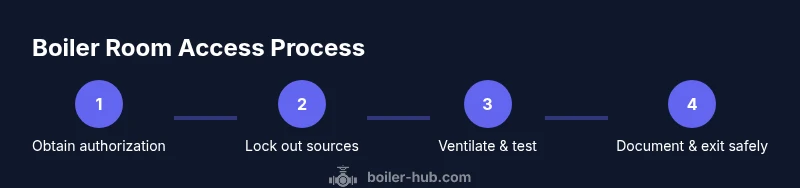
- 1
Obtain authorization and identify the Blue Prince area
Secure written approval from the property manager or facilities supervisor. Identify the exact Blue Prince zone and door location, and confirm entry timing. Review the work scope and required permits before approaching the space.
Tip: Carry authorization papers and a photo ID at all times; confirm the latest version of the work order before entry. - 2
Lock out energy sources
Identify electrical, gas, and water sources feeding the Blue Prince zone. Apply locks and tags in accordance with your company’s lockout/tagout policy. Do not bypass locks or energize equipment for any reason.
Tip: Verify all energy sources are isolated by testing with your detector before proceeding. - 3
Ventilate and verify atmosphere
Use the gas detector to check for flammable gases and ensure adequate oxygen levels. Confirm ventilation is functioning to prevent accumulation of hazardous gases during entry.
Tip: If a gas reading is outside safe limits, pause and call the supervisor; never continue without clearance. - 4
Approach the Blue Prince panel safely
If allowed, approach the control panel using insulated tools and avoid touching live components. Do not operate unfamiliar controls; refer to the maintenance log for permitted actions.
Tip: Keep a clear exit path and maintain three points of contact when near energized equipment. - 5
Document findings
Record readings, note signs of wear or leaks, and photograph observed conditions if permitted. Update the maintenance log with time stamps and personnel present.
Tip: Use a consistent worksheet format so future technicians can follow your notes. - 6
Restore systems and finalize paperwork
Remove locks and tags only after the supervisor confirms it is safe. Re-energize utilities and test system operation. Complete any required post-entry forms and notify stakeholders of outcomes.
Tip: Leave the space clean, with all tools accounted for and doors secured.
Questions & Answers
Is it legal to access a boiler room without authorization?
No. Boiler room access should only occur with written authorization from the building manager or facilities supervisor and in accordance with local regulations. Unauthorized entry can lead to safety incidents and regulatory penalties.
Access without authorization is not allowed; always get written permission first.
What is the Blue Prince in boiler room context?
Blue Prince is a designated label used here to identify a specific boiler room zone or control panel. Treat it as a high-risk area requiring proper entry permissions and safety precautions.
Blue Prince marks a special zone that needs caution and authorization before any work.
What safety gear is essential for boiler room access?
Essential PPE includes a hard hat, safety glasses, gloves, and sturdy boots. A gas detector and appropriate respiratory protection may be required depending on the space conditions.
Wear the right PPE and check for gas and ventilation before entry.
What are common signs of danger in a boiler room?
Look for gas odors, carbon monoxide alarms, steam leaks, unusual heat, or corroded piping. Any of these signs warrants stopping work and escalating to a supervisor.
Gas smells or alarms mean immediate action is needed.
What should I do if I suspect a leak or malfunction?
Evacuate if necessary, report immediately to the supervisor, and do not attempt risky repairs. Document the issue for maintenance teams to review.
If you suspect a leak, leave the area and report it right away.
How do I safely remove a lockout/tagout after work?
Only remove locks/tags after the supervisor confirms it is safe to re-energize. Then test system operation and update records.
Remove locks only when permitted and confirmed safe by supervision.
Watch Video
Key Points
- Obtain written authorization before entering any boiler room zone.
- Use proper PPE and lockout/tagout to prevent accidental energization.
- Document all findings and retain records for compliance and future maintenance.
- Never operate unfamiliar controls and always exit safely with a clear plan.