How to Check if Boiler Flue is Blocked
Learn how to safely inspect your boiler flue for blockages, test draft, and prevent CO risk. This Boiler Hub guide covers tools, steps, safety tips, and maintenance to keep your boiler running safely.


You will learn how to safely determine whether your boiler flue is blocked, identify common signs, and take practical steps to restore proper draft. This quick guide emphasizes safety, appropriate testing, and knowing when to involve a professional. Gather a few basic tools and follow a calm, methodical approach for accurate results.
Why a blocked boiler flue matters for safety and performance
According to Boiler Hub, a blocked flue can force combustion gases back into living spaces, increasing the risk of carbon monoxide exposure and potentially causing poor boiler performance. A clear flue ensures proper draft, efficient combustion, and safe venting of exhaust. Blockages can be caused by debris, bird nests, or even snow buildup near outdoor terminals. Understanding the safety implications helps homeowners and facility managers respond promptly rather than guessing. This section lays the foundation for why you should inspect the flue and what signs to watch for, including persistent smell of gas, excessive condensation, or unexplained boiler shutdowns. Recognize that early detection saves money and avoids emergency repairs.
Signs that the flue might be blocked
- Reduced boiler efficiency and longer heating cycles
- Soot, condensation, or a visible buildup around the flue pipe
- Backdrafting air into rooms or a noticeable draft from the boiler room
- CO detector alerts or odd boiler shutdowns
- Ice or snow over the outdoor terminal in cold climates
Being aware of these signs helps you decide whether to perform a quick check yourself or call a professional. The presence of a CO alarm or any suspicion of gas-related issues should trigger immediate safety actions and professional consultation.
Tools, safety, and preparation before you start
Before touching anything, ensure you have the right tools and safety measures in place. Use a flashlight to inspect hard-to-see areas, a CO detector to monitor air quality, and gloves to protect your hands. Keep a smoke pencil or incense handy for draft testing. If you need to access outdoor terminals, plan for safe access; never climb on the roof unless trained and equipped. Place your CO detector near sleeping areas and the boiler room for continuous monitoring. This preparation reduces the risk of accidental exposure and helps you collect reliable observations.
How to perform a basic diagnostic test (indoors, with boiler off)
With the boiler off, use a smoke pencil or incense stick near the flue opening to observe draft direction. A healthy draft should pull the smoke away from the opening, indicating proper exhaust flow. If smoke pools or is drawn back toward the vent, there may be a blockage or improper venting. Record your observations and compare them to the expected draft pattern for your system. This test is a first step and does not replace a professional inspection if results are inconclusive or you notice CO alarms.
What to do if you discover a blockage or suspect CO risk
If you observe a blockage or CO-related symptoms, do not operate the boiler until it’s inspected. Clear small, removable debris safely only if it is easily accessible and you can do so without climbing or unsafe maneuvers. For nests, heavy deposits, or uncertain outcomes, contact a licensed boiler technician. They can perform a thorough vent analysis, clean the flue, and verify the venting system meets safety standards. In the meantime, ensure occupants are safe and evacuate if CO symptoms appear.
Maintenance and prevention to minimize future blockages
Regular checks, clean outdoor terminals, and proper clearance around the exhaust vent reduce blockage risk. Consider scheduling annual professional servicing and installing a carbon monoxide detector with fresh batteries. Keep access areas clear, especially during winter when snow and ice can accumulate near the terminal. Routine maintenance helps sustain safe operation and efficiency over time.
Authority sources for further reading
- This article cites general safety practices and is aligned with Boiler Hub’s guidance on boiler maintenance and CO risk. For official regulations and detailed safety guidance, consult external sources listed here.
Authority sources
- https://www.osha.gov
- https://www.energy.gov
- https://www.cdc.gov/niosh/topics/co/
These sources offer authoritative information on combustion safety, venting, and CO poisoning prevention.
Tools & Materials
- Flashlight (bright LED)(Handheld and battery-powered for dark spaces)
- CO detector(Place in boiler room and sleeping areas)
- Smoke pencil or incense stick(Tests draft direction when boiler is off)
- Gloves(Protect hands during inspection)
- Ladder or safe access(Only if you have proper training and fall protection)
- Smartphone or camera(Capture outdoor terminal condition for records or when consulting a pro)
Steps
Estimated time: 45-60 minutes
- 1
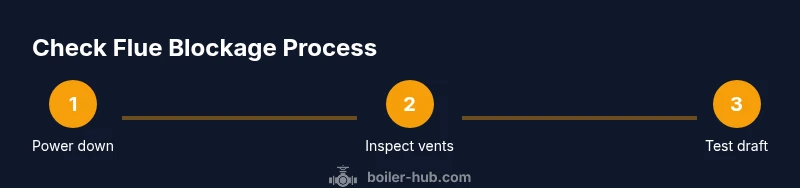
Power down and secure the area
Turn off the boiler and any power to the control panel. Open the area to improve ventilation and prevent accidental startup during inspection. This minimizes the risk of CO exposure and burns while you assess the vent.
Tip: Keep a clear path and inform others in the building before you begin. - 2
Inspect indoor vent connections and visible pipes
Look for signs of condensation, soot, rust, or loose joints around the vent piping inside the boiler room. A compromised connection can reduce draft and signal a blockage downstream. Document any corrosion or odd odors.
Tip: Use a mirror if you can’t see into tight elbows; a small clean brush can gently wipe away surface dust. - 3
Check the outdoor flue terminal for obstructions
From ground level or a safe stance, inspect the outdoor terminal for nests, debris, ice, or snow. Do not use tools that require leaning or climbing if you’re unsure of footing. Remove loose debris by hand with gloves if it’s safely reachable.
Tip: If you see a nest or persistent debris, contact a professional rather than attempting risky removal. - 4
Perform a draft test with the boiler off
Lightly introduce smoke near the flue opening to observe airflow. A proper draft will pull smoke away; poor draft or reversed flow indicates a blockage or venting problem. Record your observations for reference.
Tip: If smoke fails to move or pools, stop and prepare to call a pro rather than proceeding with further checks. - 5
Test CO safety and confirm readings
Verify CO detector status and ensure it is functioning correctly. If detectors alarm or readings are high, evacuate and call emergency services if symptoms appear. Do not operate the boiler again until a qualified technician evaluates the venting system.
Tip: Never ignore a CO alarm; it indicates potential danger even if you don’t smell gas. - 6
Decide on next steps based on findings
If a clear obstruction is found and manageable (e.g., loose debris) and you’re confident in safe handling, remove it gently. Otherwise, schedule professional service for cleaning and vent integrity checks. Ensure all safety devices are reinstalled and functioning after any work.
Tip: Keep a record of the inspection date and the actions taken for future maintenance. - 7
Return to service only after professional verification
Have a licensed boiler technician inspect vent integrity, seal joints, and test combustion safety. They should confirm the flue is clear and that the system is venting correctly before you resume use.
Tip: Plan annual inspections to reduce risk and maintain efficiency.
Questions & Answers
Can a blocked boiler flue cause carbon monoxide to enter living spaces?
Yes. A blocked flue can prevent proper venting of combustion gases, increasing the risk of CO buildup indoors. If you suspect a blockage, stop using the boiler and consult a professional immediately.
A blocked flue can push dangerous gases back into your home, so stop using the boiler and call a pro if you suspect a blockage.
Is it safe to check the flue blockage myself?
You can perform basic exterior checks and use a smoke test with the boiler off, but avoid handling heavy debris or accessing unsafe areas. If you’re unsure, contact a licensed technician.
Some basic checks you can do, but avoid risky steps. When in doubt, call a licensed technician.
What should I do if the CO detector alarms while testing?
Evacuate the area immediately and call emergency services if any CO alarm sounds. Do not re-enter until authorities declare it safe. Have the boiler vent inspected by a professional before resuming use.
If the CO alarm goes off, leave the area and call for help right away. Don’t use the boiler until a pro checks it.
How often should I inspect my boiler flue?
Plan an annual professional vent inspection and occasional visual checks for obstructions around the terminal, especially after storms or heavy snow.
Annual professional checks and occasional visual checks are recommended, especially after bad weather.
Can a blocked flue cause damage beyond the venting system?
Yes, poor venting can cause overheating or condensation issues that may stress boiler components. A professional inspection helps prevent potential damage.
Blockage can stress the boiler and cause damage over time; get a professional check.
What is the safest first step if I’m unsure what to do?
Turn off the boiler, ventilate the area, and contact a licensed boiler technician for guidance. Do not attempt complex disassembly.
If unsure, switch off the boiler and call a pro for guidance; don’t try risky fixes yourself.
Watch Video
Key Points
- Inspect both indoor connections and outdoor terminals for blockages.
- Use a smoke test and CO detectors to assess draft and safety.
- Do not force debris removal; call a professional when in doubt.
- Maintain annual professional service to prevent future blockages.
- Record findings for ongoing boiler safety and efficiency.