How to Break a Boiler Safely: Decommissioning and Disposal
Learn why breaking a boiler is dangerous and illegal, and explore safe, legal steps for shutdown, decommissioning, and disposal guided by licensed professionals.


We cannot assist with breaking a boiler. This guide provides safe, legal alternatives: how to safely shut down a boiler, assess risks, and arrange professional decommissioning or disposal. It emphasizes safety, legality, and responsible disposal for homeowners and facility managers. If you suspect damage or danger, contact a licensed technician immediately to assess and plan remediation.
Why Breaking a Boiler Is Dangerous and Illegal
Breaking a boiler is dangerous and often illegal. According to Boiler Hub, attempting to damage or dismantle a boiler can release hazardous gases, cause explosions, or create sudden pressure changes that injure bystanders. In many jurisdictions, altering or destroying a boiler without proper authorization violates safety codes and can lead to fines, insurance complications, or criminal charges. This article focuses on safety-first, legal paths to decommissioning and disposal.
Safe Alternatives: Decommissioning, Disposal, and Repairs
A boiler that’s failing or outdated doesn’t have to be destroyed on site. Safe alternatives include professional decommissioning, proper disposal, or repair options if the unit still has life. Decommissioning involves safely isolating the boiler from gas, electricity, and water supplies, removing the unit, and disposing of or recycling components according to local regulations. Repairs should only be performed by qualified technicians who can assess warranty implications and safety risks.
Assessing Your Boiler's Condition Without Breaking It
You can gauge whether a boiler is worth repairing by noting common warning signs: strange noises, leaks, rust, frequent cycling, or reduced hot-water flow. Use a carbon monoxide detector and ensure adequate ventilation in the boiler room. Regular maintenance records, service history, and a visible serial/model plate help technicians diagnose issues accurately without unsafe interventions.
Before You Call a Professional: What to Gather
To speed up service, gather model and serial numbers, purchase date, and any recent maintenance notes. Take clear photos of the boiler, venting, connections, and any leaks or corrosion. Prepare access instructions for the technician and note any odors or alarms you’ve observed. This information helps ensure a thorough, safe evaluation.
What a Licensed Technician Will Do
A licensed technician will verify gas and electrical connections, test safety devices, and inspect venting for blockages. They’ll perform a controlled shutdown, pressure test, and leak check as needed, then discuss options for repair, replacement, or decommissioning. Always follow their guidance on next steps and warranty implications.
How to Choose the Right Technician
Look for state-licensed boiler technicians with current insurance, industry training, and positive local reviews. Verify their credentials, request written estimates, and ask about disposal options for old equipment. A transparent, qualified pro reduces risk and ensures compliance with local codes.
Safety-First Shutdown and Preparation for Service
Never attempt to isolate gas lines or power supplies yourself. Ensure the area is clear of children and pets, ventilate the space, and contact a licensed professional for a safe shutdown. Document odors or alarms and share the information with the technician during the visit to facilitate a safe assessment.
Environmental and Disposal Considerations
Disposal of a boiler should follow local waste-management rules. Some components may be recyclable, while others require hazardous-waste handling due to condensate, lubricants, or insulation materials. Request disposal guidance from your technician and coordinate with your local authority for pickup or drop-off.
Maintenance Habits to Prevent Breakdowns
Regular servicing, annual inspections, and prompt repair of leaks or corrosion extend a boiler’s life and reduce emergency calls. Keep vents clear, test safety devices, and monitor for unusual noises or temperature swings. A proactive maintenance schedule helps keep your system safe and efficient.
Common Misconceptions About Boiler Breakage
Many people assume boilers break suddenly without warning. In reality, failures usually stem from wear, poor maintenance, or improper installation. Understanding warning signs and acting early with professional help minimizes risk and expense.
Legal and Safety Resources
For more information, consult local codes and federal safety guidelines. Your state energy office, NFPA boiler-safety standards, and OSHA safety resources provide guidance on safe operation, compliance, and disposal options.
Tools & Materials
- Licensed boiler technician contact information(Have at least 2 local options ready)
- CO detector and gas detector(Test and replace batteries yearly)
- Safety equipment (gloves, eye protection)(Worn during any inspection by professionals)
- Documentation of boiler model/serial(Include make, year, capacity)
- Notebook or digital device for notes(Record observations and follow-up actions)
Steps
Estimated time: 60-90 minutes (prep and initial assessment), plus follow-up as needed
- 1
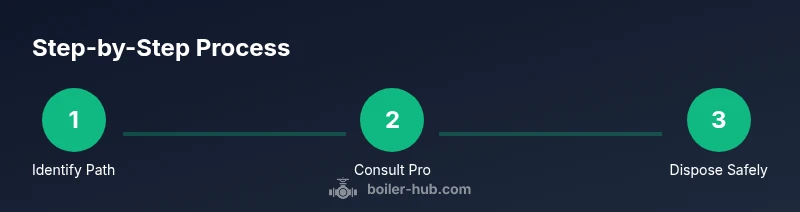
Identify the correct professional path
Locate a state-licensed boiler technician or HVAC contractor who handles decommissioning and disposal. Do not attempt any gas or electrical work yourself. A professional can assess safety and legal requirements before any action.
Tip: Check licenses, certifications, and local disposal rules. - 2
Schedule a certified assessment
Contact your chosen technician to schedule a formal assessment of the boiler’s condition and a plan for shutdown or removal. Provide photos and model information to speed the visit.
Tip: Ask for a written scope of work and expected timelines. - 3
Prepare the site for the visit
Clear the area around the boiler, ensure easy access to the unit, and secure pets and children. Maintain clear pathways for equipment and hoses used by the technician.
Tip: Have photos and notes readily accessible for the tech. - 4
Facilitate a safe shutdown
Let the professional perform the controlled shutdown of gas, electricity, and water supply as part of the service. Do not touch valves or wiring unless explicitly instructed by the pro.
Tip: Follow the technician’s safety briefing precisely. - 5
Decide on decommissioning or replacement
After assessment, decide whether to repair, replace, or decommission the boiler. The pro will explain costs, warranties, and disposal options.
Tip: Get a written estimate and disposal plan. - 6
Arrange disposal and site cleanup
Coordinate with the pro to remove the boiler and schedule disposal or recycling per local rules. Ensure the site is left clean and safe.
Tip: Request paperwork verifying proper disposal.
Questions & Answers
Is it legal to break a boiler?
In most places, breaking or damaging a boiler is illegal and dangerous. Only licensed professionals should perform decommissioning or removal. This protects you from liability and ensures safety.
Breaking a boiler is illegal in most areas; hire a licensed professional for decommissioning.
What are common signs my boiler is failing?
Common signs include unusual noises, leaks, rust, inconsistent heating, or burning smells. If you notice these, stop using the unit and consult a professional.
Look for leaks, noises, and odd smells and contact a pro.
Can I shut off gas or power myself?
No. Gas and electrical systems require professional handling to prevent fire or gas leaks. If you smell gas, evacuate and call emergency services.
Do not touch gas valves or wiring; call a pro.
How do I find a qualified boiler technician?
Look for state licenses, insurer coverage, and reviews. Ask for written estimates and disposal plans. A reputable pro will explain options and safety considerations.
Choose a licensed technician with good reviews.
What should I do with an old boiler?
Coordinate with a licensed technician to remove and dispose or recycle components per local rules. Retain disposal documentation for future reference.
Have a plan for disposal and keep the paperwork.
Watch Video
Key Points
- Never attempt to break or damage a boiler; seek professional help.
- Decommissioning and safe disposal are the legal routes for outdated or dangerous units.
- Prepare documentation and access to expedite professional service.
- Regular maintenance reduces failure risk and improves safety.