Can You Use a Combi Boiler When Water Is Off? A Practical Guide
Discover whether a combi boiler can operate without a water supply, what happens during a water outage, and step-by-step safety and restoration tips to protect your heating and hot water.


No. A combi boiler relies on a continuous mains water supply to heat water on demand. When the water is off, the boiler cannot ignite or deliver hot water or heat, and attempting to run it can trigger safety protections or cause damage. If you suspect an outage, turn off the boiler, check the water supply, and contact your utility for restoration instructions.
Why water supply matters for combi boilers
A combi boiler heats water on demand by drawing it directly from the mains when you open a hot tap or set the heating. Because there is no storage tank, these systems require a consistent flow and adequate pressure from the local water supply. If the water is off, there is no water that the boiler can heat, and the unit cannot deliver domestic hot water or space heating. This isn’t just inconvenient—it’s a fundamental limitation of how a combi system works. The Boiler Hub team notes that reliable water pressure is a prerequisite for safe and effective operation. If you notice a water outage, treat the boiler as offline and focus on restoring the supply before attempting to use the heating or hot water.
What to expect during an outage
When water stops at the mains, internal sensors in most modern combi boilers detect reduced pressure or no flow. In response, the burner typically won’t light and the boiler may display fault codes or shut down automatically. Trying to force the boiler to run without water can trigger airlocks, overheating protection, or valve faults. This section explains why outages interrupt service and what signs to watch for once power is restored. You’ll learn how to differentiate a temporary pressure dip from a full outage and how to plan for safe reoperation once water returns.
Interim safety steps during a water outage
First, avoid attempting to heat or run hot water if you know the water supply is compromised. If you can access the main shut-off for the home, locate and note its position so you can close it if you detect leaks or a surge when the water returns. Keep electrical devices away from damp areas and ensure the boiler’s front panel is not disturbed by unauthorized personnel. If your home is without water for an extended period, prepare for a slow but safe restoration by ensuring you have a plan for preserving pipe integrity and reducing the risk of air locks once the supply is back on.
Restoring supply and reactivating the system after water returns
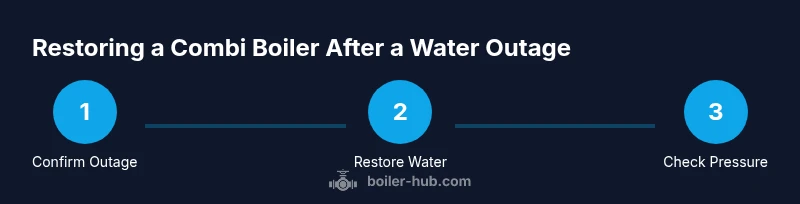
When water is restored, do not immediately turn the boiler back on at full demand. First, inspect the main pressure and ensure it’s within the boiler’s recommended range (usually around 1–1.5 bar when cold). Slowly reintroduce hot water flow by running a cold tap first, then observe the boiler’s indicators as it re-ignites. If you hear unusual noises, suspect a leak, or see a prominent drop in pressure, switch off and call a qualified technician. The goal is to avoid air entering the system and to prevent pressure spikes that could damage fittings or the heat exchanger.
How to verify proper water flow after restoration
With water flowing, monitor the boiler as it starts producing hot water. Check that a steady hot stream emerges from taps and that radiators begin to heat evenly. If hot water is delayed or temperatures fluctuate, there could be air pockets or a partially blocked supply. Bleed radiators if you notice cold spots, and recheck the pressure after bleeding. If the pressure fails to stabilise at the correct level, or if fault codes reappear, arrange a service visit. Consistent testing helps catch issues before they escalate.
Alternatives to heat during a water outage
If you need warmth or hot water during an outage, consider temporary alternatives like electric space heaters or portable electric water heaters (where appropriate and safe). These options are not substitutes for a boiler in terms of efficiency or continuous supply, but they can provide short-term comfort while you wait for the mains to be restored. Never attempt to bypass the boiler’s safety features or rig improvised heating solutions that involve gas or unvented devices. Safety should come first, especially in homes with children or pets.
Routine maintenance that reduces outage risk
Regular maintenance helps prevent unexpected outages. Schedule annual boiler servicing and ensure the pressure relief valve, expansion vessel, and heat exchanger are in good condition. A professional service can identify worn seals, clogged filters, or pressure anomalies that might worsen during a water outage. By keeping the system in peak condition, you minimise the chance that an outage will lead to longer downtime or expensive repairs.
What this means for homeowners and facility managers
For homeowners and facility managers, the practical takeaway is to treat water outages as system constraints rather than solvable by ad hoc tweaks. A combi boiler cannot operate without a water supply, so prioritising water restoration and safe reactivation protocols protects both comfort and equipment. Use this guidance to plan for outages, communicate with tenants or occupants, and schedule pro advice when needed. Boiler Hub’s guidance emphasizes safety, proper diagnosis, and cautious restoration as the path to reliable performance.
Tools & Materials
- Main water shut-off valve(Know location and how to operate safely; essential for emergencies and leaks)
- Wrench or pliers(For adjusting stop valves if needed; ensures a controlled shutoff)
- Flashlight(Keep area well-lit when inspecting plumbing or valve areas)
- Towels or small containers(Catch drips and prevent spills during restoration checks)
- Leak-detection solution or soap(Helps identify slow leaks around valves and joints)
Steps
Estimated time: 45-60 minutes
- 1
Confirm water outage and identify cause
Locate the main water shut-off and verify that the entire property is affected. If possible, contact your water utility to confirm an outage and an estimated restoration time. This ensures you aren’t wasting time attempting to operate the boiler when water isn’t available.
Tip: Document any outage details; timing helps plan reactivation and avoids unnecessary resets. - 2
Power down the boiler safely
If you know water is off, switch off the boiler at the programmer or the boiler itself and turn off the electrical supply to the unit. This reduces the risk of dry-firing the burner or damaging sensors when water resumes.
Tip: Do not attempt to heat dry pipes; this can cause overheating and warning codes. - 3
Check for obvious leaks and shutoffs
Inspect visible pipes and valves around the boiler and under sinks for signs of leaks. If you detect a leak, close the nearest shut-off valve and avoid disturbing the area. If leaks are present, contact a plumber immediately.
Tip: Use towels to keep the area dry and prevent slips while you inspect. - 4
Restore water only when utility confirms
When the water supply is confirmed to be restored, slowly open the main shut-off valve to allow water to fill pipes gradually. Do not force full pressure at once; a controlled approach reduces air entry and pressure shocks in the system.
Tip: Open gradually and listen for coughing or banging sounds that indicate trapped air. - 5
Check boiler pressure and safe start
With water returning, check the boiler pressure gauge; aim for the typical cold-range (often around 1–1.5 bar). If pressure is too low, top up slowly using the filling loop per your boiler’s manual. If the gauge shows abnormally high pressure, switch off and call a technician.
Tip: Never force the pressure above the recommended range; high pressure can damage seals. - 6
Bleed radiators to remove air
If radiators feel cool at the top or make gurgling sounds, bleed them starting with the highest radiators. Use a radiator key and a cloth to catch water. Recheck pressure after bleeding and top up if needed.
Tip: Bleed in a sequence and keep towels handy for spills. - 7
Test hot water and heating
Turn on hot water and heating gradually to test for stable operation. Observe for typical temperature and flow; check for any error codes on the boiler display. If anything unusual occurs, switch off and call a service technician.
Tip: If hot water is slow to appear, it may indicate line purge needs or air pockets. - 8
Schedule professional service
Even if the system seems normal, schedule a boiler service to verify that safety devices, circulation, and heat exchange are functioning correctly after an outage. Regular maintenance reduces future outages and improves efficiency.
Tip: Keep a service history; it helps with warranties and future troubleshooting.
Questions & Answers
Can a combi boiler operate without mains water?
No. A combi boiler cannot heat water or provide heating without a live mains water supply. The system relies on water flow to transfer heat and to trigger safe operation. Attempting to run it without water can trigger safety protections or cause damage.
No, a combi boiler won’t operate without mains water. It needs a live supply to heat and circulate water safely.
What should I do first if I suspect a water outage?
Check with your water utility or building manager to confirm an outage and estimated restoration time. If needed, locate and prepare to operate the main shut-off valve to stop leaks and protect the system.
Check with your utility to confirm the outage and locate your shut-off valve in case you need to act.
Is it risky to power the boiler during an outage?
Yes. Powering the boiler when there is no water can cause the heat exchanger to overheat or other safety faults. Always switch off and wait for water restoration before reactivating.
Yes—don’t power the boiler without water; wait for restoration before turning it back on.
How long does it typically take for water to return after an outage?
Restoration times vary by utility and location. Plan for a gradual return and verify water pressure before reactivating the boiler.
Return times vary; be patient and check pressure before turning the boiler back on.
What safe alternatives exist during a water outage?
Electric heaters can provide temporary warmth, and electric portable water heaters can supply hot water where safe. Do not use gas heaters indoors without proper ventilation.
Consider electric heaters for space and safe portable electric water heaters if available.
When should I call a professional after a water outage?
Call a professional if you notice persistent pressure drops, leaks, unusual boiler noises, or if fault codes reappear after restoration. An annual service is also recommended.
Call a professional if issues persist after restoration or codes reappear.
Watch Video
Key Points
- Combi boilers require a live water supply to operate.
- Do not run the boiler during a water outage to avoid damage and safety risks.
- Restore water gradually and re-check pressure before reactivating heating.
- Bleed radiators and verify hot water return after water resumes.