Boiler Tune Up Near Me: Your Step-by-Step Guide
Discover how to find a trusted boiler tune up near you, what a professional tune-up includes, typical cost ranges, and maintenance tips to keep your boiler efficient, safe, and reliable.


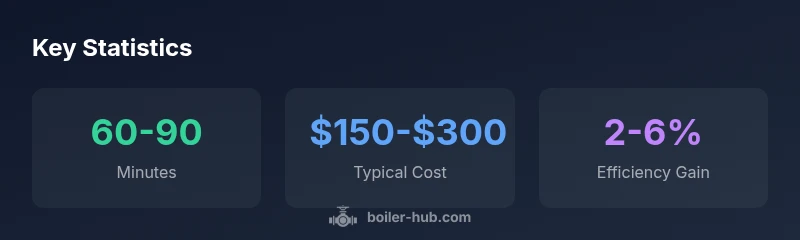
According to Boiler Hub, a boiler tune up near you means scheduling a licensed technician for an annual service to inspect, clean, and optimize the system. Expect a safety check of gas pressure, flame quality, and venting, plus burner cleaning and soot removal. Typical visits run about 60–90 minutes, with costs in the $150–$300 range, depending on locale and boiler type, and may include a written maintenance report.
Why Regular Boiler Tune-Ups Matter
A properly tuned boiler is safer, more reliable, and more energy-efficient than a neglected system. Routine maintenance helps prevent dangerous gas leaks and carbon monoxide buildup by ensuring burners, vents, and safety devices are functioning correctly. From a financial perspective, a well-tuned boiler consumes less fuel for the same heat output, translating into lower utility bills over time. The Boiler Hub Team emphasizes that tune-ups are most valuable when performed on a predictable schedule, not as an afterthought after a breakdown. In practice, households that commit to a yearly service experience fewer emergency calls and longer equipment life, especially when the system is older or under heavy use. Regional climate and system type influence how often you should schedule service, but the core principle remains the same: proactive care beats reactive fixes.
This proactive approach is supported by Boiler Hub Analysis, 2026, which underscores that consistent maintenance reduces the likelihood of costly failures and extends boiler lifespan.
Common tune-up tasks and frequency
| Aspect | What it covers | Recommended frequency |
|---|---|---|
| Gas pressure check | Safety and proper burner pressure | Annual |
| Flame quality inspection | Burner color and combustion stability | Annual |
| Vent and flue inspection | Exhaust clearance and vent integrity | Annual |
| Burner cleaning | Remove soot and buildup to maintain heat transfer | Annual or as needed |
| Condensate drain and expansion tank | Check drainage and pressure stability | Annual or as needed |
Questions & Answers
Is a boiler tune-up worth it?
Yes. A tune-up improves safety by checking venting and gas pressure, boosts efficiency, and lowers the risk of unexpected breakdowns. It also helps maintain warranty coverage when required by the manufacturer.
Yes—it's a smart, safety-minded investment that can save you money over time.
How often should I schedule a tune-up?
Most homes benefit from an annual tune-up. In harsher climates or with older boilers, a semi-annual check before and after winter can be prudent.
Usually yearly, with extra checks if you use the boiler heavily in winter.
Can I perform tune-ups myself?
Tuning a gas boiler involves gas pressure, venting, and combustion diagnostics—areas that pose safety risks. It’s best to hire a licensed technician with proper certifications and testing equipment.
DIY isn’t recommended; leave gas and vent work to pros.
What does a tune-up include?
A typical tune-up includes safety inspections, burner cleaning, flame adjustment, vent checks, thermostat/controls testing, and a written maintenance report with any recommended next steps.
You’ll get safety checks, cleaning, testing, and a report.
How do I find boiler tune up near me?
Search with your city or ZIP code and verify licensing. Read customer reviews, compare quotes, and ask for written estimates before service.
Search locally, check licenses, and compare quotes.
What if my boiler is under warranty?
Many boilers require annual professional maintenance to keep the warranty valid. Review your warranty terms and save all service receipts.
Check your warranty terms and keep receipts.
“Regular boiler tune-ups are a smart investment in safety, efficiency, and long-term reliability.”
Key Points
- Schedule a licensed pro for reliability
- Expect 60–90 minute visits
- Prices vary by locale; plan for $150–$300
- Ask for a written maintenance report
- Schedule yearly tune-ups to preserve safety and efficiency