Annual Boiler Service Near Me: A Step-by-Step Guide
Find trusted technicians for your annual boiler service near you. Learn what to expect, how to prepare, and safety tips to keep your system running safely and efficiently.


This guide helps you locate a reputable professional for an annual boiler service near me, understand what a proper service should cover, and prepare your home for safe, efficient heating. You’ll learn how to compare quotes, verify licenses, and evaluate the service report to plan ongoing maintenance.
Why annual boiler service near me matters for safety and efficiency
An annual boiler service near me is a proactive maintenance task that keeps your heating system operating safely and efficiently. Regular service helps detect wear, leaks, and faulty components before they fail, reducing the risk of dangerous conditions like carbon monoxide exposure and gas leaks. According to Boiler Hub, homeowners who schedule an annual boiler service near me experience fewer unexpected breakdowns and safer operation. In this guide, we’ll walk through how to find a trusted technician, what the service includes, and how to prepare your home for service. A properly serviced boiler runs more reliably during peak demand, and a well-tuned system uses less fuel, lowering energy waste over time. By investing in routine maintenance, you protect your family and extend the life of your boiler. This is especially important for older models or boilers that serve multi-family homes or commercial spaces, where reliability matters as much as comfort.
How to find a trusted technician near you
Finding a qualified, trustworthy professional for an annual boiler service near me starts with checks of licensing, insurance, and experience. Start with reputable local heating companies or national providers who list their gas-safe credentials, service records, and warranty terms. Read independent reviews and ask for references from previous customers. Request written quotes that itemize labor, parts, and any potential upcharges. When you narrow the field, contact two to three providers to compare approaches and scheduling availability. During conversations, confirm that the technician will perform a complete combustion analysis, safety checks, and a thorough inspection of the boiler and venting system. For homeowners, it helps to ask about service frequency options, emergency coverage, and how follow-up issues are handled. The Boiler Hub team suggests prioritizing licensed professionals who show transparent pricing and a clear scope of work. By choosing the right partner, you gain ongoing support and a clear maintenance plan that aligns with your heating needs.
What a typical annual service includes
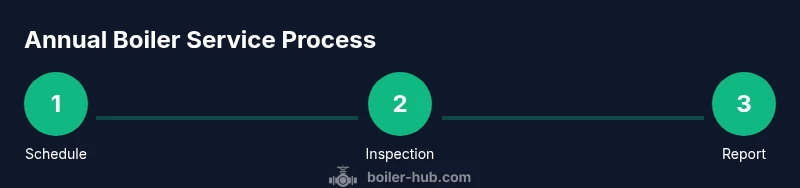
A standard annual boiler service near me covers several core tasks designed to verify safety, efficiency, and reliability. Expect a visual inspection of the boiler and flue, testing of all safety controls, and a combustion analysis to ensure optimal fuel use. The technician will inspect seals and gaskets for leaks, check the burner, and examine the heat exchanger for corrosion. They should also verify boiler pressure, operating temperatures, and system controls, including the thermostat compatibility. Cleaning the burner and condensate trap, clearing blocked vents, and resealing the access panel are common steps. Finally, you’ll receive a written report detailing findings, any recommended repairs or part replacements, and a maintenance plan for the coming year. If your system is older or showing warning signs, the service may identify upgrade options to boost efficiency or safety.
Safety checks and gas safety basics
Safety is the foremost concern in any annual boiler service near me. The technician will conduct a gas safety check to confirm there are no leaks, assess flue integrity, and verify proper ventilation. A working carbon monoxide detector is essential in every space that houses a boiler; ensure new batteries and test monthly. The service should include a thorough combustion analysis, which compares actual flue gas readings with manufacturer specifications to detect incomplete combustion or venting problems. If a fault is found, the technician will explain how it affects safety, energy use, and reliability, and will provide clear recommendations for repair or replacement. Never bypass safety tests or attempt to adjust gas pressures yourself—this requires a licensed professional with the right diagnostic tools.
How to prepare your boiler area for service
Preparing ahead for the visit helps the technician work efficiently and safely. Clear access to the boiler cabinet and surrounding space, remove clutter, and ensure pets and children are out of the area during the appointment. Have the main gas and power supplies accessible only to the licensed technician, and provide the model number and any previous service records. If you have a smart thermostat or zone controls, note any recent changes or issues you’ve observed. It’s also helpful to make a list of any symptoms, such as unusual noises, cold spots, or fluctuating pressure, to discuss during the service. By coordinating access and information, you minimize delays and ensure a comprehensive inspection.
Common issues found during service and next steps
During an annual boiler service near me, common issues include worn seals or gaskets, incomplete combustion, build-up in the heat exchanger, and venting blockages. If a problem is detected, expect a recommended plan that may involve minor repairs, parts replacement, or, in some cases, a more extensive evaluation of safety components. The technician will discuss the urgency and cost implications of each option and help you decide whether to proceed immediately or schedule follow-up work. For CO-related concerns or persistent leaks, treat the situation as urgent and contact your provider or emergency services if there is any odor of gas. A thorough service minimizes the risk of costly outages and keeps your heating system safer over time.
Maintenance habits between annual services
Between scheduled visits, practicing simple maintenance can extend boiler life and maintain efficiency. Bleed radiators to remove trapped air, check boiler pressure (noting any consistent changes), and keep the area tidy to prevent dust buildup. Regularly replace or clean low-cost components like filters if your boiler model uses them, and update any clock or programming settings on smart controls to reflect seasonal needs. Monitor for warning lights or error codes and address them promptly by contacting your service provider. Keeping a maintenance log with dates and any observed symptoms can help your technician tailor future service visits more effectively.
What to expect from the service report and follow-up
After the visit, you should receive a detailed service report outlining the checks performed, readings taken, any anomalies found, and recommended next steps. The report should include safety certifications and the technician’s contact information for follow-up questions. If maintenance or repairs are advised, ask for a written estimate with parts and labor, and discuss timing and warranty coverage. Schedule the next annual service in your calendar or set up reminders through your provider’s system. A good service plan translates into fewer emergency calls and more predictable heating costs, especially during peak use periods.
How to choose a maintenance plan and optimize ongoing costs
A proactive maintenance approach combines regular professional services with simple at-home practices to maximize boiler life and minimize downtime. Look for a maintenance plan that includes priority scheduling, annual or semi-annual checkups, and transparent pricing. Consider bundling with other home services for potential savings and ensure the plan covers essential components like the burner, heat exchanger, and venting system. By aligning with Boiler Hub-provided guidance and reputable local technicians, you can secure dependable heating while avoiding unexpected repair bills.
Tools & Materials
- Gas-safe engineer license/certification(Essential for legal and safe service; verify current status)
- Owner's manual(Helpful for model-specific settings and troubleshooting notes)
- Wrench set (adjustable, 8-19 mm)(Used for service panel access and component checks)
- Multimeter or combustion analyzer(For electrical checks and accurate combustion readings)
- Flue gas analyzer(Measures CO2, O2, and CO levels for efficiency and safety)
- Pressure gauge(Checks boiler and system pressures during service)
- Flashlight(Illuminates dark areas inside the boiler room and cabinet)
- Safety glasses and gloves(Personal protective gear for safe handling)
- Rags and cleaning supplies(Used to clean components and wipe spills)
Steps
Estimated time: 90-120 minutes
- 1
Verify appointment and access
Confirm the scheduled time and ensure clear access to the boiler room. The technician should verify identity and explain the planned checks before beginning.
Tip: Prepare a written list of observed issues to discuss during the visit. - 2
Shut off power and gas safely
The technician will safely isolate electricity and gas to the boiler area as required, ensuring all tests can be performed without risk.
Tip: Do not attempt to override safety devices; rely on the licensed professional. - 3
Inspect exterior, seals, and controls
A visual inspection checks for corrosion, worn seals, and mounting integrity of the boiler and venting system.
Tip: Note any unusual noises or vibrations for later discussion. - 4
Perform combustion analysis
Using a combustion analyzer, measure flue gases to verify efficient burning and safe emissions.
Tip: Request the live readings and a brief explanation of what they mean. - 5
Check safety devices and venting
Test safety switches, carbon monoxide detector integration, and vent fluency to prevent backdrafts or leaks.
Tip: If a detector alarms, address it immediately or schedule urgent follow-up. - 6
Clean, adjust, and reseal
Clean burners and condensate traps, adjust gas/air mix as needed, and reseal access panels.
Tip: Avoid touching internal parts beyond your comfort level; defer to the pro for adjustments. - 7
Document findings and recommendations
Receive a written report summarizing tests, readings, and any recommended repairs or replacements.
Tip: Ask for a clear cost estimate and warranty terms for recommended work. - 8
Plan next steps and maintenance
Schedule the next service, establish a maintenance plan, and set reminders for future dates.
Tip: Keep a simple maintenance log for quick reference during future visits.
Questions & Answers
Do I need to be present during the service?
It is typically beneficial to be present or reachable, but not always required. If you cannot attend, arrange a suitable time for the technician to access the boiler area and to review findings with you afterward.
Being available to discuss findings after the service is helpful, but it isn’t always required if you’ve arranged for a summary call or written report.
What if a problem is found during service?
If issues are detected, the technician will explain urgency, safety implications, and options. You’ll receive an estimate for repairs and a plan for when to perform them.
If problems are found, you’ll get clear explanations and a repair plan with costs and timing.
How long does an annual boiler service take?
Most services take about 60 to 120 minutes depending on boiler type and accessibility. Complex issues can extend the time, and the technician will update you if more time is needed.
Around an hour to two hours, depending on the system and any needed checks.
Can I service the boiler myself?
No. Boiler servicing involves gas safety, combustion analysis, and venting checks that require licensing and specialized equipment. DIY attempts can be dangerous and illegal in many regions.
No—gas boilers require licensed professionals with proper tools and certifications.
How often should I replace parts after service?
Replacement timing depends on wear, usage, and component quality. The service report will specify which parts should be monitored or replaced and a recommended timeframe.
Follow the service report for part replacements and plan follow-ups as advised.
Will a boiler service reduce energy costs?
Yes, a properly adjusted boiler runs more efficiently, which can lower energy usage and reduce bills over time. The exact impact depends on your system and usage patterns.
A well-tuned boiler uses energy more efficiently, which can lower your bills.
Watch Video
Key Points
- Schedule annual boiler service near me to maintain safety and efficiency.
- Choose licensed technicians with transparent quotes and clear scope.
- Expect a full safety check, combustion analysis, and a detailed report.
- Prepare the boiler area and note symptoms to aid diagnosis.
- Maintain a simple maintenance log to guide future visits.