Boiler Drain Valve 3 4: Selection, Installation & Maintenance
A detailed look at the boiler drain valve 3 4 (3/4 inch): how to choose, install, and maintain it for safe, efficient boiler drainage. Learn sizing, compatibility, and best practices from Boiler Hub.


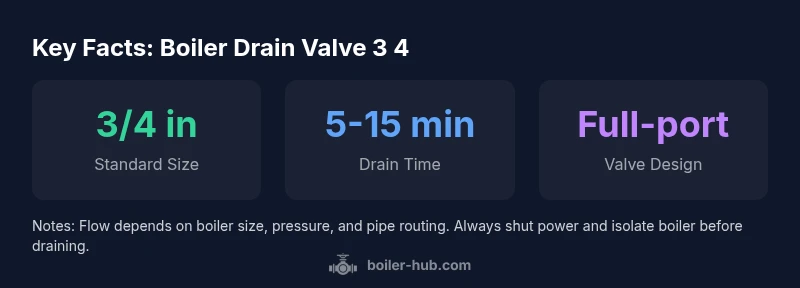
The boiler drain valve 3 4 (commonly written as 3/4 inch) is the standard size for many residential boilers, offering a practical balance between drainage speed and reliability during maintenance. Choosing a full-port design improves sediment flushing and sealing. Ensure thread compatibility with your piping and shutoff valves for a clean, leak-free service.
Why the 3/4-inch drain valve is a common choice
In residential heating systems, the drain valve size matters for both speed and reliability. The boiler drain valve 3 4 is the standard connection for many boilers because it provides a good balance between draining efficiency and compatibility with common piping. Replacements, fittings, and isolation valves are readily available in this size, which reduces downtime during maintenance. A 3/4-inch valve is typically rated for standard boiler pressures found in homes, and it suits typical copper or steel drain lines. When selecting a valve, look for a full-port design, which minimizes flow restrictions and helps flush sediment from the system. Mind that some older installations may use different thread types; always verify whether your system uses NPT or BSP threads and match accordingly. In summary, the boiler drain valve 3 4 size is widely adopted because it’s easier to source, easier to install, and sufficiently robust for routine maintenance tasks like flushing and draining a boiler.
Valve types commonly used for boiler drains
The drain valve is usually one of three basic types: ball valves, globe valves, and gate valves. Each offers different combinations of speed, control, and seal reliability. Ball valves (3/4 in) provide quick shutoff with minimal flow resistance when fully open. Globe valves (3/4 in) offer finer throttling control, which can be beneficial for slow draining or balancing flow during maintenance. Gate valves (3/4 in) are simple and inexpensive, but can be harder to seal perfectly after repeated cycling. For boiler work, most homeowners and technicians prefer a 3/4 in full-port ball valve for routine draining because it’s reliable and easy to seal. Ensure the valve has brass or bronze construction for durability in hot-water environments.
Compatibility and thread standards
Drain valves for boilers commonly use 3/4 inch nominal connections, often with NPT threads. Matching the thread type is essential to prevent leaks. If your boiler features female ports, you may need male adapters or unions. Check the valve’s thread pitch and ensure that the sealant material (PTFE tape or pipe dope) is appropriate for hot water service. In many homes, standard 3/4 in valve bodies are compatible with copper or steel piping, but always confirm with the boiler manufacturer’s documentation. A well-chosen 3/4 valve should also permit straightforward replacement: look for standard handwheel or lever handles that are easy to operate while wearing boiler-room gloves.
Installation basics for a 3/4 inch drain valve
Before starting, turn off the boiler and allow the system to cool. Close any upstream shutoff valves and place a pan beneath the drain to catch any residual water. Remove the old valve if present, keeping the threads clean. Apply PTFE tape to the male threads or use a pipe joint compound rated for hot water. Thread the new drain valve carefully by hand, then snug it with a wrench—do not overtighten. Connect the drain line and ensure the line is not blocked. Slowly open the valve to purge air, then close and test for leaks around the threads and body. If your setup includes a feeding pump or pressure-reducing valve, be sure to vent air according to the manufacturer’s guidelines.
Maintenance and inspection routines
Plan a simple inspection schedule twice a year: check the drain valve for corrosion or leaks, verify the seal is intact, and ensure the handle moves freely. Replace gaskets as needed and re-seal with fresh PTFE tape on reassembly. Keep the surrounding area clean to prevent sediment from entering the valve. If you notice water dripping after shutdown, replace the valve promptly to prevent longer-term leaks. Documentation of maintenance events helps track wear and plan replacements before failures occur.
Draining and flushing the boiler with a 3/4 valve
Flushing helps remove mineral buildup and improves efficiency. Begin by isolating the boiler and attaching the drain hose to the drain valve. Open the valve slowly to allow water to exit into a drain or bucket, watching for sediment discharge. To flush effectively, you may need to repeat the cycle a few times, sometimes elevating the process by briefly purging with cold water to dislodge settled sediment. After flushing, re-fill the boiler slowly and bleed any trapped air. Monitor the pressure gauge to ensure it returns to the normal operating range. Always follow the manufacturer’s flush procedure if provided; if unsure, consult a professional from Boiler Hub.
Common mistakes to avoid
Common mistakes include forcing the valve or overtightening, which can damage threads or seals; using the wrong thread type or failing to seat the gasket correctly; skipping the cool-down period; failing to vent air after draining; and overlooking downstream drainage restrictions that trap water. Addressing these issues promptly can prevent leaks and ensure a clean, safe drainage process.
Safety considerations and best practices
Drain work should be performed with the boiler at a safe temperature and pressure. Wear eye protection and gloves, and keep children and pets away from the work area. If you smell gas or hear unusual sounds while draining, stop and contact a licensed professional. Maintain a clear work zone around the drain valve and keep replacement gaskets handy. The boiler drain valve 3 4 is a robust, standard-size component, but proper installation and regular maintenance are essential for safety and reliability.
Common 3/4 in boiler drain valve types
| Valve Type | Pros | Cons |
|---|---|---|
| Ball Valve (3/4 in) | Quick shutoff; reliable seal | Requires regular maintenance to prevent leaks |
| Globe Valve (3/4 in) | Fine throttling control; good for precise draining | More flow resistance; slower drain |
| Gate Valve (3/4 in) | Simple design; low cost | Sealing can be less reliable under high pressure |
Questions & Answers
What does the '3 4' label mean on a boiler drain valve?
The term '3 4' refers to the nominal thread size, commonly written as 3/4 in. It’s the standard size for many residential boiler drains.
A 3/4-inch drain valve is the standard size for many residential boilers, which helps with effective draining and maintenance.
Can I replace a boiler drain valve myself?
Yes, with basic tools and careful procedure. Always shut off power, drain a portion of the system, and use proper sealing compounds to prevent leaks.
You can replace it yourself if you’re comfortable with basic plumbing and follow safety steps closely.
Is a 3/4 inch valve enough for flushing a typical boiler?
For many residential boilers, a 3/4 inch valve is sufficient for routine flushing. Larger boilers may need additional drains or higher-capacity valves.
In most homes, a 3/4 inch valve works for flushing, but consult your boiler’s specs for confirmation.
What maintenance does a boiler drain valve require?
Regularly inspect for leaks, corrosion, and seal integrity. Replace gaskets as needed and re-seal threads with PTFE tape during reinstallation.
Inspect for leaks and wear, and reseal threads if you disassemble it.
What are signs of a failing boiler drain valve?
Drips, wet spots around the valve, difficulty closing, or increased leakage after maintenance indicate replacement is needed.
If you see leaks or the valve won’t seal, replace it promptly.
Are there code requirements for boiler drain valves?
Code requirements vary by jurisdiction. Generally, proper valve sizing, secure mounting, and safe drainage pathways are emphasized in safety codes.
Codes differ by area; check local regulations and consult a pro if unsure.
“For long-term reliability, select a compatible, corrosion-resistant valve and perform regular maintenance.”
Key Points
- Verify valve size matches boiler threads (3 4) before purchase
- Prefer full-port designs for maximum drainage
- Isolate the boiler before servicing to avoid leaks
- Keep spares and use PTFE tape for reliable seals