Boiler Drain: Diagnosis, Clearing and Maintenance Essentials
Learn how to diagnose and safely clear a boiler drain, prevent pressure buildup, and implement maintenance steps to keep your boiler running smoothly. This educational how-to covers safety, tools, step-by-step actions, and prevention tips for homeowners and facility managers.


Using this guide, you will diagnose and safely clear a boiler drain clog, restore normal drainage, and prevent pressure buildup that can damage components. You'll need basic safety gear, a few common hand tools, a bucket or tray, and access to your boiler’s drain valve. Follow the steps, checklists, and cautions to complete the task confidently or know when to call a professional.
What is a boiler drain and why it matters
A boiler drain is a small service valve used to remove water from the boiler system for maintenance, flushing, or pressure relief. A clogged drain or a blocked discharge path can cause reduced efficiency, trapped sludge, and pressure buildup that stresses heat exchangers. For homeowners and facility managers, understanding the drain's role helps prevent costly failures. According to Boiler Hub, regular awareness of drain health is an essential part of boiler maintenance. By keeping this valve clean and accessible, you reduce the risk of leaks and system-air lock, which can cause cold spots or uneven heating in the system. This section explains the drain’s purpose, how it interacts with the expansion vessel, and why neglect can escalate into expensive repairs.
Common causes of boiler drain clogs and how they form
Clogs in boiler drains are typically driven by mineral scale, sludge from corroded metal and rust, and debris that travels through the system during operation. Poor water quality and infrequent maintenance accelerate buildup, narrowing the drain passage and increasing backpressure. Boiler Hub analysis shows that a proactive approach—flushing on a schedule, using proper filtration, and addressing leaks early—helps minimize disruption. Understanding the physical signs of buildup, such as reduced flow when opening the drain and sluggish drainage, empowers you to act before a full blockage occurs.
Safety prerequisites before you start any maintenance
Before touching any boiler components, ensure you have the proper permissions and follow lockout/tagout procedures as required by local codes. Wear eye protection, gloves, and durable clothing. Keep a bucket or tray ready to catch water, and have a flashlight to inspect valve seats and discharge paths. If you smell gas, hear hissing or suspect a gas leak, exit the area and call your utility or a certified technician. Safety should always come first when working on pressurized systems.
Tools, materials, and parts you might need
- Adjustable wrench and locking pliers (essential)
- Screwdrivers (flat and Phillips)
- Bucket or drain pan (essential)
- Towels or rags (essential)
- Safety glasses and gloves (essential)
- Flashlight (essential)
- Drain snake or flexible auger (optional but helpful)
- Plumber’s tape and spare drain washers (optional)
- Mild cleaning solution for external surfaces (optional)
Diagnosing symptoms of a clogged boiler drain
Look for signs such as slow drainage, the presence of air bubbles in the discharge, or unexpected water leakage around the drain valve. A clogged drain can contribute to higher system pressure or uneven boiler temperature distribution. If you notice water pooling near the drain or frequent shutoffs needed to release trapped air, investigate the drain path, valve seats, and discharge lines. Regular observation helps you catch problems before they cause more serious issues. The guidance here aligns with the practical approach recommended by Boiler Hub to monitor drain performance as part of routine maintenance.
Preparing the area and system for maintenance
Clear the workspace of clutter and ensure you have a stable, well-lit area. Shut off power to the boiler if safe to do so, and close the supply valve to isolate the boiler loop when possible. Place a bucket under the drain to catch water, and have towels ready for spills. If your boiler uses a pressurized expansion tank, consult the manufacturer’s guidelines for any required depressurization steps. Proper preparation reduces the risk of overflow and makes the process smoother.
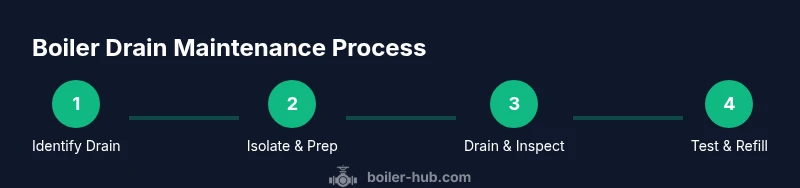
Quick-checklist: high-level steps to clear a boiler drain
- Identify the correct drain valve and valve type (compression, ball valve, or gate valve)
- Ensure power is off and the system is isolated from the main supply
- Place a tray or bucket, then open the drain valve slowly to observe the flow
- Use a brush and mild cleaner to remove exterior buildup around the valve seat
- If flow is weak, attempt gentle flushing with clean water or use a drain snake
- Inspect for leaks after reassembly and re-pressurize the system per manufacturer guidance
- Refill the system and test for proper operation and heat delivery
- Document any recurring issues for future maintenance
Post-maintenance checks and leak prevention
After clearing the drain, slowly refill the boiler and monitor the discharge rate to ensure it remains steady. Check for drips at the valve, seals, and adjacent piping. If leaks appear, tighten connections carefully or replace worn washers. Schedule a periodic flush based on water quality and system usage. Keeping the drain clean and the surrounding area dry helps prevent future clogs and protects other components from corrosion.
Long-term maintenance to prevent future boiler drain problems
Set a regular maintenance calendar that includes drain inspection every 6–12 months, depending on water quality and usage. Use water treatment if recommended by a professional to minimize mineral buildup. Keep the drain area accessible and clearly labeled, so that routine checks can be done quickly. Proactive maintenance reduces emergency calls and extends the boiler’s service life. As Boiler Hub emphasizes, routine checks save time and money over the lifetime of the system.
Tools & Materials
- Adjustable wrench(Essential for loosening fittings and valve nuts)
- Locking pliers(Use for securing components without slipping)
- Bucket or drain pan(Place to catch water and prevent spills)
- Towels or rags(Clean spills and dry surrounding area)
- Safety glasses(Protect eyes from splashes)
- Gloves(Protect hands from sharp edges and hot surfaces)
- Flashlight(Inspection of valve seats and discharge paths)
- Drain snake (optional)(Useful for stubborn clogs beyond the drain)
Steps
Estimated time: 30-60 minutes
- 1
Turn off power and isolate the boiler
Begin by shutting off the boiler’s power at the circuit breaker and, if safe, isolating the water feed. This prevents sudden pressure changes and minimizes the risk of scalding or electrical shock during draining.
Tip: Double-check that you’re in a safe area before touching electrical components. - 2
Locate the boiler drain valve
Find the drain valve on the boiler or near the lowest point of the system. Verify it is the correct valve for draining, not a fill or test port. If you’re unsure, consult the boiler manual.
Tip: Label the valve position for future reference and avoid forcing stuck valves. - 3
Prepare the work area
Place a bucket beneath the valve, lay towels to catch drips, and have a flashlight handy to inspect the valve seat. Ensure pets and children are away from the work zone.
Tip: Keep a secondary container ready in case the first fills quickly. - 4
Open the drain valve gradually
Slowly open the valve to allow water to drain. If water flows steadily, you’ll know the path is clear. If water surges or spits, close it and reassess for blockages.
Tip: Opening too fast can cause splashing and scalding; go slowly. - 5
Flush and inspect
With the drain open, flush the line with clean water or a controlled flush from a secondary outlet if available. Use a flashlight to check for visible debris at the valve seat.
Tip: Don’t force debris out with excessive pressure. - 6
Close the drain and recheck for leaks
Gently close the drain valve and re-check the surrounding fittings for leaks. If a leak persists, replace the washer or tighten the connection carefully.
Tip: Leasing may indicate worn seals that require replacement. - 7
Restore power and test the system
Turn the boiler back on and monitor for normal operation and drainage. Watch for steady discharge, proper heat delivery, and absence of new leaks.
Tip: Allow the system to reach operating temperature before final checks. - 8
Document and plan for future maintenance
Record the procedure, any parts replaced, and the date. Schedule a follow-up inspection based on water quality and usage.
Tip: Regular preventative maintenance reduces emergency calls.
Questions & Answers
What causes boiler drain clogs most often?
Most boiler drain clogs are caused by mineral buildup, sludge from corrosion, and debris that accumulates over time. Poor water quality and infrequent maintenance accelerate this process. Regular flushing helps minimize buildup.
Commonly, mineral and sludge buildup cause drains to clog; regular flushing helps prevent that.
Is it safe to DIY a boiler drain maintenance?
DIY maintenance can be safe for simple drain tasks if you follow proper safety protocols, have the right tools, and you know your boiler’s configuration. If you’re unsure or if the system uses gas or high pressure, hire a professional.
DIY is possible for simple tasks if you follow safety rules; otherwise, call a pro.
What tools are essential for boiler drain work?
Essential tools include an adjustable wrench, locking pliers, a bucket, towels, safety glasses, gloves, a flashlight, and optional drain snake for stubborn blockages.
Keep basic tools and PPE ready before you start.
How can I tell if the drain valve is leaking?
Signs of a leaking drain valve include wet areas around the valve, damp valves seats, or a constant drip after closing. Tighten connections or replace washers as needed.
Look for moisture around the valve and tighten or replace worn parts if leaks appear.
What happens if the boiler drain won’t clear?
If clearing doesn’t work, the line may be blocked deeper in the system or the valve seat is damaged. A professional may perform a pressure test or use specialized equipment to diagnose.
If it won’t clear, it’s time to call a pro for a thorough diagnosis.
How often should I inspect or maintain the boiler drain?
Plan a drain inspection as part of your regular boiler maintenance schedule, typically every 6–12 months depending on water quality and usage.
Check the drain during routine maintenance to prevent surprises.
Watch Video
Key Points
- Diagnose drain issues early to prevent costly damage
- Prepare safely with power off and PPE before working
- Follow a slow, controlled draining and flushing process
- Inspect for leaks and replace worn seals promptly
- Regular drain maintenance reduces emergency failures