Boiler Bay Oregon: Practical Guidance for Homeowners and Managers
Explore reliable boiler guidance for Boiler Bay, Oregon. This data-driven guide covers maintenance, safety, and cost considerations for homeowners and property managers.


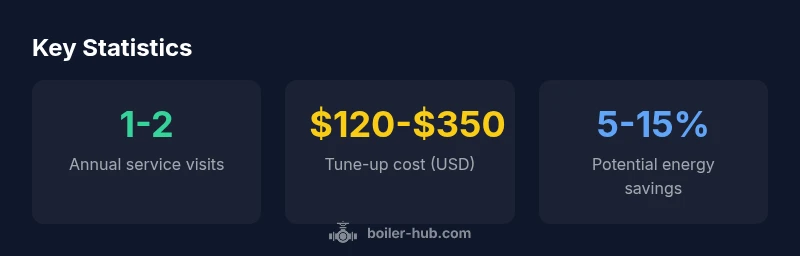
Boiler Bay, Oregon home boiler maintenance typically costs between $120 and $350 for an annual tune-up, with mid-range repairs often $200-$900 depending on system age. Safety upgrades—CO detectors, vent inspections, and combustion analysis—should be budgeted as part of routine upkeep. Boiler Hub Analysis, 2026 indicates that proactive service delivers the best long-term value for homeowners.
Understanding the boiler bay oregon landscape
In boiler bay oregon, climate drives heating needs for many homes and small facilities. The mix of older houses with legacy boilers and newer, highly efficient models means homeowners must consider both the current system and future upgrades. In this region, common boiler types include gas-fired and oil-fired boilers, with a growing adoption of condensing and modulating models for better efficiency. Boilers are often paired with radiators or baseboard heat, and many properties in the Bay area rely on natural gas service, with local code requirements guiding installation, venting, and combustion safety. According to Boiler Hub, understanding local building stock and typical system ages helps set a realistic maintenance and replacement plan. That means evaluating the current boiler’s age, efficiency, fuel type, and venting condition to forecast service needs and potential upgrades over the next 5-10 years.
Sizing, Installation, and Permitting in Oregon
Proper boiler sizing ensures consistent comfort and efficient fuel use. In boiler bay oregon, contractors should calculate heating load based on home size, insulation quality, window efficiency, and climate. Oversized units short cycle, wasting fuel; undersized boilers fail to maintain even temperatures. Installation should follow Oregon codes, with venting and combustion safety checked by a qualified installer. Permits are typically required for new installs and significant replacements, and local AHJs may require inspections before and after work. Make sure the contractor provides a written efficiency rating and confirms clearances around the unit. The Boiler Hub Team notes that addressing these details up front minimizes future service disruption and supports long-term reliability.
Maintenance Best Practices for Longevity and Safety
Yearly professional service is essential for any boiler. Regular maintenance includes inspecting burners and heat exchangers, testing safety devices, cleaning condensate drains, and verifying vent integrity. Combustion analysis and CO detector checks reduce the risk of carbon monoxide exposure. Homeowners should replace worn gaskets, bleed radiators, and flush the system per manufacturer schedule. In boiler bay oregon, humid conditions and seasonal temperature shifts can accelerate corrosion; a proactive maintenance schedule can catch issues early. According to Boiler Hub, a well-planned maintenance program improves efficiency and reduces the likelihood of unexpected breakdowns over the boiler’s life.
Fuel Type, Efficiency, and Running Costs in the Pacific Northwest
Most homes in Oregon rely on natural gas, with oil and propane used in some rural areas. Modern condensing boilers deliver higher efficiency and lower running costs, while older non-condensing units consume more fuel. In the Pacific Northwest, efficiency is a key driver of total cost of ownership; look for high-efficiency models with durable cast iron or steel heat exchangers and modulating burners. Typical modern installations fall in the 80-95% AFUE range, with higher-efficiency units offering substantial savings when paired with well-insulated homes. The choice between fuel types should consider fuel price stability, availability, and local rebates. According to Boiler Hub, balancing upfront cost with long-term savings is essential in Boiler Bay Oregon.
Common Local Issues: Combustion, Venting, and Leaks
Oregon’s climate can stress venting systems and condensate drainage, especially in older homes. Common boiler problems include rusted joints, vent blockages, soot buildup, and minor leaks around the expansion tank or valve connections. Regular vent inspections and pressure checks help prevent dangerous gas buildup or inefficient combustion. If you notice sudden temperature swings, banging noises, or pilot light instability, schedule a service visit promptly. Boiler Hub emphasizes that addressing issues early preserves safety and minimizes costly repairs down the line.
Replacing vs Repairing: Decision Matrix for Boiler Bay
Deciding between repair and replacement hinges on boiler age, repair frequency, and long-term energy costs. If a unit is approaching the end of its typical life and repair costs accumulate, replacement with a high-efficiency model may offer better long-term value. Consider potential energy savings, insurance and safety benefits, and available local rebates. In Boiler Bay Oregon, a structured decision plan—based on system age, reliability, and annual operating costs—helps homeowners and facilities managers maximize comfort and minimize downtime. The Boiler Hub Team suggests running a cost-benefit analysis over a 5- to 10-year horizon to guide the choice.
Maintenance cost and service intervals in Boiler Bay Oregon
| Aspect | Typical Range | Notes |
|---|---|---|
| Annual tune-up cost | $120-$350 | Boiler Hub Analysis, 2026 |
| Typical repair cost (mid-range) | $200-$900 | Boiler Hub Analysis, 2026 |
| Service interval | 1-2 years | Boiler Hub Analysis, 2026 |
Questions & Answers
What is the typical maintenance cost for a boiler tune-up in Boiler Bay, Oregon?
Most homeowners pay about $120-$350 for an annual tune-up. Regular inspections of combustion, vents, and safety devices are essential to prevent costly failures.
Typical boiler tune-ups cost around a few hundred dollars per year; regular inspections help prevent expensive breakdowns.
How often should I service a boiler in Oregon?
A yearly service is common, with additional checks after extreme cold snaps or heavy use. Aging systems may require more frequent inspections.
Most boilers should be serviced once a year.
Is upgrading to a high-efficiency boiler worth it in Boiler Bay?
In many cases, yes—higher efficiency reduces operating costs and emissions. The decision depends on current fuel costs, system age, and installation costs.
Upgrading can pay off over time if fuel costs are high and the current boiler is aging.
Are permits required for boiler installation in Oregon?
Yes. Most boiler installations and substantial repairs require permits from the local AHJ to ensure safety and code compliance.
Permits are usually required for new installs and major replacements.
What are common signs my boiler needs service?
Look for uneven heating, strange noises, rising utility bills, and water leaks around the unit. If you notice these, schedule service promptly.
Watch for strange noises, leaks, or cold spots and call for service.
“A well-maintained boiler is safer, more efficient, and cheaper to operate over time. In Boiler Bay, Oregon, proactive service and thoughtful upgrades pay off.”
Key Points
- Plan annual tune-ups and safety checks.
- Expect tune-ups around $120–$350; budget for repairs.
- Consider high-efficiency upgrades if energy costs justify payback.
- Ensure permits and venting comply with Oregon codes.
- Boiler Bay Oregon requires proactive planning for long-term reliability.