What Boiler Do I Need: A Practical Guide for Homeowners
Learn how to size and select the right boiler for your home with practical steps, calculations, and trusted guidance from Boiler Hub.


To determine what boiler you need, start with a proper heat-load assessment, confirm available fuels, and consider the home’s size, insulation, and radiators. Then prioritize a condensing boiler with the right flow rate for hot water and compatible controls. A correctly sized boiler improves comfort, efficiency, and long-term savings. If your home has high heat loss or multiple zones, a bigger unit may be required, but oversizing wastes energy.
Why choosing the right boiler matters
Choosing the right boiler is not just about replacing an old unit with a newer model. A correctly sized and properly matched boiler delivers consistent comfort, reduces energy waste, and minimizes wear on your heating system. For homeowners and facility managers, getting this decision right saves money over the life of the boiler and lowers the risk of emergency repairs. When you ask, 'what boiler do i need?', you’re really asking how to balance performance, efficiency, and reliability across space heating, domestic hot water, and maintenance needs. According to Boiler Hub, the foundation of a good choice is understanding the heat load, the existing distribution network (pipes, radiators, and zones), and the available fuel options. This article walks you through practical steps, typical scenarios, and practical checks you can perform before you call a professional.
How boilers are sized: heat load vs. area
Many homeowners assume boiler size should match square footage or the number of radiators. In reality, size is driven by heat load—the amount of heat your home loses to the outside environment and through its construction. Factors like insulation quality, window efficiency, air leakage, ceiling height, and shading all influence heat loss. A small, well-insulated home can require a smaller boiler than a larger, poorly insulated one, even if the two have similar floor areas. When you’re evaluating options, don’t rely solely on room counts or “rule-of-thumb” guesses. Use a proper heat-load calculation or a professional manual J-style assessment to determine the correct output (measured in kW or BTU).
Boiler types: combi, system, and heat-only
Boilers come in several configurations to meet different needs. Combi boilers provide space heating and domestic hot water from a single unit, ideal for homes with moderate DHW use and limited storage space. System boilers store hot water in a cylinder, delivering quick hot water and supporting multiple zones. Conventional heat-only boilers supply heating and DHW via separate tanks, often used in homes with higher DHW demand or older piping. Each type has advantages and trade-offs for efficiency, upfront cost, and maintenance. When you’re asking what boiler you need, consider your family’s hot-water habits, number of bathrooms, and how many radiators you have per zone.
Fuel choices and efficiency considerations
Gas and oil remain the most common boiler fuels in many regions, with electricity and solid fuels still in use in some homes. Efficiency matters: newer models often feature condensing technology that recovers heat from exhaust gases, dramatically improving year-round performance. Look for high seasonal efficiency ratings and compatibility with modern controls, weather compensation, and smart thermostats. When selecting a boiler, ensure it can be paired with your existing or planned control strategy and that it meets local energy and safety standards. The goal is to maximize comfort with minimal energy loss.
Sizing basics: calculating heat loss and demand
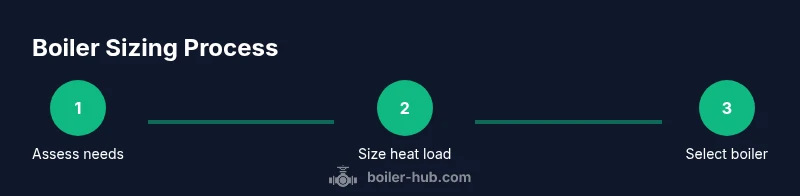
A correct boiler size begins with calculating your home’s heat load, not guessing based on room count. First, assess insulation levels, window types, and occupant behavior. Next, estimate the peak demand for heating and domestic hot water during cold periods. Finally, choose a boiler with an output that safely covers the calculated demand without frequent cycling. If you’re unsure, consult a qualified installer who can perform a careful assessment and explain the implications of oversizing or undersizing. This step is critical to avoid short-cycling, higher operating costs, and reduced comfort.
Matching boiler to radiators and hot water needs
Your radiator network and domestic hot water (DHW) demand determine how much heat a boiler can deliver efficiently. A boiler must provide enough flow rate to satisfy DHW requests while maintaining comfortable radiator temperatures across zones. In homes with older radiators, you may need a boiler with higher flow and compatible circulator pumps. When you ask what boiler you need, consider future changes like additional zones, new radiators, or bathroom renovations that could alter DHW consumption or heat distribution.
Installation constraints: space, venting, and safety
Installation space and venting requirements strongly influence boiler choice. Some boilers are compact and wall-mounted, others are freestanding with larger footprints. Adequate clearance for service, ventilation, and safe combustion air is essential. Local regulations may require CO detectors, proper flue sizing, and system testing after installation. Before purchase, verify that your space can accommodate the boiler’s dimensions and that the venting arrangement complies with code. This ensures safe operation and easier future servicing.
Cost considerations and long-term savings
Total cost includes the boiler, installation, controls, and potential retrofits to enable efficient operation. While upfront costs vary, the long-term savings come from higher efficiency, reduced standby losses, and better weather-related performance. Investing in a condensing, well-sealed system with modern controls can lower annual energy costs, especially in regions with severe weather. Always compare manufacturers’ efficiency ratings, warranty terms, and service options when evaluating options. The goal is to balance upfront investment with expected energy savings over the boiler’s life.
Boiler Hub's practical recommendations
Boiler Hub emphasizes starting with a professional heat-load assessment to determine what boiler you need, followed by selecting a condensing model that matches the home’s DHW profile and radiator network. Prioritize high-efficiency operation, compatible controls, and a scope that accommodates future upgrades or expansions. By focusing on heat load, fuel availability, and system compatibility, you’ll end up with a boiler that delivers reliable comfort with lower energy costs over time. The Boiler Hub team recommends documenting your current system and obtaining multiple quotes to compare installation approaches.
Tools & Materials
- Measuring tape(At least 25 ft (7.5 m) recommended for room measurements and radiators)
- Calculator or smartphone calculator(For quick heat-load estimates and running numbers)
- Notebook and pen(Record measurements, radiator counts, and notes)
- Current boiler spec sheet(Manufacturer model, efficiency rating, outputs)
- Floor plan or room layout(Helps map zones and radiator placement)
- Radiator layout diagram(Optional but helpful for predicting heat delivery)
- CO detector and smoke detector(Safety compliance for new installation)
- Water pressure gauge(Useful to check system before retrofit)
- Smart thermostat or controls(Optional upgrade to maximize efficiency)
Steps
Estimated time: 1-2 weeks
- 1
Assess your heating needs
Begin by enumerating the number of zones, bathrooms, and typical hot-water use. Note any plans for expansions or renovations that could affect demand. This step defines the scope of your boiler project and helps avoid under- or over-sizing.
Tip: Create a simple heat map of rooms by usage to visualize zones and demand. - 2
Gather space, fuel, and water-use data
Collect information about available fuels (gas, oil, electricity), current boiler model, age, and efficiency. Record insulation quality and window types, as these influence heat loss. This data supports a more accurate sizing decision.
Tip: Take photos of the existing boiler and piping for reference. - 3
Estimate heat load or get a professional assessment
Use a formal method or hire a pro to perform a manual J-style heat-load calculation. Even a rough, documented estimate is better than guesswork, especially in older homes with variable insulation.
Tip: If possible, schedule a survey during peak winter to capture worst-case conditions. - 4
Select boiler type and efficiency level
Choose between combi, system, or heat-only based on DHW needs and space. Prioritize condensing technology and high-efficiency ratings to maximize long-term savings and comfort.
Tip: Ask for a boiler that supports modern controls like weather compensation and smart thermostats. - 5
Check compatibility with existing radiators and DHW
Verify that the planned boiler output and flow rate align with radiator network and DHW demands. In some cases, you may need to upgrade pumps, cylinders, or piping for optimal performance.
Tip: Prepare a basic radiator count and DHW profile to share with installers. - 6
Obtain multiple quotes and compare features
Request detailed quotes that include equipment, labor, permits, and post-installation service. Compare efficiency ratings, warranty terms, and potential incentive eligibility.
Tip: Ask installers for a sizing justification and a written plan showing controls integration. - 7
Prepare for installation and permits
Ensure space is clear, vents are accessible, and CO/smoke detectors are in place. Confirm lead times and potential downtime for heating and hot water during replacement.
Tip: Coordinate with building management or HOAs early to avoid scheduling conflicts.
Questions & Answers
What is the difference between a combi boiler and a system boiler?
A combi boiler provides space heating and instantaneous hot water from one unit, ideal for smaller households. A system boiler stores hot water in a cylinder, delivering quicker DHW and supporting multiple zones. Your choice depends on DHW usage, space, and future plans.
Combi boilers supply heat and hot water from one unit, great for smaller homes. System boilers store hot water in a cylinder for rapid DHW and multi-zone use.
How do I determine my home's heat load?
A heat-load calculation assesses insulation, air leakage, window efficiency, and house envelope. It’s more accurate than room counts. Use a professional service or a standardized calculation method to estimate the boiler output you need.
A heat-load calculation looks at insulation, leaks, and windows to size the boiler accurately.
Is it worth replacing an old boiler if it’s still working?
Even a functioning old boiler may be inefficient and unreliable. Replacing with a condensing model can reduce energy waste and improve comfort, often with a reasonable payback over time.
Even if it works, an old boiler can waste energy. A newer condensing model often pays back through savings.
What permits or regulations apply to boiler installation?
Installation typically requires compliance with local codes and may require permits, safety checks, and venting standards. Check with your local building department and hire a licensed professional to ensure compliance.
Installations usually need permits and proper venting; a licensed pro will handle compliance.
Can a boiler supply both heating and hot water efficiently?
Yes, but efficiency depends on the boiler type and system setup. Combi units offer DHW on demand, while system or heat-only boilers require a tank. Proper sizing and controls are essential for efficient operation.
Yes, but it depends on the type and setup; proper sizing matters for efficiency.
How long does boiler installation take?
Installation duration varies with the boiler type, system complexity, and building constraints. Plan for several hours to a few days, plus any required inspections or permits.
Expect a few hours to a few days depending on the system and space.
Watch Video
Key Points
- Size by heat load, not room count
- Choose condensing, high-efficiency models
- Match boiler to DHW needs and radiator layout
- Get multiple quotes and plan for installation