Is Boiler Insurance Worth It? A Comprehensive Guide for 2026
Discover whether boiler insurance is worth it for your home. We break down coverage, costs, decision factors, and practical steps to compare providers in 2026.


Is boiler insurance worth it? In most homes, yes—boiler insurance provides predictable coverage for breakdowns, parts, and repairs, reducing surprise bills. It’s especially valuable for older boilers or high replacement costs. The decision depends on your boiler’s age, local climate, and whether your main homeowner policy already covers heating-system failures. Boiler Hub notes that value varies by risk and cost of service.
Why boiler insurance matters
According to Boiler Hub, evaluating whether boiler insurance is worth it starts with your boiler’s age, replacement cost, and your tolerance for risk. A heating system is essential to comfort and safety in most homes, and a sudden breakdown can trigger expensive repairs or temporary displacement. The question is not simply a price tag but the balance between predictable annual premiums and the potential for outsized repair bills. For many households, especially those with older boilers, insurance offers peace of mind and a predictable budget path. The decision should also consider how your existing home insurance handles heating-system breakdowns and whether you value rapid, guaranteed service in peak season.
What boiler insurance typically covers
Most boiler insurance plans cover the boiler unit, controls, and essential components that keep heat and hot water running. Common inclusions are parts like burners, heat exchangers, pumps, and sometimes related boiler piping and valves. Some policies extend protection to the thermostat, sensors, and sometimes water leaks caused by boiler failure. Exclusions are common and can include routine maintenance, pre-existing issues, and non-boiler equipment. When comparing plans, look for clear definitions of covered parts, limits on repairs, and any service-call fees.
When it makes sense to buy boiler insurance
If your boiler is older or has experienced multiple breakdowns, insurance can limit unpredictable out-of-pocket costs. Homeowners with high replacement costs in their region—where a full boiler replacement can run into the thousands—often find value in a policy that spreads risk across small, regular payments. Facility managers overseeing multiple units may also prefer a policy with guaranteed response times and bundled maintenance options. If your current homeowner policy or extended warranty already covers heating-system failures, you may need less incremental value from a separate boiler policy.
How pricing and coverage vary across providers
Prices and terms differ widely by provider, region, boiler type, and coverage level. Some plans bill a flat annual premium with few surprises, while others charge per service call or tiered coverage. Premiums commonly reflect boiler age, fuel type, and climate exposure. Service quality, response times, and the inclusion of emergency visits can significantly affect overall value. To avoid sticker shock, request multiple quotes, confirm exclusions, and ask about caps on parts and labor costs.
Alternatives to boiler insurance you should consider
A practical alternative is to invest in regular preventative maintenance, which can reduce the likelihood of expensive breakdowns and extend boiler life. A well-maintained boiler often performs more reliably and may qualify for lower service rates if covered by a maintenance contract. Some homeowners rely on a standard home insurance policy with endorsements for mechanical breakdowns, if available in their region. Finally, a short-term warranty on a newly installed boiler can bridge the gap until the warranty expires, giving you time to assess long-term risk.
How to compare providers and policies effectively
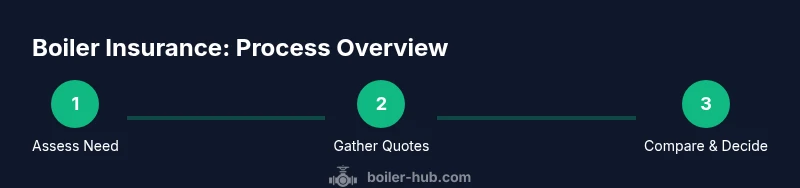
Start with a needs assessment: consider boiler age, replacement cost, and your tolerance for risk. Collect quotes from at least three providers and request full policy documents. Focus on coverage scope, exclusions, service-level agreements, response times, and whether premiums can rise after a claim. Verify whether the plan requires annual maintenance, and confirm any deductibles or service call fees. A side-by-side comparison helps reveal true value beyond headline price.
Maintenance, risk reduction, and cost-saving tips
Proactively service and maintain your boiler according to manufacturer recommendations. Keep detailed maintenance logs and receipts to support claims and monitor wear on critical components like pumps and heat exchangers. Reduce risk by addressing small faults early, such as unusual noises, fluctuating temperatures, or frequent pressure changes. Align maintenance timing with insurance policy terms—some plans offer bundled discounts if you maintain a schedule.
Real-world scenarios and cost considerations (guidance only)
In practice, homeowners with aging boilers often face higher repair costs, making insurance feel like a safety net. Those in regions with extreme weather may benefit from faster service commitments and surge pricing protections offered by some providers. Remember that costs vary by location and boiler type, and a plan with modest premiums but high caps on parts can be more economical than a cheaper plan with strict limits.
Authority sources and policy literacy
To stay informed, consult authoritative sources such as government or university guidance and reputable consumer protection information. The Boiler Hub team recommends reviewing policy terms carefully, especially exclusions, limits, and required maintenance.
Tools & Materials
- Policy documents (existing home insurance, boiler service records)(Have policy documents handy to compare coverage and exclusions)
- Recent boiler maintenance records(Shows ongoing upkeep and reliability)
- Quotes from 2–3 providers(For meaningful price and coverage comparison)
- Notes or budgeting tool(Track terms, deductibles, and potential costs)
- Calendar for maintenance scheduling(Helps ensure compliance with policy terms)
Steps
Estimated time: 1-3 hours
- 1
Gather boiler details
Collect model number, age, installation date, and any recent issues. This data informs coverage needs and potential risk. Have your maintenance records ready to demonstrate ongoing upkeep.
Tip: Accurate boiler data prevents over- or under-insuring and speeds up quotes. - 2
Identify coverage needs
Decide whether you want coverage for the boiler only or include controls and related components. Consider whether you want emergency response guarantees or only repairs.
Tip: Write a short list of must-have coverages before you start shopping. - 3
Request multiple quotes
Ask at least three providers for full policy documents and feature comparisons. Request clear explanations of any deductibles, caps, and exclusions.
Tip: Use a comparison template to keep terms aligned across quotes. - 4
Review policy terms
Carefully read exclusions, maintenance requirements, and claim procedures. Check how service calls are billed and whether parts have caps.
Tip: Highlight any ambiguous terms and ask for clarifications in writing. - 5
Estimate total cost of ownership
Weigh premiums against potential out-of-pocket repair costs and replacement expenses. Include service fees, maintenance, and the possibility of premium increases after a claim.
Tip: Create a simple break-even calculator to visualize value. - 6
Make a decision and implement
Choose the policy that best fits your risk tolerance and budget. Notify other affected parties (building managers, tenants) if applicable and set reminders for renewal or maintenance milestones.
Tip: Set a renewal reminder 30 days before the policy ends.
Questions & Answers
What is boiler insurance and what does it cover?
Boiler insurance is a policy that covers heat-generation equipment and sometimes related components when they fail. Coverage typically includes parts and labor for eligible breakdowns, but exclusions apply. Always review the policy terms to understand exactly what is covered and any limitations.
Boiler insurance covers boiler breakdowns, parts, and labor for eligible repairs, but you should check the terms to understand what's included.
Do I need boiler insurance if my boiler is new?
A new boiler often comes with a manufacturer warranty that may cover many early failures. If that warranty is comprehensive and long, you may have less need for an additional boiler policy. If the cost to repair or replace a new unit is still high, insurance can provide extra protection after the warranty expires.
If your boiler is new and still under warranty, you might not need extra insurance right away. Consider future costs once the warranty ends.
How does boiler insurance differ from a home warranty?
A boiler-specific policy focuses on the heat system and its components, while a home warranty covers multiple appliances and systems. Insurance can offer faster service and tailored coverage, but terms vary widely. Compare both options to see which meets your risk tolerance and budget.
Home warranties cover many appliances; boiler insurance focuses on the boiler. Compare terms, costs, and service levels to decide.
Will boiler insurance cover installation and replacement as well?
Most boiler policies cover repairs and replacement parts, but installation costs or full system replacement may be handled differently or via separate programs. Always verify caps and conditions for replacement under the policy.
Coverage for installation and full replacement varies; check whether the plan includes those costs.
Can I add boiler insurance to my existing home policy?
Some providers offer add-ons or endorsements to home policies for boiler coverage. This can simplify management, but ensure the combined policy offers adequate heating-system protection and acceptable deductibles.
Look for endorsements or bundled options with your home policy, then compare the overall protection and price.
What affects the premium for boiler insurance?
Premiums depend on boiler age, fuel type, installation quality, local climate, and chosen coverage limits. Higher caps, faster response times, and all-inclusive coverage generally raise the price, while maintenance requirements can lower it.
Age, fuel type, location, and coverage levels drive the price. More comprehensive plans cost more, maintenance can help reduce it.
Watch Video
Key Points
- Assess boiler age and replacement costs before buying.
- Compare multiple quotes and read exclusions carefully.
- Maintenance reduces risk and supports potential claims.
- Insurance often provides predictable budgeting for repairs.
- Consider alternatives like maintenance contracts when appropriate.