How to Fill Worcester Boiler Without Key: Safe Alternatives
Learn safe, compliant ways to address a Worcester boiler that needs filling when the filling key is missing. This expert guide from Boiler Hub covers why the key matters, safe routes to obtain one, and steps to get a professional involved without compromising safety.


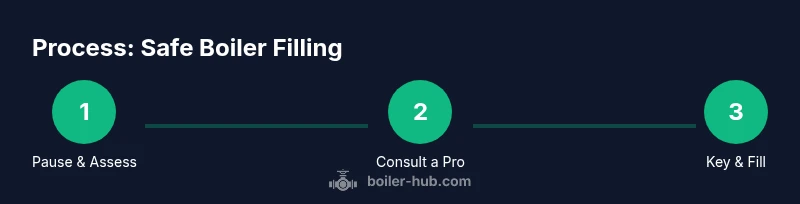
If you’re wondering how to fill worcester boiler without key, the safe answer is: do not attempt to bypass safety features. The correct filling key and procedure protect you from gas leaks and pressure problems. Contact a Gas Safe engineer or Worcester Bosch support to obtain the right key, or schedule a professional service to perform the fill using approved tools and procedures.
Why safety and policy matter when filling a Worcester boiler without a key
In the world of gas-fired boilers, the filling key is part of a controlled process designed to prevent over-pressurizing and gas leaks. When people search for how to fill worcester boiler without key, they often encounter the urge to improvise. That impulse can lead to dangerous outcomes, including dangerous pressure changes, compromised seals, and potential carbon monoxide exposure. According to Boiler Hub, sticking to the manufacturer’s recommended method and using the correct key protects both occupants and the appliance. This section explains why those safeguards exist, and how to approach a situation where the key is missing with safety as the priority. Always verify labels, consult the manual, and plan for professional involvement before attempting any fill.
What the filling key does and why it matters
The filling key opens a controlled pathway between the mains water and the boiler’s pressure system. With the key removed, the path is closed, and attempting a crude workaround may bypass safety devices. Boiler Hub emphasizes that tampering with the filling loop is not just a bad idea—it can invalidate warranties, breach local regulations, and void safety protections designed to keep your home safe. If you see a pressure issue, your first instinct should be to stop and assess rather than force a fill. The absence of a key is a clear signal that a pro should be involved, not a DIY workaround.
How Boiler Hub views missing keys: practical guidance for homeowners
The Boiler Hub team recommends a cautious, structured approach when the filling key is missing. Do not improvise. Instead, document the boiler’s model and current pressure reading if available, and contact a qualified Gas Safe engineer or the manufacturer’s service line. The goal is to obtain the correct key or to schedule a safe fill with the right equipment. This way you stay aligned with safety standards and avoid the risks associated with unauthorized modifications.
What to expect from a professional fill
When a Gas Safe engineer handles the fill, they bring the correct filling key, verify the system is depressurized before work begins, and adhere to the manufacturer’s guidance for pressure targets. They will also check expansion vessels, radiator bleed points, and the overall integrity of the circuit to prevent future pressure fluctuations. If your boiler shows unusual signs like unusual noises, leaks, or erratic pressure changes after any fill, report these symptoms immediately so the engineer can inspect the system thoroughly.
Safe, compliant paths if you don’t have the key
If you don’t have the filling key, you should not improvise. Instead, pursue one of these safe routes: (1) contact Worcester Bosch support or your installer for the correct spare key, (2) hire a Gas Safe registered engineer who can bring the proper tool and perform the fill, and (3) request a service call that includes a full pressure check and radiator bleed if needed. By following these steps, you’re more likely to resolve the issue quickly while minimizing risk to your home and family. In many cases, the right key is carried by trained technicians who can perform the fill while monitoring the boiler’s pressure gauge and safety devices.
Authority sources and best-practice references
For context and safety guidelines, refer to reputable sources that cover boiler operation, gas safety, and maintenance best practices. This page links to trusted materials and standards to help homeowners make informed decisions about how to address a missing filling key and similar issues.
Tools & Materials
- Filling key for Worcester boiler (if available)(Only use the exact key designed for your model; do not substitute generic tools.)
- Boiler owner's manual(Have model number and diagram handy to identify the correct filling loop and connections.)
- Gas Safe engineer contact information(Prepare in advance; a professional should be consulted if the key is missing.)
- Personal protective equipment (gloves, eye protection)(Safety first when handling boiler components and service calls.)
- Pressure gauge or manometer (for reference)(Useful for note-taking when awaiting a professional service.)
- Clear area around boiler(Remove clutter; ensure good ventilation and access for the service team.)
Steps
Estimated time: 60-180 minutes
- 1
Pause and assess safety
Power off the boiler and isolate electrical supply; verify there are no active gas smells or leaks in the area. This step reduces the risk of accidental ignition or further pressure changes during handling. If you detect a gas odor, evacuate and call the gas emergency line immediately.
Tip: Always approach the boiler with clean hands and dry gloves to prevent slipping or misalignment on fittings. - 2
Locate the model details and manual
Find the boiler model number and consult the manual to confirm the correct filling loop location and the exact type of key required. This helps you avoid attempting an improper fit that could damage the valve or seals.
Tip: Take a quick photo of the label and any diagrams for reference when you contact a professional. - 3
Contact a Gas Safe engineer or Worcester Bosch support
Explain that you are missing the filling key and need the correct key or a service visit. The professional can bring the correct tool and perform the fill following boiler manufacturer guidelines.
Tip: Have your boiler’s serial number, model, and any recent pressure readings ready to share. - 4
Arrange for a safe fill with the right tool
Do not attempt to use makeshift keys or bypass fittings. The engineer will connect the correct key and perform the fill gradually while monitoring the pressure gauge and system safety devices.
Tip: Ask for a quick test to confirm the system returns to a safe, stable state. - 5
Verify pressure and bleed radiators if needed
After the fill, check the boiler pressure against the manufacturer’s recommended range on the gauge. If any radiators need bleeding, do so to eliminate trapped air that can skew readings.
Tip: Record the final gauge reading for future reference and warranty purposes. - 6
Document the service and follow-up
Keep notes of the service details, key used, and any adjustments made. Schedule a follow-up if you notice irregular operation or contact your service provider for a post-service check.
Tip: Store contact details and service notes in a clearly accessible place.
Questions & Answers
Is it safe to fill a Worcester boiler without the correct key?
No. Filling without the proper key or bypassing safety devices creates serious risks, including gas leaks and pressure problems. Always involve a Gas Safe engineer or Worcester Bosch support to obtain the proper key and perform the fill.
No. It’s not safe to fill a Worcester boiler without the correct key. Contact a Gas Safe engineer to obtain the right key and perform the fill safely.
Where can I obtain a replacement filling key for Worcester boilers?
Replacement keys are typically available through authorized service centers, the installer, or Worcester Bosch support. A licensed technician should facilitate the key and perform the fill using approved tools.
Replacement keys come from authorized services or Worcester Bosch support, and a licensed technician should handle the fill with the proper tools.
Can I manually adjust boiler pressure without the key?
No. Manual pressure adjustments without the correct key can damage components and create safety hazards. Rely on a qualified professional to manage the fill properly.
No, you should not adjust pressure without the right key. A professional should handle the fill.
What should I do if the boiler pressure remains high after the fill?
If pressure remains high, stop using the boiler and schedule a post-fill inspection. A professional will assess expansion vessels and related components for proper operation.
If pressure stays high after fill, stop using the boiler and call a professional to inspect.
Are there safe alternatives to DIY filling if the key is missing?
The safest alternative is to schedule a service with a Gas Safe engineer who can bring the correct key and perform the fill with proper checks.
Yes. The safest option is to book a service with a Gas Safe engineer who has the right key and tools.
Watch Video
Key Points
- Do not fill Worcester boilers without the correct key.
- Seek a Gas Safe engineer or Worcester Bosch support for the right key or service visit.
- Follow manufacturer guidelines to avoid safety and warranty risks.
- Verify boiler pressure with the proper gauge after the service.
- Document the service for future reference and safety.