How to Double Boiler: Safe, Gentle Heating Guide for Cooks
Learn to safely heat delicate ingredients with a double boiler. This step-by-step guide covers setup, technique, troubleshooting, and safety for perfect chocolate, sauces, and custards.


Master the gentle art of heating with a double boiler. This technique uses indirect heat to prevent scorching, curdling, or burning delicate ingredients. In this guide, you’ll learn how to set up your equipment, follow a reliable step-by-step process, and avoid common mistakes. By the end, you’ll be confident melting chocolate, emulsifying sauces, and warming delicate mixtures safely.
What is a double boiler?
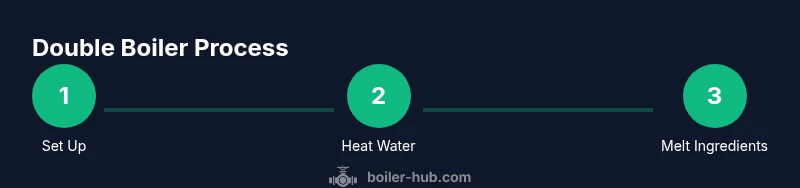
A double boiler is a cooking technique that relies on indirect heat. It consists of two vessels: a lower pot holding simmering water and an upper heatproof bowl that rests above the water level. The heat from the steam and gentle contact indirectly warms the upper bowl, providing a stable, low-temperature environment. This method is especially valuable for melting chocolate, tempering sauces, and warming custards without risking scorching or seizing. When you see recipes calling for a double boiler, they aim to control temperature precisely and prevent rapid changes that could ruin texture. According to Boiler Hub, mastering this technique is a foundational skill for both home cooks and professional kitchens. The principle is simple, but the execution matters: the water should simmer, not boil vigorously, and the upper bowl should not touch the water. With practice, you’ll develop a light touch and a reliable feel for gentle heat.
In practical terms, a double boiler acts as a heat buffer. Direct contact with a hot pan can cause sudden melting or separation in fats, sugar, or dairy. The indirect heat provided by the steam allows you to melt chocolate smoothly, emulsify sauces like hollandaise, and warm delicate mixtures such as pastry creams. It’s a versatile technique that extends the range of recipes you can tackle without compromising texture. The concept dates back to traditional kitchens where precise control over temperature could be the difference between a glossy ganache and a grainy mess. The setup is simple, but consistent results require attention to water level, bowl material, and steady steam.
For beginners, the goal is to create a consistent, low heat. You’ll want the water to simmer gently, not boil, and you’ll need a heatproof bowl that fits securely above the pot. If the bowl rocks or the water touches the bottom of the bowl, adjust the water level or use a larger pot. With the right setup, you can confidently handle tasks that demand patience and precision. And as you refine your technique, you’ll notice fewer texture issues and more even temperature distribution across your ingredients.
noteSizeForHeadingsNoSeparationAndTheBlockBoundariesWhichAreNotPresentedHere
Tools & Materials
- Heavy-bottom saucepan or pot(2-3 quart minimum; wider bases help distribute heat evenly)
- Heatproof bowl or cup(Stainless steel or heat-resistant glass; ensure it fits over the pot without touching water)
- Water(Just enough to create steam; avoid submerging the bowl)
- Silicone spatula or whisk(For gentle stirring without marring the bowl surface)
- Thermometer (optional)(Use to monitor temperature for sensitive tasks like tempering chocolate)
- Kitchen towel or pot holder(For safe handling and to wipe condensation)
Steps
Estimated time: 15-25 minutes
- 1
Gather and prep equipment
Assemble a heavy-bottom pot, a heatproof bowl, and a method for stirring. Inspect the bowls for cracks and ensure the bowl sits securely above the pot without touching the water. This step reduces the risk of accidents during heating.
Tip: Have everything within arm’s reach to avoid moving hot pieces mid-task. - 2
Add water and heat to a simmer
Pour a small amount of water into the pot—just enough to create steam when heated. Place the pot on the stove and bring the water to a gentle simmer. The goal is a steady, low heat rather than a rolling boil.
Tip: Keep the water level low so the upper bowl has space to heat without dipping into the water. - 3
Position the upper bowl
Set the heatproof bowl on top of the pot so it sits above the steam, not in it. Make sure the bottom of the bowl does not contact the water. This creates a reliable, indirect heat source for melted or warmed ingredients.
Tip: If the bowl touches the water, raise the lid slightly or use a slightly larger pot. - 4
Add ingredients and apply gentle heat
Add chocolate, dairy, or delicate mixtures to the upper bowl. Stir regularly with a spatula or whisk to promote even heating. Monitor temperature and adjust the flame to maintain a gentle simmer.
Tip: Avoid overheating; when in doubt, remove from heat for a moment to re-stabilize. - 5
Finish, remove, and clean
Once the ingredients are smooth and fully heated, carefully lift the bowl using a towel and set it aside to cool slightly. Rinse and dry all parts promptly to prevent residue build-up and odors.
Tip: Dry all components thoroughly before reassembly to prevent water spots and corrosion.
Questions & Answers
What is a double boiler and when should I use it?
A double boiler uses indirect heat from simmering water to warm or melt ingredients gently. It’s ideal for chocolate, custards, sauces, and emulsions where direct heat could cause separation or scorching.
A double boiler uses indirect heat, perfect for delicate sauces and chocolate.
Can I substitute a makeshift double boiler with a pot and metal bowl?
Yes, a metal or glass bowl over a pot of simmering water can work as a makeshift double boiler. Ensure the bowl sits securely and does not touch the water.
You can improvise using a pot and bowl as long as the bowl doesn’t touch the water.
Is a thermometer necessary for double-boiling chocolate?
A thermometer helps you hit precise temperatures for tempering or delicate sauces, but you can also gauge doneness by texture and aroma for many recipes.
A thermometer helps with precision, but you can rely on texture and touch too.
What are common mistakes to avoid?
Common mistakes include boiling water too vigorously, letting the bowl touch the water, and overheating the mixture. Keep heat low and stir regularly.
Avoid strong heat and contact with water for best results.
How do I clean a double boiler setup?
Wash components promptly with warm, soapy water. Dry completely to prevent mineral buildup and rust. For stubborn residues, soak briefly before washing.
Wash promptly and dry fully to keep it in good condition.
Can a double boiler be used for non-dairy recipes?
Absolutely. The indirect heat method is suitable for non-dairy sauces, syrups, and other delicate mixtures that benefit from steady, gentle heating.
Yes, it works great for many non-dairy applications too.
Watch Video
Key Points
- Heat indirectly with a simmer, not a boil.
- Keep the upper bowl above water level to avoid scorching.
- Stir regularly for even heat distribution.
- Dry and clean components after use for longevity.