Double Boiler for Baking: Precision Heating for Delicate Desserts
master the double boiler for baking with a water bath approach. Learn setup, safety, tempering chocolate, custards, and sauces for reliable, silky results in home kitchens and professional settings.


Learn how to use a double boiler for baking to achieve gentle, even heat for delicate mixtures like chocolate, custards, and sauces. You will learn setup basics, proper water level, and temperature management to prevent scorching or curdling. This technique helps you bake with precision without overheating fragile ingredients, ensuring repeatable results for home batches and professional kitchens alike.
Why a Double Boiler for Baking
According to Boiler Hub, the double boiler technique uses a heated water bath to deliver gentle, stable heat to fragile mixtures. In baking, this method shines when melting chocolate, tempering compounds, or cooking custards that would scorch on direct flame. The design separates the heat source (stove) from the actual ingredients, reducing the risk of sudden temperature spikes. When you maintain a steady simmer in the bottom pot and keep the top bowl clear of water, you create a controlled environment where fats emulsify slowly, proteins set evenly, and flavors meld without scorching. For home bakers and facility managers alike, mastering this method expands the range of recipes you can execute with confidence. The goal is to provide precise heating without direct contact between the food and the flame, ensuring a smooth texture and glossy finish in desserts like ganache, crème anglaise, and delicate sauces.
Boiler Hub's guidance emphasizes steady heat and patience as key to success with this technique.
What a Double Boiler Does in Baking
A double boiler works by letting steam from simmering water transfer heat to the upper vessel without direct contact. This creates a thermal cushion that prevents scorching and sudden temperature climbs. In baking, you can use the method to melt chocolate smoothly, temper chocolate for glossy coatings, and gently cook custards that require even heat. The top vessel sits above the water line, so the hottest contact comes from indirect heat rather than a flame directly touching the food. That indirect approach yields consistent texture, fewer broken emulsions, and fewer curdled mixtures. When you follow careful steps, you reduce the risk of water droplets entering the mixture and causing seizing or lumpy textures.
Choosing the Right Setup for Baking Tasks
Your setup choice depends on how often you bake and what you bake. A two-part double boiler is ideal if you frequently melt chocolate or temper delicate ingredients. If you only occasionally need a water bath, a sturdy heatproof bowl set over a small pot works well as a DIY option. Materials matter: stainless steel and heavy-duty heatproof glass conduct heat evenly and resist warping. The bottom pot should be wide enough to maintain a comfortable water surface without touching the top vessel. Check alignment between pots to minimize wobble and ensure the top vessel has space to capture steam. Finally, ensure lids or a stable lid alternative to trap steam while cooking. Smart storage and proper stacking can prevent tipping and spills during busy cooking sessions.
Basic Safety and Setup Guidelines
Safety begins with a steady simmer, not a rolling boil. Fill the bottom pot with one to two inches of water and bring it to a gentle simmer before placing the top vessel. Keep the top vessel above the water to avoid water contact, which can cause seizing or waterlogging delicate mixtures. Use a heat diffuser if your stove runs hot or unstable, especially when tempering chocolate or cooking custards. Wear heat-resistant gloves when handling hot pots, and keep towels or silicone mats handy to stabilize the setup on the counter. Finally, never leave a double boiler unattended on high heat; the steam can condense and undermine the texture.
Techniques: Melting Chocolate Without Seizing
When melting chocolate, break it into uniform pieces and place it in the top bowl. Keep the water at a gentle simmer and stir continuously to distribute heat evenly. Do not let any water droplets enter the chocolate, as even a small amount can cause seizing and grainy texture. If the chocolate starts to look glossy and flow easily, you can remove it from the heat to finish melting with residual heat. A clean, dry spatula makes a big difference, and you should wipe the bowl edges to prevent pockets of moisture from forming. If you see gritty bits, keep stirring and allow the chocolate to smooth out slowly.
Custards and Delicate Desserts Using a Water Bath
Custards tolerate gentle heat best when baked or cooked in a water bath. Place the custard mixture in a heatproof bowl and set it in the top part of the double boiler, ensuring the water in the bottom pot stays at a gentle simmer. Whisk steadily throughout to prevent lumps and ensure even cooking. The water bath minimizes temperature spikes, reducing the risk of curdling and cracking. For crème anglaise, temper eggs gradually by adding warm mixtures a little at a time while whisking; this helps avoid scrambling. Allow the custard to thicken slowly, then cool promptly to set the desired texture.
Cheesecakes and Water Bath Considerations
Cheesecakes often benefit from a water bath to reduce cracking and encourage even baking. If using a double boiler setup for cheesecake base or filling tasks, use a pan that allows steam to circulate around the dish. The bottom water level should not touch the cheesecake pan; you want indirect heat to penetrate the batter. Cover loosely with foil if needed to prevent condensation from dripping onto the surface. This technique helps maintain a uniform bake and a creamy center, especially when cooking at lower, gentler heat.
Troubleshooting Common Issues
If you notice scorching at the bottom pot, reduce heat and allow a longer simmer rather than a vigorous boil. Water splashes or droplets can waterlog chocolate or custards; keep the top vessel dry and wipe edges regularly. If the mixture looks separated or gritty, remove from heat and whisk vigorously to re-emulsify. For chocolate that thickens too quickly, add a small amount of neutral oil or melted cocoa butter to restore smoothness. When a water bath seems too hot, temporarily remove the top vessel and reduce heat until you regain a gentle, stable temperature.
Cleaning and Maintenance Tips
After cooking, let the setup cool before inspecting components. Wash the top vessel with warm soapy water and dry thoroughly to prevent any residual moisture. The bottom pot can be scrubbed normally, but avoid abrasive cleaners that could scratch stainless steel. Dry all parts completely before stacking for storage. If you notice any warping or handles feeling loose, replace or repair the affected parts to maintain safe operation in future cooking sessions.
Quick-Start Recipes and Practical Uses
Begin with a simple chocolate melt, then move to a custard base that requires gentle heat. A basic ganache can be prepared by melting chocolate and gently adding warm cream until smooth. For custards, use the water bath to ensure even heat and no scorching. For sauces such as hollandaise, a stable double boiler helps you emulsify the mixture slowly without breaking. These uses showcase how the double boiler for baking extends your repertoire beyond direct-heat methods.
When to Avoid a Double Boiler and Alternatives
If the recipe already specifies precise oven temperatures or direct heat without risk of scorching, a double boiler may be unnecessary. In high-heat environments or large-volume baking operations, consider alternative methods such as a water bath in a roasting pan with more controlled heat distribution. For quick melting tasks, a microwave or short-burst stove heating with constant stirring can suffice, but keep in mind that you may lose texture control. The choice depends on the recipe, volume, and the level of precision required.
Tools & Materials
- Two-part double boiler (or a heatproof bowl + saucepan)(Bottom pot should hold 1-2 inches of simmering water; ensure top bowl sits above water level)
- Saucepan or stock pot(Large enough to hold water and the bottom of the double boiler without touching the top vessel)
- Stable heat source (stove)(Gas or electric; ensure consistent simmer)
- Spatula and whisk(Silicone or stainless; used for stirring to avoid lumps)
- Instant-read thermometer(Optional but helpful to monitor temperature when tempering chocolate or custards)
- Towel or silicone mat(To stabilize the top bowl above the water and prevent sliding)
- Dish soap and sponge(For cleaning after use)
Steps
Estimated time: 60-120 minutes
- 1
Prepare the double boiler setup
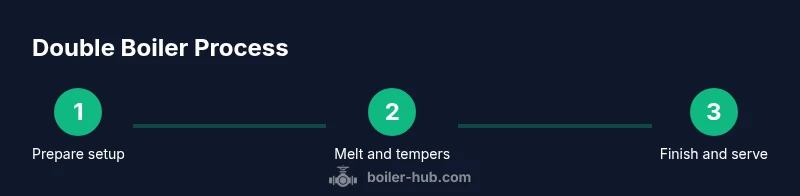
Fill the bottom pot with 1-2 inches of water and bring to a gentle simmer. Place the top vessel above the water line, making sure it does not touch the water. If needed, use a heat diffuser and a towel to steady the setup. This establishes a stable, indirect heat environment for delicate ingredients.
Tip: Keep water at a light simmer; rolling boils transfer heat too quickly. - 2
Choose the right vessel
Select a top bowl or smaller pot that fits inside the bottom pot without touching. A snug fit minimizes heat loss and allows consistent heat transfer. If improvising, test fit by placing the top vessel and gently rocking it to ensure stability.
Tip: A slightly wider top vessel reduces the chance of heat pockets forming. - 3
Melt chocolate with care
Break chocolate into uniform pieces and add to the top vessel. Stir continuously and keep the water at a steady simmer. Do not allow any water to enter the chocolate, as moisture causes seizing and graininess.
Tip: Dry utensils and bowls before contact with chocolate to prevent moisture transfer. - 4
Temper chocolate safely
Once melted, remove from heat and stir to distribute heat evenly. Test gloss by brushing a small amount on parchment and letting it set; aim for a smooth, glossy finish. Work quickly to preserve temper and avoid overheating.
Tip: Small batches are easier to control when tempering. - 5
Prepare custards or delicate sauces
Place the custard or sauce base in the top vessel and whisk while warm. Use the indirect heat to prevent curdling and ensure even thickening. If using eggs, temper slowly by adding a warm fraction at a time.
Tip: Keep the mixture moving to avoid hot spots. - 6
Use a water bath for delicate bakes
Place the dessert dish inside a larger roasting pan and add hot water around it to create a bath. The water level should come halfway up the dish to distribute heat evenly. Cover with foil if needed to prevent surface condensation from dripping.
Tip: Use hot water to reduce temperature shock when placing pans into the oven. - 7
Monitor heat and avoid scorching
Keep heat low and steady. If you notice rapid bubbling or steam escalation, reduce heat and adjust the setup. An instant-read thermometer can help you judge when to lift the vessel from the heat.
Tip: Aim for gentle, consistent heat rather than aggressive cooking. - 8
Cool and set safely
Remove from heat and allow mixtures to cool gradually. Transfer to a cool surface away from drafts to set properly. If cooling custards, refrigerate once they reach room temperature.
Tip: Avoid abrupt temperature changes to protect texture. - 9
Clean as you go
Wash the top vessel and any utensils used immediately after cooking. Dry thoroughly before storing to prevent rust or staining on metal surfaces. Reassemble for future use by checking for any warping or damage.
Tip: Drying prevents staining and preserves nonstick surfaces. - 10
Adapt recipes to the technique
Use the double boiler for recipes that require gentle heat, such as ganache, custards, and light sauces. You can also use it to keep already mixed preparations warm without overcooking. Always assess whether a water bath adds value for texture and flavor.
Tip: Start with small batches to learn how your setup behaves. - 11
Common mistakes and quick fixes
If chocolate seizes, remove heat and whisk vigorously, then gradually reintroduce dry, melted chocolate to restore emulsion. If water touches the food, quickly remove from water and dry before returning to heat. Keep a clean, dry workspace to prevent moisture from entering the mixtures.
Tip: Have a backup plan for tempering if the first batch fails.
Questions & Answers
What is a double boiler used for in baking?
A double boiler provides gentle, indirect heat ideal for melting chocolate, tempering, and cooking custards. It prevents scorching by isolating the food from direct flame contact, enabling smoother textures and better emulsions.
A double boiler uses gentle indirect heat for melting chocolate, tempering, and custards, reducing scorching and helping emulsions stay smooth.
Can I improvise with a pot and bowl?
Yes, you can improvise with a heatproof bowl resting over a pot of simmering water. Ensure the bowl does not touch the water and that the setup is stable. Use caution and dry equipment thoroughly before use.
You can improvise with a heatproof bowl over a simmering pot, just keep it dry and stable.
Is a double boiler suitable for tempering chocolate?
Yes, a double boiler is excellent for tempering chocolate because it provides controlled heat and prevents water contact, which can cause seizing. Work slowly and test the temper as you go for a glossy finish.
Tempering chocolate works best with a double boiler because it offers controlled heat and no water contact.
What is the difference between a bain-marie and a double boiler?
The terms are often used interchangeably. A bain-marie refers to a water bath technique for gentle cooking, while a double boiler describes the two-pot setup used on the stove. Both achieve indirect heating and are common in baking and pastry.
Bain-marie is the technique, while a double boiler is the setup. Both give indirect heat.
Can I bake directly in a pan without a water bath?
Some recipes do not require a water bath, but many delicate desserts benefit from the moisture and steady heat of a water bath. Follow the recipe instructions for best texture and texture control.
Some recipes can bake directly, but many delicate desserts do better with a water bath.
How should I clean a double boiler after use?
Wash the top vessel and pot with warm soap and water, dry thoroughly, and store in a dry place. Inspect for warping or damage before next use to ensure safe operation.
Clean with warm soap and water, dry completely, and check for damage before using again.
Watch Video
Key Points
- Use indirect heat to protect delicate mixtures
- Keep water levels and temperatures steady
- Dry tools to prevent moisture-related issues
- Temper and bake with control for consistent results
- Clean as you go to maintain equipment