Double Boiler DIY: Safe, Easy Heat Control at Home
Learn to safely build and use a double boiler for gentle, controlled heating. This practical guide covers setup, safety, common issues, and maintenance tips from Boiler Hub Analysis, 2026.


This guide shows you how to create a safe, effective double boiler diy setup at home, including food-safe materials, heat control strategies, and common troubleshooting tips. You'll learn two main method options, crucial safety steps, and maintenance routines from Boiler Hub. Whether you're melting chocolate, preparing custards, or gently heating medications, this steps-based approach helps you avoid scorching and overheating.
What is a double boiler and why DIY?
A double boiler is a two-tier heating arrangement that uses indirect heat to gently warm contents. The bottom pot holds simmering water, while the top pot or bowl sits above, receiving heat from the steam rather than direct contact with hot liquid. This minimizes hot spots, scorching, and curdling—crucial for delicate tasks like melting chocolate, preparing custards, emulsifying sauces, or infusing herbs. The phrase double boiler diy has become popular among home cooks and hobbyists who want consistent results without specialized equipment. According to Boiler Hub, many homeowners underestimate how quickly direct heat can ruin a sauce or burnt sugar, leading to waste and frustration. A simple, two-piece setup—either a dedicated top pan or a heat-safe bowl resting in a larger pot—can deliver reliable performance with readily available kitchen gear. This article will help you choose between options, select safe materials, and implement a repeatable routine that minimizes overheating while keeping flavors and textures intact.
Safety first: materials, heat sources, and risks
Safety should drive every diy double boiler project. Start with heat-safe materials, stable cookware, and a heat source you can control precisely. Do not improvise with non-heat-safe bowls, cracked pots, or plastic components near simmering water. Choose stainless steel, tempered glass, or ceramic for the top vessel, and keep the bottom pot dedicated to water only. Always monitor pot temperature and avoid boiling water under the top vessel, which can cause splatter or leakage. The top vessel should fit securely so it doesn’t tilt or slip. Place the setup on a stable burner, and keep a kitchen timer handy to avoid overheating. According to Boiler Hub Analysis, a steady, low-heat approach minimizes the risk of scorching and reduces stress on your cookware.
Design options: two common setups
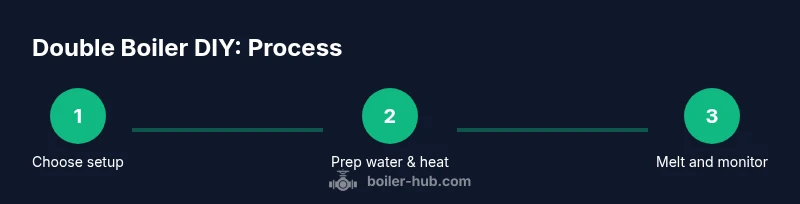
There are two widely used configurations for a double boiler diy. The traditional, true double boiler uses a separate top pot or insert that sits directly over a pot of simmering water. The second option is a makeshift double boiler: a heat-safe bowl or metal cup sits in a larger pot with a small amount of simmering water, ensuring water never touches the bowl. The first option offers better heat transfer and stable support, while the makeshift version is accessible with common kitchen items. In both cases, the secret is indirect heat: steam warms the top vessel, not direct contact with hot liquid. Consider your stove strength, the sizes of your pots, and how often you’ll use the setup when choosing which route to take.
Temperature control techniques: staying in the safe zone
Gentle, steady heat is the core of a successful double boiler diy. Aim for a simmer in the bottom pot, not a rolling boil. Use a digital thermometer to monitor the top vessel’s contents, keeping target temperatures aligned with your recipe or task. For chocolate, aim for 45-50°C (113-122°F) to melt smoothly, then pause or reduce heat if the temperature creeps up. For custards and emulsions, maintain modest heat and frequent stirring to prevent scorching and separation. If your top vessel shows signs of overheating, lift it briefly off the heat or add a splash of liquid to restore calm. Regular stirring helps distribute heat evenly and avoids dense pockets that can scorch.
Common mistakes and troubleshooting: quick fixes
Most issues in a double boiler setup come from heat being too high, the top vessel not fitting securely, or water levels being too low. Common troubleshooting steps include topping up the bottom pot with simmering water, adjusting the heat to maintain a gentle steam, and ensuring the top vessel remains above the water line. If you notice scorching, lower the heat further and consider increasing stirring frequency. If the top vessel touches water, remove it immediately and reassess the setup. Inconsistent results often stem from using inappropriate cookware or failing to pre-warm components; pre-heating helps stabilize temperatures and prevents sudden temperature shocks.
Maintenance and cleaning: keep it lasting longer
After each use, let components cool completely before washing. Use warm, soapy water to cleanse the top vessel and bottom pot; avoid abrasive scrubs that could scratch surfaces. Dry thoroughly to prevent corrosion, especially on metal parts. Regularly inspect for cracks, warping, or damaged seals. If you use aromatics or acidic ingredients, rinse promptly to avoid staining or residue that can affect future performance. Store components in a dry, organized space to preserve fit and stability for your next batch of double boiler diy projects.
Practical uses and recipes and safety boundaries
Beyond melting chocolate or custards, a double boiler diy is useful for tempering chocolate, making ganache, preparing hollandaise, or gently reheating sauces without breaking emulsions. It’s also a handy tool for heating bath oils or making fragrant syrups. When using the setup for edible applications, ensure all equipment is food-safe and cleaned thoroughly before and after each use. For non-edible tasks or chemical experiments, ensure you follow appropriate safety guidelines and consult more detailed references if needed. The key is to maintain control of temperature, minimize direct heat, and practice consistent stirring.
Sourcing and budget considerations: get the right balance
A true double boiler can be assembled with a dedicated top pot and a matching bottom pot, but a makeshift option using a heat-safe bowl also works well. Your budget will primarily impact the quality of pots, lids, and the top vessel. Prioritize heat-safe materials that distribute heat evenly and are easy to clean. If you cook or work with delicate ingredients frequently, investing in a sturdy stainless steel setup may pay off in reliability and longevity. Remember that the goal is consistent, indirect heat, not pricey gear.
Summary: setting up, using, and maintaining a double boiler diy
By selecting safe materials, ensuring a stable setup, and maintaining gentle heat, you can achieve reliable results with a double boiler diy. Practice with simple tasks first to calibrate your heat control and gradually tackle more demanding recipes or projects. With care, your equipment will perform consistently and last for many batches of delicate heating tasks.
Tools & Materials
- Heavy-bottom pot (3-4 quart)(Sturdy base for even heat distribution; avoid warped bottoms)
- Heat-safe top vessel (pot insert, metal bowl, or small saucepan)(Should fit snugly over the bottom pot without tipping)
- Digital thermometer (instant-read)(Prefer stainless probe for food safety and accuracy)
- Silicone spatula(Non-reactive and heat-resistant; for gentle stirring)
- Tongs or oven mitts(Needed to handle hot pots safely)
- Water for simmering(Fill bottom pot to about 1/3–1/2 full; avoid boiling away completely)
- Measuring cups and spoons(Helpful for precise portions and recipes)
- Lid for bottom pot (optional)(Can help maintain steady steam when simmering)
- Kitchen timer(Keep tasks within safe time windows to avoid overheating)
Steps
Estimated time: 30-60 minutes
- 1
Assemble the two-pot setup
Place the heavy-bottom pot on the stove and position the top vessel above it. Ensure there is enough clearance so steam can rise freely and the top vessel does not touch the bottom pot.
Tip: If the top vessel rims rub against the bottom pot, consider using a small rack or trivet to lift it slightly. - 2
Add water to the bottom pot and bring to a simmer
Pour enough water to create steady steam without overflowing the top vessel. Heat on medium until you see gentle bubbles forming around the edges.
Tip: Keep a close eye on water level; add a splash of water if it drops too low during long melts. - 3
Place ingredients in the top vessel
Add your chocolate, custard base, or other ingredients to the top vessel. Do not let water touch the top surface.
Tip: Pre-warm ingredients to reduce temperature shock and ensure even melting. - 4
Monitor temperature and stir regularly
Use the thermometer to track the top contents; maintain a gentle heat to avoid scorching. Stir frequently with a silicone spatula.
Tip: Keep heat low enough that you can barely maintain a simmer; slow and steady wins the race. - 5
Adjust heat and finish the task
Gradually adjust heat as the recipe requires, adding more liquid if needed to prevent sticking. Finish when the desired texture or temperature is reached.
Tip: If you notice separation or clumping, remove from heat and whisk quickly to re-emulsify. - 6
Cool, clean, and store
Turn off heat, remove top vessel safely, and allow contents to cool before cleaning. Clean promptly to prevent residue buildup and corrosion.
Tip: Dry thoroughly and store components in a dry area to prevent rust or mold.
Questions & Answers
Is a double boiler diy setup suitable for all recipes?
A double boiler helps with delicate sauces and emulsions, but some recipes benefit from direct heat or alternative equipment. Start with small tests to gauge responsiveness.
It's great for delicate tasks, but not every recipe needs it.
What temperatures should I target with a double boiler?
Keep heat gentle; avoid a rolling boil. For chocolate, stay around 45-50°C (113-122°F) and adjust based on your recipe.
Heat should stay low and steady; test with a thermometer.
Can I substitute a bowl inside a larger pot for a DIY double boiler?
Yes, as long as the water level stays below the top vessel and the top bowl never touches water. Elevate if needed for clearance.
A bowl-in-pot setup works with proper clearance.
What materials should I avoid for the top vessel?
Avoid direct contact with acidic foods using aluminum, and avoid non-heat-resistant plastics. Use stainless steel, glass, or heat-safe ceramic.
Stick to safe metals or glass for best results.
Is a thermometer essential for a double boiler diy?
A thermometer improves reliability by tracking exact temperatures, but you can manage with careful observation for simple tasks.
Helpful but not mandatory if you’re comfortable estimating.
Watch Video
Key Points
- Set up a stable, indirect-heat system
- Maintain gentle simmer and monitor temps
- Use food-safe materials and clean thoroughly
- Stir regularly to prevent scorching and separation
- Inspect equipment after each use to extend life