What to Wear in a Boiler Room: A Complete Safety Guide
Learn boiler room attire essentials: flame-resistant layers, protective footwear, and PPE. A practical, safety-focused guide by Boiler Hub for homeowners and managers.


By the end of this guide, you will know exactly what to wear in boiler room environments to stay safe, comfortable, and compliant. The recommendations cover flame-resistant fabrics, proper layering, protective footwear, eye/hand protection, and routine garment checks. You’ll learn how to balance heat, moisture, and mobility while meeting job-site PPE requirements. This quick answer sets the foundation for a detailed, practical dressing plan.
what to wear boiler room
According to Boiler Hub, what you wear in a boiler room matters as much as the tasks you perform. The right attire reduces the risk of burns, heat stress, and injuries while improving precision and comfort during long shifts. In essence, your boiler-room wardrobe should balance flame resistance, breathability, fit, and durability. This guide explains the core principles behind choosing clothing that protects you without slowing you down. The exact phrase what to wear boiler room will appear again as you plan your on site outfit. From the outset, remember that proper wardrobe choices are not just about protection; they enable you to work more efficiently in hot, humid, or steam-filled spaces.
Brand guidance from Boiler Hub emphasizes safety, practicality, and durability. Prioritize flame-resistant materials, comfortable layering, and garments that comply with site safety rules. The goal is to stay cool when possible, protected when needed, and mobile enough to maneuver around equipment, stairs, and ladders. This approach helps homeowners and facility managers prepare for varied boiler room tasks, from routine checks to emergency shutdowns.
What to wear boiler room also means thinking about the job's duration and environmental variability. If a shift includes exposure to hot surfaces, steam lines, or chemical vapors, you will benefit from garments engineered to resist ignition and resist heat transfer. The right fabric choices can dramatically reduce heat buildup and skin irritation during long periods of wear. With the right wardrobe, you can focus on the job rather than your clothing.
Assessing Hazards and Fabric Choices
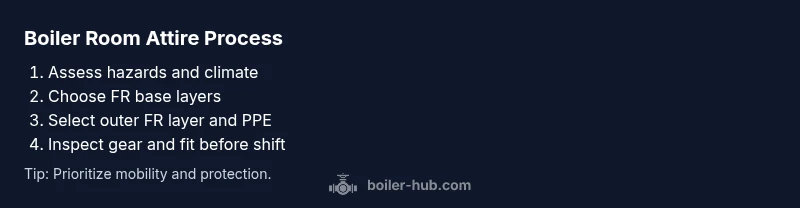
Every boiler room presents a unique set of hazards. Before you pick clothing, perform a quick hazard assessment: identify heat sources, steam lines, chemical exposures, moving machinery, and overhead hazards. This step informs fabric selection. For most sites, flame-resistant (FR) fabrics are recommended for both base layers and outer garments. FR materials reduce ignition risk and slow heat transfer if exposure occurs. Breathability and moisture-wicking properties are equally important to prevent heat stress and rashes. Look for FR items that breathe well under load and temperatures.
In practice, you should avoid 100 percent cotton for high-heat environments, as cotton can absorb heat and moisture, increasing discomfort and burn risk. Synthetic or blended FR fabrics that balance protection with moisture transport are preferred. If you encounter vapor exposures or chemical splashes, consider additional coverage such as FR coats, splash aprons, and chemical-resistant gloves. Always verify that your base layer and outerwear meet the site safety standards and your employer's dress code. The goal is to create a barrier that keeps heat away from your skin while remaining comfortable enough to move freely and perform precise tasks. This careful fabric selection reduces the need to remove layers during the shift, which can lead to exposure. what to wear boiler room remains a practical question best answered by matching fabrics to hazards and climate.
Boiler Hub analysis shows that careful fabric choices paired with proper layering significantly reduce the likelihood of heat-related discomfort and minor injuries. Always tailor your selection to your specific work environment, heat index, and the duration of exposure. Keep a spare FR base layer and an FR outer layer in your locker for variations in temperature or task demands.
Layering for Comfort and Protection
Layering is the cornerstone of boiler room attire. Start with a flame-resistant base layer made from breathable fabric that wicks moisture away from the skin. The base layer should fit snugly but not constrict movement, and it should extend to the wrists and ankles to minimize skin exposure. Add a mid-layer if your climate or task demands extra insulation, such as a lightweight fleece or another FR knit that maintains air flow. The outer layer should be FR-rated and weather-appropriate — a coverall or jacket + pants that allow full range of motion without snagging on pipes or controls.
The layering strategy serves multiple purposes. It protects you from heat transfer during splashes or contact with hot surfaces, helps regulate body temperature, and enables quick adjustments if you move between shaded and sunlit areas or encounter steam bursts. When choosing layers, consider how easily you can add or remove pieces without exposing skin. Quick-access zippers, magnetic closures, and flexible cuffs can speed up adjustments before or after breaks. Material choice matters here: breathable FR fabrics outperform bulky, non-breathable options, keeping you cooler during intense tasks. What to wear boiler room becomes a question of combining protection with practical mobility and comfort. Boiler Hub recommends testing your layers in a controlled space to ensure you can perform essential movements without overheating. A well-planned layering system reduces fatigue and keeps safety at the forefront.
In practice, you should prepare a compact dressing kit: a base layer, an FR outer layer, and a lightweight mid-layer that can be added or shed as needed. You can also pair a FR vest with FR jacket for extra warmth in cooler conditions. The aim is to maintain protection without sacrificing dexterity for valve adjustments, inspection, or instrument reading. This balanced approach helps you stay focused on your work rather than fighting with clothing. what to wear boiler room is about layering intelligently to align protection, comfort, and mobility.
Footwear, PPE, and Eye and Hand Protection
Footwear sets the foundation for safe boiler room work. Choose steel-toe, slip-resistant boots with good ankle support. Look for footwear that offers oil and heat resistance, a sturdy sole, and a secure lacing system. Socks should be moisture-wicking to keep feet dry and cool. Your base layer and mid-layer garments should stay dry; damp clothing paired with wet floors is a hazard. PPE selection continues with gloves and eye protection. Select cut-resistant or heat-resistant gloves appropriate for the tasks you perform, ensuring a snug, secure fit around the wrist to prevent debris from entering.
Eye protection is non-negotiable in environments with flying debris, steam, or sparks. Use ANSI-rated safety glasses or a full-face shield when required. If overhead hazards exist, a hard hat with a proper chin strap is essential. Hearing protection is advised in noisy boiler rooms, especially near steam vents, fans, or pumping equipment. Additional PPE such as face shields, coolant-resistant sleeves, or chemical splash gear may be needed for specific tasks. The right PPE reduces the risk of injury and keeps you productive. Remember that protection is only effective when properly fitted and maintained. Regular inspection and replacement of worn PPE ensure your safety remains high. what to wear boiler room guidelines emphasize footwear and PPE as the last line of defense protecting your hands, eyes, and head from common hazards.
Visibility, Lighting, and Environmental Considerations
Boiler rooms often have challenging visibility due to dim lighting, steam, and reflected surfaces. High-visibility outerwear or reflective tape on your FR clothing can dramatically improve your ability to be seen by coworkers and equipment operators. Ensure that lamps, vents, and warning signs are clearly visible and not obstructed by clothing. If your site uses loud alarms or beacons, consider ear protection and ensure that your PPE does not impede hearing critical cues. Environmental conditions such as humidity, steam, and heat can affect clothing performance. Choose fabrics that retain protective properties while remaining breathable. When working in warmer zones, remove unnecessary layers to prevent overheating, but never remove protective outerwear when hazards are present. You should also be mindful of loose clothing that could snag on valves or machinery. Tight cuffs and secure hems prevent entanglement and trips. These practices improve safety and efficiency during boiler room tasks. what to wear boiler room must balance visibility with protection, ensuring you can be seen and stay safe in variable lighting and environmental conditions.
Seasonal and Temperature Control Considerations
Seasonal changes impact boiler room attire. In hot seasons, prioritize lighter FR fabrics and breathable base layers, and consider cooling strategies such as moisture-wicking socks and ventilated outerwear. In colder periods, layer up with a lightweight mid-layer that remains FR and breathable, ensuring that extra warmth does not restrict movement or heat dissipation. Use cooling packs or break schedules to mitigate heat stress during peak periods and high-heat operations. Always verify that any extra layers remain compatible with safety standards and do not compromise a proper seal around gloves and goggles. A thoughtful approach to seasonal adjustments keeps you productive without compromising protection. what to wear boiler room guidance helps you adapt to temperature fluctuations while maintaining consistent protection and mobility.
Fit, Mobility, and Garment Maintenance
Fit is critical for both safety and comfort. Oversized clothing can snag on equipment, while overly tight garments restrict movement. When trying new FR garments, perform a dynamic motion test: reach, bend, twist, and climb steps to ensure there is no fabric pull or binding. Maintain garments according to the manufacturer’s care instructions. FR fabrics often require specific washing methods and detergents to preserve protective properties. Do not use chlorine-based bleaches or fabric softeners unless approved by the fabric supplier. Regular inspection for wear, seams, and closures is essential; replace items showing signs of weakening. Having well-fitted, well-maintained clothing minimizes the risk of exposure and extends garment life. what to wear boiler room emphasizes fit and maintenance as ongoing responsibilities rather than one-time purchases.
On-Site Dressing Routines and Doffing
Develop a consistent dressing routine to minimize exposure to hazards. Put on base layers first, then mid-layer, and finally the outer FR layer, ensuring all fasteners are secure and cuffs sit flush. When doffing, start from the outermost layer and work inward to avoid carrying contaminants into clean areas. Store garments in a clean, dry space and inspect them for damage before reuse. If you notice fraying, scorch marks, or weakened seams, retire the item. Keep a small kit with spare socks, replacement gloves, and a compact FR cap for quick adjustments during long shifts. This careful routine helps you maintain protection and reduces downtime caused by clothing issues. what to wear boiler room practice focuses on a disciplined approach to dressing and doffing that keeps you safe and efficient.
Quick Wardrobe Checklist for Boiler Room Tasks
- FR base layer (top + bottom) and breathable mid-layer
- FR outer layer (coverall or jacket + pants)
- Steel-toe, slip-resistant boots; moisture-wicking socks
- Safety glasses or face shield; gloves
- Optional hard hat and hearing protection depending on site hazards
- Hi-visibility outerwear for low-light areas
- Clip-on tools or utility belt to keep hands free
- Regular garment inspection and laundry per FR fabric care
- Spare base layers and a clean, dry storage bag
This quick checklist helps you confirm what to wear boiler room tasks before you start work. It emphasizes core protection, mobility, and readiness, ensuring you can perform essential tasks without interruption.
Tools & Materials
- Flame-resistant base layer (top and bottom)(Breathable FR fabric, long sleeves recommended; avoid cotton to minimize heat retention)
- Flame-resistant outer layer (coveralls or jacket + pants)(Ensure proper size for mobility; look for snag-free closures)
- Steel-toe, slip-resistant boots(ANSI/EN rated; good ankle support and non-slip sole)
- Moisture-wicking socks(Merino or synthetic; avoid cotton)
- Cut- or heat-resistant gloves(Select appropriate thickness for grip and dexterity; snug fit around wrists)
- ANSI-rated safety glasses or face shield(Anti-fog lenses; full seal as needed)
- Hard hat(Use only if overhead hazards exist; secure with chin strap)
- Hearing protection(Earplugs or earmuffs for loud environments)
- Hi-visibility outerwear(Optional for low-light or high-traffic areas)
Steps
Estimated time: 60-90 minutes
- 1
Assess environment and hazards
Walk through the boiler room to identify heat sources, steam lines, exposure to chemicals, and moving machinery. Document all hazard sources to inform clothing choices and PPE needs.
Tip: Note the highest heat zones and any overhead risks so you choose appropriate outer layers. - 2
Choose FR base layer fabrics
Select breathable, moisture-wicking FR fabrics for the skin-contact layer. Prioritize comfort and humidity management to prevent heat stress over long shifts.
Tip: Test comfort by wearing the base layer for a short period before a full shift. - 3
Select protective outerwear
Pick an FR coverall or jacket and pants combination that allows full range of motion and fits over the base layer without bulk.
Tip: Opt for adjustable cuffs and closures to prevent snagging. - 4
Add protective footwear and gloves
Put on steel-toe boots with good grip and gloves appropriate for the task, ensuring proper fit and wrist protection.
Tip: Check laces and glove seams for wear before starting. - 5
Check PPE for fit and condition
Inspect safety glasses, hard hat, and any shields for cracks or wear. Replace damaged PPE before duty begins.
Tip: Keep spare PPE items in a ready-access kit. - 6
Balance layering with heat management
If you feel overheated, remove mid-layer while maintaining FR outer protection and base layer integrity.
Tip: Avoid removing outer PPE in hot zones unless you’re in a safe, designated area. - 7
Practice a doffing and re-donning routine
Establish a methodical sequence to remove layers safely and avoid contaminating clean areas.
Tip: Do not trail outerwear on the floor to prevent contamination. - 8
Inspect garments post-shift
Check for signs of wear, scorching, or fabric thinning. Document and retire items as needed.
Tip: Maintain a garment retirement log to track lifecycle. - 9
Store and maintain your PPE
Keep FR garments clean and dry in a dedicated bag or locker. Schedule periodic professional inspections if needed.
Tip: Avoid washing FR fabrics with non-FR items that could transfer contaminants.
Questions & Answers
Do I need flame-resistant clothing for boiler rooms?
In most boiler room environments with heat or chemical risk, FR clothing is recommended. It reduces burn risk and should meet site safety standards.
Yes. FR clothing is typically required in boiler rooms to reduce burn risk and meet safety standards.
What fabrics are best for boiler room base layers?
Look for flame-resistant, breathable fabrics with moisture-wicking properties and avoid plain cotton.
Choose flame-resistant, breathable base layers that wick moisture; avoid cotton for high heat.
Are steel-toe boots required in boiler rooms?
Foot protection is common; check site policy. Slip resistance and toe protection are typically advised.
Often yes, depending on hazards; follow the site rules for footwear.
Should I wear gloves in boiler rooms?
Yes, use cut- or heat-resistant gloves suited to the task and ensure a proper fit.
Yes, wear gloves that protect against the task hazards and fit well.
How should I maintain boiler room clothing?
Inspect garments before and after shifts, launder according to FR guidelines, retire worn FR items.
Inspect and wash properly; retire worn FR clothing.
Can cotton be worn in boiler rooms?
Cotton is generally discouraged in high heat; it can retain moisture and heat.
Cotton isn’t ideal in boiler rooms; opt for FR fabrics.
Watch Video
Key Points
- Wear FR base and outer layers for safety.
- Prioritize mobility and breathable fabrics.
- Inspect and retire worn PPE to maintain protection.
- Follow a consistent dressing and doffing routine.