How to Register a Boiler with Gas Safe: A Practical Guide
Learn how to register a boiler with Gas Safe, what paperwork is required, and how to verify a Gas Safe engineer. This guide covers landlord obligations, CP12 certificates, and typical costs.


By the end of this guide you will know how to register boiler with gas safe through a Gas Safe registered engineer, what paperwork is required, and how to verify credentials. You’ll understand landlord obligations, the annual gas safety check, and what to expect from a Gas Safety Certificate. This quick path helps homeowners and facility managers stay compliant and safe.
What registering a boiler with Gas Safe really means
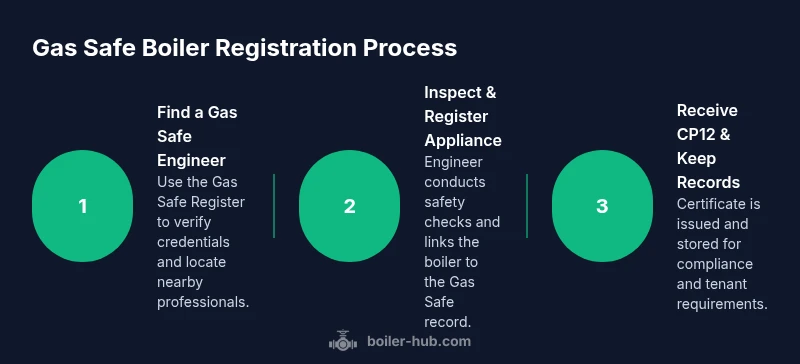
If you are wondering how to register boiler with gas safe, this overview explains the concept clearly. Registering a boiler is not a DIY task for homeowners. Gas Safe is the official UK register for gas work, and only a Gas Safe registered engineer may carry out installation, safety checks, or changes to gas appliances. The engineer records the appliance details on the Gas Safe register, attaches a unique ID to the job, and issues a Gas Safety Certificate (CP12) once the work passes safety criteria. This certificate is proof that the installation complies with current regulations and is safe to operate. For property owners, this means future inspections can be traced to a specific engineer and gas installation. Retain the CP12 as part of the property’s safety records. In short, the registration process is about safety, accountability, and proper documentation, not personal enrollment by the homeowner. According to Boiler Hub, understanding the distinction helps you coordinate with professionals and avoid non-compliant work.
As you navigate the process, remember that the goal is not merely to obtain a document but to ensure ongoing safety for occupants. The Gas Safe system creates an traceable history for every appliance, making it easier to identify what has been serviced, when, and by whom. This is particularly important in rental properties where landlords must demonstrate ongoing compliance to tenants and authorities. A registered engineer will confirm that gas pipes, flues, and appliances meet current safety standards and will explain any upgrades needed to comply with new regulations. The end result is a documented safety plan you can rely on, year after year.
Boiler Hub emphasizes that homeowners should approach registration as a collaborative process with a qualified professional. You’ll verify credentials, discuss your boiler’s age and condition, and agree on a service plan that includes periodic checks. If you only skim the surface, you risk missing critical safety updates or neglecting required paperwork. Keep communications clear, request written estimates, and ensure all steps—inspection, testing, and registration—are captured in the final CP12 certificate. By embracing a thorough, well-documented approach, you protect your property and the people who live or work there.
Tools & Materials
- Gas Safe Register verification (website or app)(Before any work, verify the engineer’s Gas Safe ID and license number on the official Gas Safe Register site.)
- Boiler make/model, serial number, and location(Record exact details from the boiler plate for accurate registration.)
- Existing CP12 or safety records(If available, have current certificates on hand to avoid duplicating checks.)
- Property address and access plan(Ensure the engineer has safe, unhindered access to the boiler area.)
- Notebook or digital device for notes(Capture observations, recommendations, and dates for future reference.)
Steps
Estimated time: Approx. 1–3 hours for a safety check and registration; longer if installation or replacement is involved.
- 1
Find a Gas Safe registered engineer
Search the Gas Safe Register for engineers in your area and check their latest status. Read reviews, confirm they carry current liability insurance, and ask for their Gas Safe ID before any visit. This step prevents rogue workers and ensures your boiler will be registered properly.
Tip: Always verify the engineer’s Gas Safe ID in person or via the official register before any gas work begins. - 2
Gather boiler details and paperwork
Collect the boiler’s make, model, and serial number, plus any existing safety certificates. Have the property address and access details ready. This information helps the engineer accurately record the appliance in the Gas Safe register and prepare a CP12 if needed.
Tip: Take clear photos of the boiler nameplate to avoid misreading model numbers. - 3
Book the service with clear scope
Contact the engineer to confirm the scope: inspection, potential repair, and registration. Agree on a price range, required work, and a projected completion time. Clear communication reduces delays and ensures the certificate is issued promptly.
Tip: Ask for a written quotation and a timeline before work starts. - 4
Allow access and prepare the site
On the day of the visit, ensure unrestricted access to the boiler, ventilation, and a safe working area. Remove obstacles and provide any required safety information to the engineer.
Tip: Ensure pets and children are out of the work area for safety. - 5
Engineer conducts safety check and registers the appliance
The engineer will test gas tightness, burner operation, ventilation, and flue integrity, then create or update the Gas Safe record with boiler details and service notes.
Tip: Ask the engineer to explain any issues and recommended actions before they sign off. - 6
Receive and review the Gas Safety Certificate
You should receive CP12 documentation showing inspection results, detected faults (if any), and compliance status. Review the document to ensure all details are correct and the appliance is listed. Keep a digital copy as well.
Tip: File CP12 securely and set reminders for annual renewals. - 7
Post-service follow-up and maintenance plan
Discuss any recommended repairs or replacements, set service intervals, and plan future checks. A proactive maintenance schedule helps prevent failures and maintains compliance.
Tip: Record service intervals in a calendar or maintenance app. - 8
If it’s a rental property, share and document
Landlords should provide tenants with a copy of the CP12 and maintain records for regulatory inspections. This demonstrates compliance and supports property safety.
Tip: Keep both tenant-facing and owner-facing copies easily accessible.
Questions & Answers
Can I self-register a boiler, or do I need an engineer?
You cannot register a boiler yourself. Only a Gas Safe registered engineer can carry out gas work and update the appliance on the Gas Safe Register. This ensures safety and compliance.
No. A Gas Safe registered engineer must handle registration and safety checks.
Is a CP12 required every year for rental properties?
For rented properties, a Gas Safety Certificate (CP12) is required annually. The certificate confirms the boiler and gas installation are safe. Landlords should keep copies for tenants and inspections.
Yes, landlords must renew gas safety annually and provide the CP12 to tenants.
What should I do if the engineer finds faults during the check?
If faults are detected, the engineer will explain the issues and provide a plan for repair or replacement. Do not operate the appliance until all faults are resolved and the system passes a recheck.
If faults are found, get a written plan for repairs and a recheck date.
How long does the registration process take from booking to CP12?
Typically, a standard safety check and registration takes a few hours on the visit day, with CP12 issued at the end if everything passes. Complex installations may take longer.
Most checks are completed in a single visit, but some installations can take longer.
What if I move house; does registration transfer with the boiler?
Registration details are tied to the appliance and the engineer. If you move, provide the new address to your Gas Safe engineer to update the record, and ensure a CP12 is issued for the new property.
When you move, have the engineer update the address and issue a new CP12 if required.
Where can I learn more about gas safety obligations?
Government guidance and Gas Safe Register resources provide in-depth details on obligations for homeowners and landlords. Start with official sites and reputable guides to understand requirements.
Check official government and Gas Safe Register resources for specifics.
Watch Video
Key Points
- Know that only a Gas Safe registered engineer can register a boiler.
- Keep and store the CP12 certificate for compliance and records.
- Verify credentials online before any gas work begins.
- Maintain a proactive maintenance plan with annual safety checks.
- Document all appliance details to ensure accurate future registrations.