Price for Gas Boiler in 2026: Costs, Quotes, and Value
Understand the price for gas boiler installations, what drives cost, how to estimate total expense, and tips to compare quotes. Includes maintenance, incentives, and budgeting guidance from Boiler Hub.


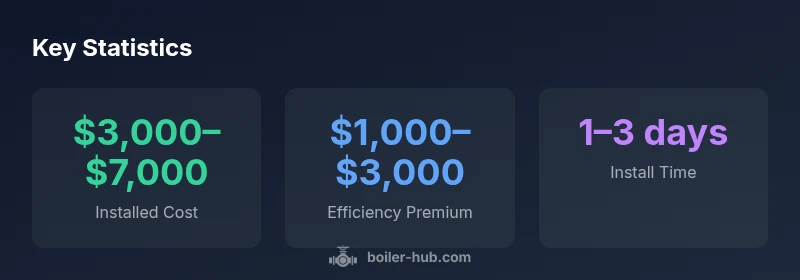
The price for a gas boiler, including installation, typically ranges from $3,000 to $7,000. For high-efficiency condensing models with proper venting and piping, costs can rise to about $8,000–$12,000 in more complex homes. Regional labor differences and permit requirements also affect total prices. This snapshot comes from Boiler Hub Analysis, 2026.
Price for gas boiler: what’s included in the sticker price
When you see a price tag for a new gas boiler, the number usually includes the boiler unit, professional installation, venting or chimney work, gas line improvements if required, removal of the old boiler, basic electrical work, initial start-up, and a standard warranty. Some quotes itemize these components; others roll them into a single lump sum. It’s essential to confirm whether taxes, disposal fees, permit fees, and any required safety tests are included. According to Boiler Hub, transparent line items help homeowners avoid surprise charges when the job begins. If a contractor omits items, request a detailed estimate to ensure all necessary work is captured.
Tip: Ask for a written scope of work that covers haul-away, disposal of old components, and the cost of any required venting upgrades. This reduces the risk of hidden charges later in the project.
Key cost drivers that influence price
Several factors determine the final price for gas boiler installation. Boiler type (condensing vs. non-condensing), AFUE efficiency, boiler size, and compatibility with existing radiant or baseboard systems shape the baseline cost. Additional costs include venting upgrades, gas line improvements, electrical work, and the complexity of piping or zone controls. Labor market conditions and regional permit requirements also sway prices. If your home requires major system reconfigurations or the removal of asbestos or lead pipes, anticipate higher labor and disposal costs. By understanding these drivers, homeowners can tailor their bids and avoid overpaying for features they don’t need.
- Boiler efficiency affects upfront price but can lower long-term energy bills.
- System complexity (zones, radiant heat, or indirect water heaters) raises installation time and cost.
- Permit and inspection fees vary by locality and can be substantial in some regions.
- Venting and chimney work are critical cost drivers in retrofit projects.
Boiler type and efficiency: how they affect price
Gas condensing boilers, which recover heat from exhaust, generally cost more upfront but deliver higher annual energy savings. Non-condensing models have lower initial prices but higher operating costs. The efficiency rating (AFUE) matters: higher AFUE typically correlates with a higher purchase price. In practice, the difference between mid-range and top-tier condensing units can be several hundred to a few thousand dollars, depending on size, installation challenges, and warranty options. For many homes, the energy savings from a higher-efficiency boiler justify the extra upfront cost over the equipment’s lifespan, especially in climates with long heating seasons. Boiled down: upfront price and long-term operating costs are tightly linked to efficiency choices.
Regional cost differences and permitting
Costs can swing significantly by region due to differences in labor rates, material availability, and permit requirements. Some municipalities charge inspection fees or connect usage fees that add to the total upfront price. In areas with robust codes for gas safety and venting, expect a higher price tag for compliance work. Conversely, regions with streamlined permitting or bundled utility incentives may offer lower effective costs. Boiler Hub’s regional analysis for 2026 shows that price dispersion can be as much as a few thousand dollars between bordering markets, underscoring the value of obtaining multiple, geographically diverse quotes when planning a gas boiler replacement.
How to estimate your total cost before buying
A reliable cost estimate blends a solid boiler quote with anticipated ancillary costs. Start with three detailed bids that include: unit cost, labor, venting/electrical work, permits, disposal, new piping or radiators if needed, and a contingency (typically 10–15% of the total). Request a breakdown with line-item pricing for the boiler, accessories, and service plan. Factor in possible rebates, tax credits, and utility incentives that can offset the upfront price. Use a checklist to verify what is and isn’t included in each proposal. Having a comparable, itemized view helps you negotiate confidently and avoid buyer’s remorse.
Hidden costs and extras to budget for
Hidden costs often surface later if you don’t plan ahead. Common examples include: venting upgrades or replacements, chimney relining, gas line updates, permit fees, disposal of the old boiler, new condensate lines, and potential electrical work for controls and zone thermostats. If your current system requires a relocation of appliances or increases in water-heater capacity, add corresponding costs. It’s prudent to build a small contingency into your budget for unexpected problems that arise once the old unit is removed and the workspace opens up for installation.
Maintenance, service contracts, and long-term costs
Beyond the initial installation, ongoing maintenance affects the total ownership cost. Regular servicing can extend boiler life, optimize efficiency, and reduce the risk of breakdowns. Service plans often cover annual inspections, parts discounts, and prioritized repair scheduling. While some homeowners skip service contracts to save money, failure to maintain a gas boiler can void warranties and lead to more expensive repairs. Boiler Hub recommends budgeting for routine maintenance as a core part of total cost of ownership and energy savings.
Financing options and incentives
Financing can ease the upfront burden of a gas boiler replacement. Many manufacturers and installers offer 0% or low-interest loans, and some utilities provide rebates for upgrading to high-efficiency units. Local and federal energy programs may offer tax credits or incentives, though eligibility varies by year and region. When evaluating financing, compare total costs, interest rates, and any required maintenance commitments. A thoughtful financing plan can improve cash flow while you realize energy savings over time.
Brand reliability and value: why price isn't the only factor
Price is a key factor, but reliability, service availability, and warranty terms matter just as much. Selecting a reputable installer with factory-trained technicians can reduce risk and extend equipment life. The lowest upfront price may come with higher long-term costs due to frequent repairs or shorter boiler life. Boiler Hub emphasizes that evaluating track records, warranty coverage, and service options is essential to maximize value. A sound decision balances price, performance, and ongoing support.
Comparative overview of common gas boiler types
| Boiler Type | Estimated Lifespan | Typical Efficiency (AFUE) | Notes |
|---|---|---|---|
| Gas condensing boiler | 15–25 years | 90–98% | High efficiency; requires proper venting |
| Non-condensing gas boiler | 12–15 years | 80–85% | Lower upfront cost; higher operating costs |
| Combination boiler (combi) | 12–15 years | 85–95% | Compact; serves heating and hot water; may limit flow |
Questions & Answers
What is the typical price to install a gas boiler?
Installation costs for a gas boiler vary by region and system complexity, but a typical installed price falls within a broad range of several thousand dollars. Factory efficiency, venting requirements, and existing piping influence the final bid. Always secure a written, itemized estimate to compare apples-to-apples.
Installation costs vary by region and setup; obtain several written quotes to compare items and ensure all components are covered.
Does price vary by boiler efficiency (AFUE)?
Yes. Higher-efficiency boilers cost more upfront but offer lower operating costs over time. The initial premium is often offset by energy savings in climates with long heating seasons. Weigh upfront cost against likely annual savings when choosing AFUE.
Higher efficiency costs more upfront but often saves money on heating bills in the long run.
Are rebates or incentives available for gas boiler upgrades?
Many regions offer rebates or incentives for high-efficiency boilers. Availability varies by year and location. Check with local utilities and national energy programs and factor potential incentives into your total cost when evaluating bids.
Check with utilities and energy programs for rebates; incentives vary by location and year.
How long does installation typically take?
Most boiler installations take one to three days depending on existing system scope, venting needs, and any required electrical or radiative upgrades. Complex retrofits can require longer lead times for permits and inspections.
Most installs take 1–3 days, depending on the setup and permits.
Is replacement-near-me a good way to find pricing?
Nearby replacement quotes can help, but regional differences matter. Compare multiple contractors within a reasonable radius and ensure they assess your home’s specific needs. Don’t rely on a single price; use a detailed comparison.
Get several local quotes to account for regional differences and project specifics.
What maintenance is required after installation?
Most gas boilers benefit from annual professional maintenance, which helps maintain efficiency and extend lifespan. Regular servicing typically includes safety checks, burner cleaning, and system calibration. Consider a maintenance plan to avoid costly failures.
Annual professional maintenance keeps your boiler efficient and reliable.
“Price is only one piece of the picture—reliability, efficiency, and service life should guide your choice as much as the sticker price.”
Key Points
- Know the price range before shopping
- Factor efficiency and long-term savings into value
- Get multiple, itemized quotes for accurate comparison
- Budget for hidden costs and possible permits
- Consider financing and utility incentives