Can a Boiler Be Fitted in a Loft? A Practical Homeowner's Guide
Discover if a boiler can be installed in a loft, with planning steps, safety checks, and professional guidance from Boiler Hub. Learn about ventilation, regulations, and practical alternatives.


Short answer: yes, a boiler can be fitted in a loft, but only with careful planning, proper ventilation, and compliance with gas-safety and building regulations. Loft installations demand adequate headroom, weatherproof access, a dedicated flue route, and a qualified gas-safe engineer. This guide outlines what you need to know before you begin.
Loft suitability and planning
If you are considering can boiler be fitted in loft, start with a frank assessment of your loft space. Not all lofts are suitable for boiler installation. The space must be large enough to accommodate the unit and its clearance requirements, with safe, level access for installation and future servicing. Headroom should be sufficient for a technician to work safely, and there must be a stable surface to mount the boiler and any ancillary components. In addition, you’ll want to ensure that the loft floor can bear the weight of the boiler and associated equipment without compromising structure. Think about insulation, moisture, and heat transfer as these factors influence boiler efficiency and fuel use. A well-planned loft installation minimizes heat loss and reduces the risk of frost damage to pipes during cold weather. Throughout the process, remember the keyword: can boiler be fitted in loft, so you stay aligned with the intent of this guide and your search.
description
Tools & Materials
- Gas-safe registered engineer(Must hold current competence certificate to install and sign off on safety checks)
- Loft access ladder or sturdy hatch(Safe entry/egress for equipment and technicians during installation)
- Measuring tape and laser measure(To confirm headroom, clearance around joists, and flue route)
- Flue routing materials (per manufacturer)(Exact components, extensions, and seals specified by boiler model)
- Ventilation/combustion air provisions(Adequate external air supply or purpose-built inlet grills per code)
- Insulation and loft boarding materials(Protect boiler components and improve overall energy efficiency)
- Carbon monoxide detector and fire alarm(Comply with safety standards and insurance requirements)
Steps
Estimated time: 2-4 days
- 1
Assess loft suitability
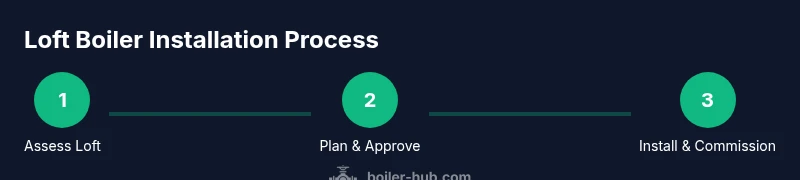
Begin with a thorough space check: ceiling height, floor strength, access, and a feasible route for the boiler and flue. Confirm that there is a clear path from the boiler location to the outside for any flue or exhaust components. This step sets realistic expectations and helps you decide if loft installation is viable.
Tip: Measure every critical clearance point and sketch a simple layout to visualize working space. - 2
Consult regulations and permissions
Loft boiler installation is governed by gas-safety and building regulations. Speak with your local authority if unsure about permissions; in many cases, you must use a Gas Safe registered engineer and comply with Part L (energy efficiency) and Part J (ventilation and flues).
Tip: Document all approvals and keep copies of compliance certificates for insurance. - 3
Choose boiler type and flue solution
Select a boiler type that suits loft installation—typically a compact condensing boiler with a vertical flue or a side/flue routing solution. Evaluate whether a combi or system boiler best fits your heating and hot water needs, and verify that the chosen flue route meets distance and ventilation requirements.
Tip: Ask the installer to show a model-specific flue diagram before purchasing. - 4
Plan ventilation and combustion air
Ensure the loft has adequate combustion air. If the space relies on loft ventilation, you may need dedicated air vents or a controlled intake to prevent poor boiler performance. Poor ventilation can lead to incomplete combustion and safety risks.
Tip: Avoid enclosing the boiler in sealed cupboards without a tested air supply. - 5
Prepare loft space and access
Create a stable, level mounting surface and ensure there is safe access for installation equipment. Board the loft as needed and protect adjacent insulation from damage. Plan for temporary protection during out-of-hours work.
Tip: Use non-slip mats and guard edges to reduce fall hazards for crew. - 6
Install flue, venting, and condensate drainage
Install the boiler flue in a manner that exhausts safely to outside. Include condensate drainage lines and ensure they run to a suitable drain. All joints must be sealed and tested for leaks to maintain efficiency and safety.
Tip: Verify clearances from walls, ceilings, and any combustible materials. - 7
Connect services and commissioning
Connect gas, water, and electricity with a Gas Safe engineer on site. Once connected, commission the boiler and run safety tests to verify the system is operating correctly and within permitted noise and emission levels.
Tip: Request a full commissioning report and teach-yourself post-install safety checks. - 8
Test safety devices and alarms
Test carbon monoxide detectors, smoke alarms, and boiler safety devices. Ensure alarms are audible from typical living spaces and located so they can be easily accessed by occupants.
Tip: Set up a maintenance reminder to check devices annually. - 9
Plan ongoing maintenance
Schedule regular annual servicing with a Gas Safe engineer. Loft installations may require more frequent checks in early months to ensure stability and consistent performance.
Tip: Keep a maintenance log and store it with boiler documentation. - 10
Evaluate alternatives if loft is unsuitable
If space, ventilation, or access constraints are insurmountable, explore alternatives such as ground-floor installation, cupboard placement, or external boiler options.
Tip: Compare long-term running costs and reliability across options before deciding.
Questions & Answers
Can a boiler be fitted in a loft?
Yes, a boiler can be fitted in a loft, but it requires careful planning, proper ventilation, and compliance with gas-safety regulations. A qualified installer must assess space, flue routing, and access for maintenance.
Yes, loft installation is possible with the right checks and a Gas Safe professional.
Do loft installations require planning permission?
Most loft boiler installations do not require planning permission, but they must comply with building regulations and gas-safety requirements. Always check local guidance and obtain necessary approvals if in doubt.
Usually not, but you must follow building regulations and use a Gas Safe engineer.
What are the main safety concerns with loft boilers?
Key concerns include adequate ventilation, correct flue routing, safe access for servicing, and proper detection of CO with alarms installed. Regular maintenance reduces risk of leaks or malfunction.
Ventilation, flue routing, and alarms are the big safety concerns to manage.
How long does installation typically take?
Installation duration varies with space, accessibility, and boiler type, but a typical loft install can take several days from planning to commissioning.
It often takes a few days, depending on space and access.
What maintenance is required after loft installation?
Schedule annual servicing with a Gas Safe engineer, keep safety alarms tested, and maintain clear access to the boiler for future servicing.
Annual service and keeping alarms up to date are essential.
Are there loon alternatives if loft space is unsuitable?
Yes. Consider installation on a ground floor, in a dedicated cupboard, or using an external boiler option if space or safety constraints are insurmountable.
Alternative placements can offer safer, easier access.
Watch Video
Key Points
- Assess loft suitability before committing to installation
- Follow gas-safety and building regulations to protect occupants
- Choose boiler and flue solutions compatible with loft constraints
- Ensure adequate ventilation and combustion air for safety
- Use a Gas Safe engineer and maintain proper documentation
- Consider alternatives if loft access or space is inadequate