Boiler Sight Glass Replacement: A Step-by-Step Guide
Learn how to safely replace a boiler sight glass with proper seals, tools, and best practices. This guide covers preparation, part selection, step-by-step instructions, safety, and maintenance tips for reliable boiler readings.


Boiler sight glass replacement involves isolating the boiler, safely depressurizing, and installing a new sight glass with proper seals. Gather the replacement glass, gasket, sealant, and basic hand tools, then follow the steps to prevent leaks and ensure accurate water level readings. Confirm model compatibility first. This article from Boiler Hub provides practical guidance.
What is a boiler sight glass and why replacement matters
A boiler sight glass is a transparent tube or window on the boiler that lets you visually confirm the water level. When the level is correct, the glass remains clear; when it’s low or cloudy, it signals potential problems. Over time, seals can wear, glass can become etched, and mounting surfaces can corrode. Regular inspection reduces the risk of overheating, boiler damage, and dangerous pressure buildup. In many residential and light commercial systems, the sight glass is a critical indicator for safe operation. Boiler Hub emphasizes that accurate readings depend on clean seating surfaces and proper seal alignment. Regular maintenance—and timely replacement when necessary—helps prevent costly downtime and hazardous situations.
For homeowners, understanding the role of the sight glass helps you plan maintenance windows and communicate with technicians effectively. Always consult your boiler’s manual for recommended part numbers and tolerances. If your unit is older, a retrofit sight glass or a modern viewing port may be recommended by a service professional. Remember: visual checks are quick, but proper replacement requires careful preparation and compliance with local safety rules.
Boiler Hub analysis, 2026, highlights that routine inspection is a cornerstone of safe boiler operation and longer equipment life. Keeping a clear, intact sight glass supports accurate readings, better water level control, and consistent boiler performance.
Safety and preparation before replacement
Safety comes first when handling any boiler maintenance task. Begin by turning off the boiler and the electrical supply, then locate and follow lockout-tagout procedures. Allow the system to cool completely; opening fittings while hot can cause scalding or steam burns. Use a pressure gauge to verify there is no residual pressure in the line before you begin, and have a dry run in mind for space around the sight glass so you can work without knocking other components. Wear PPE: protective gloves, eye protection, and a long-sleeve shirt. Prepare a drain pan and absorbent rags to manage any incidental spills. If you are unsure about the procedure, consult a licensed technician. Following these steps reduces risk and sets the stage for a safe replacement.
Assessing replacement vs. cleaning: when to swap
Not every cloudy sight glass means it must be replaced. If the glass is scratched, cracked, or the seals show wear, replacement is generally the safer choice. Minor clouding may be resolved with a careful cleaning of the glass and seating surfaces, but deep pitting or corrosion on the mounting flange indicates a replacement is prudent. Check for gasket degradation or glue/crystal buildup around the threads. If the boiler has experienced repeated leaks at the sight glass, new gaskets and a fresh installation are typically needed. Boiling down the cost-benefit, replacement often prevents recurring leaks and preserves performance.
Boiler Hub’s guidance suggests evaluating the cost of continued repairs against a proper replacement to avoid recurring downtime and unsafe readings.
Tools, parts, and materials checklist
Before you start, verify you have the correct size replacement sight glass that matches your boiler model. Gather a gasket, thread sealant compatible with boiler fluids, antiseize or lubricant for threads, a wrench set, screwdrivers, pliers, a drain pan, rags, and a flashlight for inspection. Use the manual or a parts diagram to confirm thread type and seating surface diameter. If you’re unsure, contact a dealer or service professional to confirm compatibility. Having everything ready reduces downtime and helps you complete the replacement in one session.
Boiler Hub notes that preparation is half the job; mismatched parts can lead to leaks and poor readings if installed. When selecting the glass, consider tempered or fused options for higher durability and resistance to thermal stress. The gasket should match the flange’s groove and be compatible with hot water. Carry spare seals and a small container of the appropriate thread sealant for a secure fit.
Reassembly and post-install testing: ensure a solid seal
With replacement parts on hand, begin by carefully removing the old sight glass and cleaning the mating surfaces. Install the new gasket evenly to avoid pinching and ensure a uniform seal. Thread the sight glass by hand to avoid cross-threading, then snug it with a wrench—do not overtighten, which could crack the glass. Refill the system and slowly restore pressure while monitoring for leaks. Wipe away drips and recheck the seal after the system stabilizes. Finally, observe the sight glass in operation and confirm the water level remains within the recommended range. If any leak is detected, power down and reseal or replace the gasket.
Maintenance and best practices for sight glass health
Schedule regular inspections of the sight glass and its gasket during routine boiler service. Keep the flange area clean, free of corrosion and scale, and check for any signs of wear around the glass edges. Use a compatible cleaner to remove mineral buildup without scratching the glass. If the boiler operates in a humid or dusty environment, increase inspection frequency. Document replacements and part numbers so future maintenance can be performed quickly. In cases where the glass shows persistent fogging, consider upgrading to a higher-grade sight glass with a more robust seal. Regular maintenance helps you avoid unexpected downtime and keeps the boiler running efficiently.
Tools & Materials
- Replacement sight glass (correct size)(Ensure the diameter and thickness match your boiler model)
- Gasket or seal(New gasket sized to the sight glass flange)
- Thread sealant suitable for boiler fluids(Only use sealants compatible with your system)
- Wrench set (adjustable)(For tightening fittings)
- Screwdrivers (flathead and Phillips)(For fasteners around the access panel)
- Pliers(Hold components firmly when loosening/tightening)
- Rags and drain pan(Manage spills and protect components)
- Safety gloves and eye protection(Personal protective equipment)
- Flashlight(Illumination for tight spaces)
Steps
Estimated time: 45-60 minutes
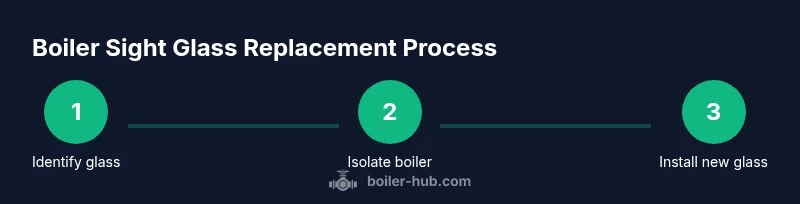
- 1
Identify the sight glass type and model
Consult the boiler manual or parts diagram to confirm the exact sight glass size, thread type, and gasket compatibility. This ensures you purchase the correct replacement and avoid cross-threading during installation.
Tip: Double-check part numbers against the boiler’s model and serial plate. - 2
Isolate and depressurize the boiler
Power down the boiler and isolate it from the electrical supply. Use the pressure gauge to verify zero pressure in the system and wait for any residual heat to dissipate before proceeding.
Tip: Never work on a pressurized boiler; a quick test with the gauge can prevent burns. - 3
Remove old sight glass and gasket
Carefully loosen the sight glass mounting hardware, detach the damaged glass, and remove the old gasket. Clean the mating surfaces with a lint-free cloth, removing mineral buildup that could affect seating.
Tip: Take care not to scratch the flange surface; any burrs can cause leaks. - 4
Inspect mounting surfaces and threads
Examine the flange for corrosion or damage. If threads or the carrier are damaged, address these issues before replacing the glass, as a poor seal will leak regardless of the new glass.
Tip: If damaged, replace the flange or consult a professional. - 5
Install the new gasket and sight glass
Place the new gasket evenly in the groove, align the sight glass, and thread by hand to avoid cross-threading. Tighten with a wrench to the manufacturer’s torque spec or until snug without over-tightening.
Tip: Cross-threading is a common cause of leaks and will require replacement. - 6
Repressurize and test for leaks
Refill the boiler and slowly restore pressure. Observe the sight glass and flange for any signs of leaking or seepage. Wipe away drips and recheck after system stabilization.
Tip: Allow the system to reach normal operating conditions before final checks. - 7
Verify water level accuracy
With the system steady, confirm the water level aligns with the recommended range on the sight glass. This ensures the boiler operates safely and avoids dry-firing or overheating.
Tip: If readings drift, recheck seals or consider replacing the sight glass again. - 8
Document and clean up
Record part numbers, replacement date, and any observations for future service. Clean the work area and dispose of any waste per local regulations.
Tip: Keep maintenance records for compliance and easier future maintenance.
Questions & Answers
What is a boiler sight glass?
A boiler sight glass is a transparent viewing tube on the boiler that shows water level, helping operators ensure safe and correct operation. It can help detect leaks or low-water conditions.
A sight glass is a glass tube on the boiler that shows water level to keep the system safe.
Is it safe to replace a sight glass myself?
DIY replacement can be safe if you follow proper shutdown procedures, depressurize the system, and use the correct replacement parts. If you’re unsure, hire a professional to avoid injury or damage.
It can be safe to replace if you follow safety steps and use the right parts, but consult a pro if unsure.
Are sight glasses universal across boilers?
Sight glasses are not universally interchangeable. Each boiler model uses specific size, thread type, and gasket dimensions, so confirm compatibility with the boiler’s manual or parts diagram.
Not all sight glasses fit every boiler; always verify model compatibility.
Can I replace the sight glass while the boiler is running?
No. Replace only after fully cooling and depressurizing the system to prevent burns or sudden releases of hot water or steam.
Never replace while the boiler is operating or hot.
What safety precautions should I take?
Wear PPE, ensure power is off, depressurize, and have a drain pan ready. Work in a well-ventilated area and follow local regulations.
Use protective gear and shut the system down before you start.
Do I need a professional for replacement?
If you’re unsure about compatibility, tools, or pressure safety, hire a licensed technician. Incorrect installation can cause leaks or equipment damage.
Consider hiring a pro if parts don’t seem right or if you’re unsure about safety steps.
Watch Video
Key Points
- Replace only with correct sight glass size and gasket
- Always depressurize and cool before maintenance
- Test for leaks and water level accuracy after installation
- Document part numbers and maintenance actions for records