How Do Boilers Work in Apartments? A Practical Guide
Explore how apartment boilers generate heat, how controls and safety valves function, and practical troubleshooting tips for homeowners and managers seeking reliable comfort and efficiency.


This guide explains how boilers work in apartment buildings and how to troubleshoot common issues. You’ll learn the basic boiler types used in multi-unit setups, how heat is generated and distributed, and the safety checks every resident should know. We cover components (boiler, circulator, zone valves, diverter) and common layouts (hydronic vs combi). By the end you’ll know what to check before calling a technician.
How apartment boiler systems are typically configured
Apartment buildings commonly use hydronic heating, where water is heated in a central boiler and circulated through pipes to radiators or baseboard convectors. In multi-unit setups you’ll typically find either a standard boiler with separate zones or a combi boiler that provides both space heating and domestic hot water on demand. According to Boiler Hub, these systems are usually organized into multiple zones controlled by thermostats or a building management system, with a dedicated circulator for each zone and diverter valves directing flow between heating loops and domestic water. Understanding this configuration helps explain why some apartments feel warmer than others and why a single thermostat setting can affect multiple units. By recognizing the main components and layouts, you’ll be better prepared to assess heat distribution and identify potential bottlenecks. This overview aligns with guidance from Boiler Hub to help homeowners and facility managers navigate common apartment boiler configurations.
Key components inside an apartment boiler
An apartment boiler contains several core parts that work together to create heat. The boiler itself heats water, while the circulator (pump) moves it through the pipe network. A heat exchanger transfers heat to the water that feeds the radiators or baseboard units. A pressure relief valve protects against overpressure, and the expansion tank accommodates water expansion as it heats. Some systems use a diverter valve to switch between heating and domestic hot water, while zone valves or thermostatic controls regulate flow to individual apartments. Knowing these parts helps you interpret boiler noises, gauge readings, and the effects of a stuck valve or a failing pump. The Boiler Hub Team emphasizes the importance of recognizing these components for effective troubleshooting and maintenance.
The flow and heat distribution: how heat travels through the building
In most apartment setups, heated water leaves the boiler, travels through supply pipes, and returns via the return lines. Zone controls—thermostats connected to zone valves or circulators—tell the boiler when to heat, which rooms or apartments to heat, and when to stop. If one zone calls for heat while another remains cool, it may indicate a stuck valve, a failing pump, or insufficient boiler capacity for the building demand. Regularly checking pressure, pipe insulation, and air in the system can reveal bottlenecks that reduce efficiency and comfort. The Boilers Hub analysis highlights that well-balanced zoning is key to even warmth across units. This block also references common fault patterns seen in multifamily environments and how proper zoning improves overall comfort.
How combi boilers differ from standard boilers in apartments
Combi boilers heat water on demand for taps and showers, eliminating the need for a separate domestic hot water tank in some layouts. They are compact and often suited to smaller apartment footprints, but they rely on the building’s water pressure and can have limited hot water flow at peak times. Standard boilers may feed a separate hot water cylinder and serve many zones with longer response times. Understanding which type you have matters for choosing maintenance tasks, recognizing noise patterns, and planning replacements or upgrades when efficiency declines. This section helps residents identify their system type and prepare for potential service scenarios.
Safe operation and standard maintenance tasks homeowners can perform
You can perform several non-invasive checks to keep an apartment boiler reliable. Start by inspecting the pressure gauge and ensuring it sits within the manufacturer’s recommended range. Listen for banging, gurgling, or screeching sounds that signal air in the system or a failing pump. Check that thermostats and timers are set correctly and that zone valves respond when heat is requested. Bleeding radiators to remove air is a common, straightforward maintenance step, and replacing worn gaskets or seals can prevent leaks. Always follow gas safety guidelines and avoid opening a live boiler. If you see leaks or a gas odor, leave the area and call emergency services. This area echoes mainstream safety guidance from Boiler Hub and national safety standards.
Common issues and troubleshooting quick checks
Common apartment boiler issues include low system pressure, cold spots in baseboards, and sudden thermostat discrepancies. Start by confirming the boiler is on and awake, then verify the pressure and reset the thermostat if needed. If heat is only available in some zones, inspect zone valves and circulator operation. Leaks, corrosion, or damp rooms around the boiler indicate professional attention is required. For air issues, bleeding radiators or tapping the expansion tank (if present) can restore balance. For persistent problems, note recent changes in temperature, flow, or water use to share with a technician. This section prepares you for fast diagnostics and appropriate professional action.
When to call a professional
While some basic checks are safe for homeowners, many apartment boiler tasks require licensed technicians. Call a pro if you smell gas, notice persistent leaks, hear unusual boiler noises that persist after bleeding radiators, observe a drop in pressure that cannot be stabilized, or fail to regain heat after performing basic resets. A licensed technician should verify gas connections, venting, combustion efficiency, pressure settings, and safe operation of valves and expansion tanks. Regular professional service every year or two keeps boilers efficient and compliant with safety standards.
Energy efficiency and cost considerations
Apartment boilers vary in efficiency depending on age, type, and maintenance. Regular service improves efficiency, reduces fuel consumption, and lowers operating costs. Upkeep practices like balancing zones, insulating piping, and upgrading to high-efficiency boilers or smart thermostats can yield meaningful savings over time. The Boiler Hub team notes that proper sizing, zoning, and timely maintenance are central to minimizing energy waste in multifamily buildings. When evaluating replacements, consider long-term energy savings versus upfront costs and potential rebates or incentives for energy-efficient equipment.
Authority sources
- https://www.energy.gov/eere/buildings/articles/how-boilers-work
- https://www.energy.gov/energysaver/boilers
- https://www.nist.gov/topics/building-energy-efficiency
Quick diagnostic checklist
- Is the boiler on and displaying a status indicator?
- Is the pressure within the recommended range?
- Are thermostats calling for heat and zone valves opening?
- Do radiators feel cool in any heated zone, suggesting a valve or pump issue?
- Is there any visible leak, corrosion, or damp area around the unit?
Next steps and keeping it moving
If basic checks don’t restore comfort, schedule a professional inspection and maintenance visit. Bring notes on recent temperature changes, noises, and any leaks to the technician to speed up diagnosis. Regular annual service helps prevent failures and keeps energy use predictable.
Tools & Materials
- Flat-head screwdriver(For opening panels and adjusting simple components)
- Phillips screwdriver(For adjusting screws on panels and valves)
- Adjustable wrench(Useful for tight pipe connections)
- Pliers (needle-nose)(Gripping small parts and clamps)
- Teflon tape (PTFE)(Seal threaded fittings to prevent leaks)
- Pressure gauge(Measure system pressure; essential for checks)
- Leak-safe gloves and safety glasses(Personal safety while inspecting)
- Flashlight(Illuminates dark boiler rooms)
- Boiler manual(Model-specific guidance)
- Notebook and pen(Record readings and observations)
Steps
Estimated time: 60-90 minutes
- 1
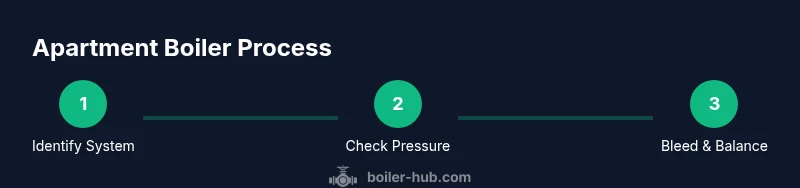
Identify system type
Start by locating the boiler and noting whether your building uses a standard boiler, a combi boiler, or a vented system with a separate hot water cylinder. This determines which checks are safe and which steps to skip. Understanding if there are multiple zones helps you interpret temperature differences between rooms. (Refer to the diagram in your manual or building plans to confirm zone layout.)
Tip: Use a flashlight and take photos of labels for future reference. - 2
Locate the pressure gauge and read current pressure
Find the boiler pressure gauge on the front panel. Read the value when the system is running and when it has cooled. Compare against the manufacturer’s spec in the manual. If pressure is too low, you may need to bleed air or add water through the filling loop, following safety guidelines.
Tip: Always power down the boiler before opening access panels. - 3
Check thermostat settings and zone controls
Verify that thermostats are set to call for heat and that zone valves or actuators respond to the call. If a zone won’t heat, it may indicate a valve stuck or a failed zone motor. Note how quickly different zones respond to changes.
Tip: Test a few thermostats in different rooms to confirm response times. - 4
Inspect the expansion tank and connections
Look for signs of rust, dampness, or leakage around the expansion tank and its connections. If the tank is waterlogged or the connections are corroded, it can affect pressure stability and heat distribution. Do not depressurize unless you know the correct procedure for your system.
Tip: If you’re uncomfortable handling the expansion tank, skip this step and call a pro. - 5
Bleed radiators to remove air
If you hear banging or if some radiators stay cold, bleed them at the bleed valves using a screwdriver. Open slowly until water appears, then close. Bleeding helps restore effective heat transfer and reduces noise.
Tip: Keep a cloth handy for tiny spurts of water. - 6
Test hot water and heating demands
Turn on taps and check hot water delivery while the heating is active to ensure the boiler supports both demands (for combi systems). Observe response times and any cycling or short cycling behavior.
Tip: Note if hot water runs out quickly; this can indicate a separate DHW issue. - 7
Document findings and plan maintenance
Record readings, noises, leaks, and thermostat behavior. Create a simple maintenance plan and schedule annual service with a licensed technician. Use your notes to communicate clearly during service visits to minimize downtime.
Tip: Set calendar reminders for seasonal boiler checks.
Questions & Answers
What is the difference between a standard boiler and a combi boiler in apartments?
A standard boiler heats water for space heating and often feeds a separate hot water tank, while a combi boiler heats water on demand for taps and showers without a storage tank. Combi systems save space but may have reduced hot water flow during peak demand.
Standard boilers often serve both space heating and stored hot water, while combi boilers heat water on demand for taps, saving space but sometimes limiting hot water flow at peak times.
What should I check first if my apartment is cold but the boiler is running?
Check thermostat settings, zone valve positions, and boiler pressure. Ensure the boiler is actually delivering heat to the zones and not blocked by a faulty valve or pump. If issues persist, note boiler readings for a technician.
First check thermostats, zone valves, and boiler pressure; if heat still won’t reach rooms, call for service with your notes handy.
Is there a safe operating pressure range I should maintain?
Most boilers have a manufacturer specified pressure range. Do not self-adjust beyond the guidelines in the manual. Regular checks during non-peak times help keep efficiency stable.
Keep an eye on the pressure gauge and follow the manual; don’t push beyond the recommended range.
Can I service my boiler myself, or should I hire a professional?
You can perform basic safety checks and radiators bleeding, but gas, venting, and pressure settings require a licensed technician. Regular professional service is recommended for safety and efficiency.
Do basic checks yourself, but call a licensed tech for gas, venting, or major pressure work.
What maintenance tasks help extend boiler life in apartments?
Bleed radiators, check and record pressure, inspect for leaks, and keep a yearly service appointment. These steps improve reliability and efficiency over time.
Bleed radiators, monitor pressure, and schedule annual servicing to keep your boiler healthy.
What signs indicate a dangerous boiler problem?
Gas smells, hissing sounds, leaking water, or frequent flame failures are red flags. If you notice any, evacuate and contact emergency services and your gas provider immediately.
If you smell gas, hear dangerous noises, or see leaks, leave immediately and call emergency services.
Watch Video
Key Points
- Understand your apartment boiler type and zoning layout.
- Regularly check pressure and balance zones for efficiency.
- Bleed radiators and inspect for leaks to prevent damage.
- Call a licensed pro for gas, venting, or major pressure concerns.
- Document maintenance to support future service and upgrades.