Does Boiler Work in Power Cuts? A Practical Guide for 2026
Learn whether your boiler runs during a power cut, what parts fail without power, and practical backup options. Boiler Hub analysis, 2026. Guidance for homes.


If you’re asking does boiler work in power cut, the short answer is: not reliably. Most boilers need electricity for ignition, controls, and the circulating pump. A backup power source like a generator or UPS can restore function for a limited time, but without power most heating will halt. Boiler Hub highlights the importance of planning ahead.
Does boiler work in power cut
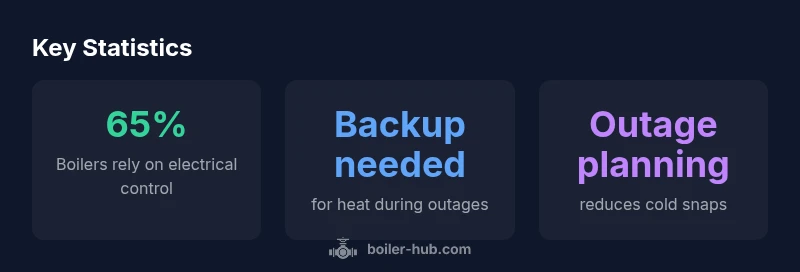
When homeowners ask does boiler work in power cut, the answer hinges on the boiler’s design and the house’s backup power. In most modern systems, electricity powers the ignition, the control electronics, and the circulating pump. Without those elements, the boiler simply won’t start or continue circulating heated water. The Boiler Hub team notes that understanding a system’s power needs is essential for outage planning. If you are managing a home or building, map out which components absolutely require power and which can be bypassed with alternative heat sources. This is not about predicting a single outage, but about creating a robust plan that minimizes heat loss when the grid goes down.
In practice, does boiler work in power cut depends on whether the system has a standby power path. For many gas boilers with electronic ignition, a power cut stops ignition and pumping unless a backup is engaged. For those with standing pilots, basic heat may be possible, but circulating hot water generally requires power. If your boiler is connected to a generator or a battery backup, it may operate intermittently during an outage. It’s wise to consult your installer about your specific model and emergency power options. A simple outage map, noting which parts can run on backup and which cannot, gives you actionable clarity when a power cut occurs.
Boiler Hub’s analysis emphasizes proactive planning. Homeowners should assess the risk: how long outages typically last in your area, whether a generator is feasible, and how heat loss translates into outdoor temperatures and insulation quality.
Power needs: ignition, controls, and pumps
A boiler’s power requirements span several critical components. The ignition system may be electronic or standing-pilot, but most modern setups rely on an electric supply to ignite and verify flame. The control board governs thermostat signals, safety interlocks, and sequencing of the circulation pump. Without power, even a gas boiler that has a hot gas supply cannot circulate water to radiators. If an outage occurs, you may feel the cold in the living spaces before backup power can re-establish heat.
There are exceptions. Some boilers are paired with battery backups or dedicated circuits that keep essential controls alive for a short window. In buildings with multiple zones, the loss of one pump can stall heat distribution to entire floors. When planning, review the electrical requirements for each boiler zone and confirm whether a backup path exists for those critical loads. These checks dramatically improve resilience to power cuts and align with Boiler Hub’s recommended maintenance practices.
Boiler types and electricity: new vs legacy models
Understanding whether does boiler work in power cut depends on boiler type. Newer combi and system boilers tend to rely on electronic ignition and powered pumps, making them sensitive to power cuts. Older boilers with standing pilots can sometimes emit some heat when gas is present, but they still depend on electricity for safety sensors and circuit boards. If your building operates a legacy boiler, a long outage could lead to a cold home even if the gas supply remains on. Boiler Hub recommends evaluating whether upgrading or augmenting with a backup power source makes sense for your home or facility, especially in regions prone to outages. The investment should consider not just comfort but safety and operational reliability during cold snaps.
Not all older models fail in a power cut; some simply reduce performance. The key takeaway is to confirm the exact model’s preserved functions during outages with your installer and to consider a backup strategy that preserves essential heating and hot water.
Backup power options you can rely on
There are practical routes to keep a boiler functioning during a power cut. A portable generator sized for your boiler’s electrical draw can restore ignition and pump operation, at least for the duration of the outage. Some households install an uninterruptible power supply (UPS) for the boiler controls; this won’t power the entire heating system for long, but it can bridge the gap during brief outages. If you want a more permanent solution, a dedicated transfer switch and a standby generator provide a more robust, code-compliant approach. Consider also battery-backed smart thermostats that preserve settings, reducing heat loss when power is restored. When planning backups, balance cost, expected outage duration, and safety considerations such as safe ventilation for generator use and CO monitoring. Boiler Hub suggests a staged approach: small, economical backups for controls first, with larger backups for pumps and valves if justified by risk and climate.
Smart preparations: reducing reliance on power
Preparation matters. Insulation, air sealing, and efficient radiators reduce heat loss and lessen the burden on a boiler during outages. A well-sealed home retains heat longer, allowing a backup system more time to restore full heating. Simple measures like curtains, door sweeps, and pipe insulation can save significant energy during a cold spell. For facilities with multiple boilers, staggered backup strategies reduce peak electrical load during a power cut and allow quicker restoration of service to occupied zones. Boiler Hub recommends conducting a periodic outage drill: simulate a power cut, test backup equipment, and verify that critical zones stay above comfortable temperatures. The result is practical knowledge you can act on before the next outage occurs.
When power returns: post-outage checks and restart
After a power cut ends, restarting a boiler isn’t always automatic. Some models require manual reset after a power outage to ensure ignition and safety sequences are functioning correctly. Check for error codes and reset according to the manufacturer’s instructions. Inspect the boiler and nearby safety devices: clear vents, verify the flue is unobstructed, and confirm that gas supply valves are in the correct position. If you use a generator or UPS, inspect electrical connections for arcing or loose wires before powering up. Boiler Hub emphasizes cautious re-lighting procedures and, if any doubt remains, calling a qualified technician is prudent. A rapid check of the system’s performance helps prevent nuisance outages and potential safety issues as soon as power is restored.
Safety, maintenance, and long-term resilience
Safety is non-negotiable when planning for power cuts. Ensure generators are installed with proper ventilation to avoid CO buildup, and install CO detectors near living areas. Schedule regular boiler maintenance to keep ignition and safety interlocks reliable, especially in homes with intermittent power. Maintenance visits should verify that safety valves, pressure relief, and controls operate correctly, even when power fluctuates. Boiler Hub’s approach combines routine servicing with a practical contingency plan so you aren’t left in the cold when the lights go out.
Final practical note: tailor plans to your climate and system
Every home’s power-cut experience is unique. In milder climates, you may tolerate short outages with minimal backup; in harsher environments, investing in a robust backup solution becomes essential. Work with a qualified boiler technician to inventory your components, calculate expected electrical loads, and design a backup strategy that balances cost, reliability, and safety. The central question remains: does boiler work in power cut depend on how you plan and what backup you deploy. The Boiler Hub team recommends starting with a simple power-off readiness checklist and building up to a full outage plan that fits your building’s needs.
How power cuts affect boiler components and backup options
| Aspect | Boiler Type | Power Requirement | Backup Options |
|---|---|---|---|
| Ignition method | Electronic ignition with fan | Electricity needed for ignition and sensors | Generator or UPS backup for ignition |
| Circulation pump | Typically powered pump | Mains power required to circulate water | Backup pump power if available |
| Thermostats & controls | Digital programmable controls | Power-dependent electronics | Backup power for control circuits |
Questions & Answers
Will a boiler turn on during a power cut?
Most boilers need electricity for ignition and pumps. Without power, they won’t start. A backup power source can restore operation for a limited period.
Most boilers won’t start in a power cut unless you have backup power.
Can I run my boiler on a generator?
Yes, if your generator is properly sized for the boiler’s electrical load and installed safely with proper ventilation and transfer switches.
You can run the boiler on a generator if safety and sizing requirements are met.
Do older boilers work in power cuts?
Some older boilers with standing pilots may produce heat briefly, but most still require electricity for controls and safety systems.
Older boilers may produce heat briefly, but usually need power for controls.
How can I stay warm during an outage?
Use portable heaters where safe, seal leaks, add insulation, and implement backup power for essential zones. Have alternative heat sources if no backup is available.
Keep warm with safe portable options and insulation; plan for backup power if possible.
Should I keep my boiler powered during a power cut?
Only if you have a reliable backup power plan. Without backup, running the boiler risks safety and may not work.
Only back up the boiler if you have a dependable power source.
What maintenance helps during outages?
Regular servicing ensures ignition, valves, and safety interlocks function when power returns. Plan follow-ups before severe outages occur.
Regular maintenance helps when power returns; don’t skip annual service.
“Understanding your boiler's electrical needs is crucial for outage planning; even with a power backup, a minor fault can interrupt heating. Proactive planning is essential.”
Key Points
- Identify your boiler’s power needs and plan a backup.
- Modern boilers rely on electricity for ignition and circulation.
- Backup power expands outage resilience, not guarantees continuous heat.
- Regular maintenance improves outage reliability.
- Install safety measures when using generators or UPS systems.