Viessmann Boiler Service Guide for 2026
A practical, step-by-step guide to Viessmann boiler service for homeowners and facility managers. Learn scheduling, maintenance checks, safety, and how Boiler Hub ensures quality and reliability.


This guide helps you plan and perform Viessmann boiler service safely and effectively. You’ll learn essential tools, what a professional checks during a service, and how to recognize warning signs. The steps cover preparation, inspection, and post-service verification to ensure reliability and efficiency.
What is Viessmann boiler service and why it matters
Viessmann boiler service refers to a scheduled maintenance and inspection process conducted by a qualified technician to ensure your Viessmann boiler operates safely, efficiently, and reliably. Regular servicing helps maintain peak combustion efficiency, reduces the risk of unscheduled breakdowns, and can extend the life of critical components like the burner, heat exchanger, and controls. According to Boiler Hub Team, regular Viessmann boiler service can catch issues before they lead to costly repairs, protect your home from CO risks, and sustain energy efficiency over time. Homeowners and facility managers should treat service as a preventative investment rather than an emergency fix. A well-maintained boiler also tends to run quieter and produce steadier hot water output, contributing to occupant comfort and energy savings. When you see signs of trouble, a prompt service can prevent further damage and downtime. If your system is still under warranty, confirm that service intervals align with the manufacturer’s terms to avoid potential warranty pitfalls.
When to schedule Viessmann boiler service
Most Viessmann boilers benefit from an annual service, but there are factors that can necessitate more frequent checks. Prior to the heating season, after a long idle period, or following a significant weather event are common triggers for service. If your boiler is older or has seen heavy use, you may want to schedule biannual inspections to maintain performance and safety. Signs that you should book a service soon include rising fuel bills without a clear cause, unusual burner color (orange or yellow flames instead of a clean blue), odd banging or popping noises, frequent pressure drops, or intermittent ignition failures. For facilities with high demand, it can be prudent to align service timing with facility maintenance windows to minimize disruption. Boiler Hub analyses emphasize that proactive scheduling generally yields fewer emergency visits and more consistent boiler performance over time.
Pre-service safety and preparation
Before a service appointment, prepare a quick checklist to maximize the technician’s time. Ensure access to the boiler room, clear vent paths, and provide the model number and any recent service records. Note any observed issues, such as leaks, soot buildup, or strange smells. Do not attempt to adjust gas pressures or tamper with safety devices yourself. Turning off equipment and exposing electrical connections should only be done by a trained technician. Have a plan for occupants who rely on the boiler for heat or hot water in case of a short service window. By preparing properly, you help the technician diagnose problems faster and reduce the risk of misinterpretation during diagnostics.
Routine maintenance checklist for Viessmann boilers
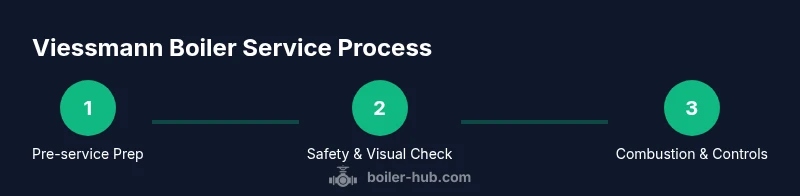
A standard Viessmann service typically includes several core checks. The technician will inspect the boiler cabinet and venting, verify gas supply pressure and combustion efficiency, and test safety devices such as the high-limit thermostat and pressure relief valve. Electrical connections and control wiring are examined for wear, corrosion, or loose terminals. The technician may also inspect the heat exchanger for signs of scale or corrosion, verify the system pressure, and inspect the expansion tank if applicable. Condensate drainage, flue integrity, and burner alignment are evaluated to ensure optimal combustion. Depending on the model, additional checks may include pump performance, pipe insulation, and refrigerant or coolant status for certain Viessmann configurations. Routine maintenance also involves cleaning or replacing accessible filters and checking the overall thermal performance.
Common service tasks performed on Viessmann boilers
During a Viessmann service, you can expect a sequence of common tasks. Eventual ignition adjustments are made to improve startup reliability. The gas train, igniter, and flame sensor are tested, and any faulty parts are flagged for replacement. Combustion analysis with a flue gas analyzer, if available, helps verify CO2 levels, excess air, and overall efficiency. The thermostat, outdoor reset controls, and user interface are calibrated for accurate temperature control. The condensate trap is checked to prevent backups, and the venting system is examined for blockages or leaks. If corrosion, leaks, or worn components are detected, the technician will advise on necessary replacements and provide a maintenance plan to keep the system running safely and efficiently.
Flue and venting considerations for Viessmann boilers
Proper venting is essential for safe, efficient boiler operation. A blocked or corroded flue can cause poor combustion, backdrafting, and CO risks. A Viessmann service includes inspecting the flue terminal for obstructions, verifying the continuity of venting, and ensuring there are no leaks around joints or seals. The technician may check the flue gas temperature and draw to confirm proper venting performance. If venting appears compromised, the technician will recommend remediation, which could involve cleaning, sealing, or, in more serious cases, replacing sections of venting. Regular vent inspection reduces the likelihood of dangerous buildup and helps maintain consistent boiler operation.
Ignition, burner optimization, and combustion efficiency
A critical portion of Viessmann service focuses on ignition reliability and burner efficiency. The technician will test the ignition sequence, verify the burner alignment, and adjust gas-air mixing as needed. Combustion analysis provides insight into whether the boiler meets manufacturer specifications and local codes. If the combustion is off, it can lead to higher fuel consumption and excessive white smoke or sooting. Adjustments should be performed only by qualified technicians with proper equipment. After adjustments, the burner will be re-tested to confirm stable operation, safe ignition, and proper flame color. This step directly impacts energy efficiency and long-term boiler health.
Troubleshooting before a service visit
If you observe minor issues before a service, document what you see: dates, symptoms, and any audible or olfactory cues. Common at-home checks include verifying that the thermostat is responsive, ensuring the radiator circuits are balanced, and confirming there are no obvious leaks. Do not attempt to disassemble sealed components or bypass safety devices. For urgent concerns like gas odor, hissing sounds, or alarms, evacuate the area and contact emergency services. Recording symptoms with timestamps helps the technician reproduce the issue and identify root causes faster during the service.
How Boiler Hub approaches Viessmann boiler service
Boiler Hub recommends a structured approach to Viessmann boiler service that emphasizes safety, transparency, and long-term reliability. We encourage homeowners and facility managers to partner with qualified technicians who follow Viessmann’s recommended service intervals and local regulations. A thorough service should include diagnostic checks, preventive maintenance, and clear post-service documentation. Boiler Hub’s guidance also highlights the value of keeping a service log, noting equipment serials, replacement parts, and performance metrics to support warranties and future diagnostics. This methodical process helps ensure that your Viessmann boiler remains safe, efficient, and dependable year after year.
Safety considerations and gas safety reminders
Gas-fired boilers present risk if not serviced properly. Always work with qualified technicians who hold the appropriate certifications for gas work and safety compliance. If you detect gas odors, evacuate immediately and contact the gas emergency line in your region. Regular servicing includes checking for CO risks, ensuring proper venting, and verifying CO detectors are functional. Homeowners should monitor secure access to the boiler room and maintain a clear, well-ventilated space. These practices minimize hazards and promote safe, uninterrupted heating.
Tools & Materials
- Service toolkit (insulated screwdriver set, adjustable wrench, pliers)(Include non-sparking tools and a manometer if testing pressure)
- Digital manometer or pressure gauge(For measuring system pressure and gas pressure if applicable)
- Multimeter (voltage tester)(To check electrical components and ignition circuit)
- Flue gas analyzer(If available, helps verify combustion efficiency)
- Owner’s manual and Viessmann service/maintenance guide(Model-specific steps and safety precautions)
- Personal protective equipment (PPE)(Gloves, eye protection, and hearing protection as needed)
Steps
Estimated time: 90-120 minutes
- 1
Shut down systems and verify safety
Power down the boiler and isolate the gas supply following the manufacturer’s shutdown procedure. Use lockout-tagout if required and confirm there are no live electrical components exposed. This step prevents accidental ignition or electrical shock during inspection.
Tip: Double-check the thermostat is set to 'off' and wait 5 minutes for residuals to clear. - 2
Inspect external condition and access
Examine the boiler cabinet, flue, and around the unit for signs of corrosion, leaks, soot, or unusual noises. Ensure the area is clear of clutter that could impede service or airflow. Document any physical damage for replacement recommendations.
Tip: Look for condensate puddles near the trap and report any damp spots immediately. - 3
Check system pressure and water levels
Measure boiler pressure when the system is cold and compare to the manufacturer’s recommended range. Inspect the expansion tank if present and ensure there are no visible water leaks around seals or fittings. Incorrect pressure can cause cycling issues and reduced efficiency.
Tip: Record baseline readings to compare after service. - 4
Test safety devices and controls
Test the pressure relief valve, high-limit cutoff, and thermostat controls to verify proper operation. Ensure there are no faults indicated by diagnostic lights or error codes. If faults appear, note them for the technician.
Tip: Never bypass safety devices—document faults and defer to the technician. - 5
Inspect venting and flue integrity
Check the venting system for obstructions, corrosion, loose joints, and proper termination. A blocked or leaky vent can cause dangerous backdrafting and CO risks. Repair or replace any compromised sections as recommended.
Tip: If you observe a visible crack or rust on the vent, flag it immediately. - 6
Assess combustion and burner components
If you have the tools, verify burner alignment and ignition sequence. A proper flame should be blue with a stable, steady burn. Use a combustion analyzer if available to confirm CO2 levels and excess air are within spec.
Tip: Schedule combustion analysis with a professional if you’re unsure about readings. - 7
Clean or replace accessible parts
Clean air and combustion-related components as allowed by the model. Replace filters if present and clean condensate traps. Avoid forcing parts or applying cleaners to sensitive electronics.
Tip: Keep a replacement parts list handy for quick future service. - 8
Test operation and document results
Restore power and gas supply, then run a full heat cycle. Observe startup, steady cycling, and heat delivery. Record readings and any fault codes for the final report.
Tip: Provide the technician with your pre-service notes to help diagnose issues faster. - 9
Schedule follow-up or parts replacement if needed
If issues persist or parts wear is detected, plan for timely replacement. Create a maintenance plan with recommended intervals and check-ins to maintain efficiency.
Tip: Maintenance plans should align with warranty and local codes.
Questions & Answers
What is included in a Viessmann boiler service?
A Viessmann boiler service typically includes safety checks, a visual inspection, combustion analysis, burner and ignition checks, venting assessment, and documentation of findings. Replacements are recommended if wear or faults are detected.
A Viessmann boiler service includes safety checks, combustion analysis, and a full inspection with recommended replacements if needed.
How often should I service a Viessmann boiler?
Most Viessmann boilers benefit from an annual service, with additional checks if the system is older or heavily used. Always follow the manufacturer’s guidance and local regulations.
Most Viessmann boilers should be serviced annually, with more frequent checks for older or heavily used systems.
Can I perform Viessmann boiler service myself?
While basic maintenance like cleaning accessible components can be done by a confident homeowner, gas safety, burner adjustments, and vent integrity require a licensed technician. Always prioritize safety and code compliance.
Some basic tasks are okay, but most service work must be done by a licensed professional.
What are warning signs that my Viessmann boiler needs service?
Look for rising heating bills without a clear cause, soot or yellow flames, unusual noises, frequent cycling, or leaks. If you observe any of these, book a service appointment promptly.
If you see soot, odd noises, or rising bills, schedule service soon.
How do I choose a qualified Viessmann service provider?
Select technicians with Viessmann training or certification, proper gas safety credentials, and clear warranties on workmanship. Verify references and ensure they follow local codes and safety standards.
Choose a certified technician with Viessmann training and good references.
Does service affect warranty or energy efficiency?
Regular, manufacturer-approved service helps preserve warranty coverage and can sustain higher operating efficiency by keeping the ignition and combustion in good condition. Review your warranty terms for specifics.
Regular service helps maintain warranty validity and efficiency, per the manufacturer's terms.
Watch Video
Key Points
- Schedule annual Viessmann boiler service for reliability.
- Use a qualified technician for all gas and safety tasks.
- Document readings and replacements for future service.
- Check venting and combustion to maintain efficiency.
- Boiler Hub recommends a structured, transparent service process.