How to Keep Your Furnace from Rusting: A Practical Guide
Learn how to keep furnace from rusting with moisture control, surface prep, and protective coatings. This expert guide from Boiler Hub covers rust sources, preventive steps, and maintenance routines to extend furnace life.


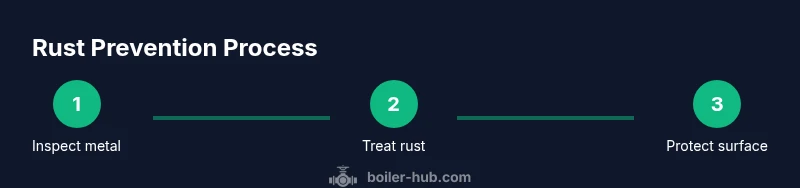
To prevent furnace rust, start with moisture control, regular inspection, and protective coatings. Turn off power and gas before work, clean rust spots, apply rust converter, and finish with a high‑temperature anti‑corrosion paint. Improve humidity control near the furnace and schedule an annual professional check. Following these steps reduces corrosion and prolongs furnace life, according to Boiler Hub.
Why rust forms in furnaces
Furnaces are built from steel and other metals that can rust when exposed to moisture, heat, and oxygen. In many homes, the combination of humidity, condensate from cooling processes, and temperature swings around the furnace creates an environment conducive to oxidation. If you're exploring how to keep furnace from rusting, the answer lies in minimizing moisture contact, protecting bare metal, and maintaining the unit with a routine check. Rust often starts as tiny specks on a blower housing or drain pan and, if left untreated, can spread to critical components like the heat exchanger. Prolonged corrosion can compromise safety and efficiency, so early detection and preventive coatings are essential. Boiler Hub notes that simple steps like drying the surrounding area, applying protective coatings, and scheduling annual service substantially reduce corrosion risk.
Why surface protection matters for metal parts
Metal surfaces near heat sources are especially vulnerable. Protective coatings form a barrier that slows oxygen and moisture contact. For how to keep furnace from rusting, choosing the right coating is as important as applying it correctly. In practice, homeowners should focus on bare metal, weld seams, and service ports. A robust approach combines cleaning, rust treatment, and a durable finish designed for high temperatures. Boiler Hub emphasizes that prevention is cheaper than repair and can extend furnace life when done consistently.
Moisture sources around a furnace you should know
Common moisture sources include high indoor humidity, condensation on cold surfaces, leaks from nearby plumbing, and a damp basement environment. Poor drainage or a humid crawl space can raise ambient moisture levels near the furnace cabinet. For the best results, reduce humidity with a dehumidifier in the utility area and ensure proper ventilation. Small leaks or drips should be repaired promptly to prevent persistent damp conditions that promote rust.
Condensation management for gas furnaces
Gas furnaces often produce condensate if venting is blocked or the flue is cold. Condensation can collect on metal surfaces and foster rust development over time. To minimize this, ensure the condensate drain is clear, the venting is unobstructed, and the furnace room is properly heated to avoid large temperature differentials. Regularly inspecting the condensate pan and drain line helps catch problems before corrosion accelerates. These maintenance steps are part of a proactive rust-prevention plan.
Improving air flow and indoor ventilation to reduce moisture
Adequate airflow around the furnace helps prevent damp pockets where moisture accumulates. Ensure there is sufficient clearance on all sides of the cabinet and keep returns clean for efficient circulation. If the space is enclosed or poorly ventilated, consider adding a small exhaust vent or adjusting humidity controls. Good air movement reduces condensation formation and supports longer component life.
Surface prep and rust removal basics
Before applying any coating, prepare the surface properly. Start by turning off power, removing loose dust, and scrubbing away loose rust with a wire brush or steel wool. Wipe the area with rubbing alcohol or a degreaser to remove oils and contaminants. Clean, dry metal accepts coatings better and provides longer-lasting protection. Avoid painting over damp surfaces, which traps moisture and accelerates corrosion.
Choosing rust converters and primers for high-temperature surfaces
Rust converters chemically convert rust to a stable compound and prime the surface for coating. For furnaces, select products rated for high temperatures and metal substrates similar to your unit. Follow product instructions for surface prep, cure times, and safety precautions. Some units warrant specific primers; verify compatibility with your furnace model to protect warranties while preventing rust.
High-temperature paints and protective coatings: application tips
Apply a thin, even coat of high-temperature anti-corrosion paint after treating rust. Follow the manufacturer’s temperature rating (often 200–600°F) and allow adequate curing time between coats. In colder climates or damp environments, two coats may be necessary for durable protection. Use light passes if spraying or longer strokes for brush applications to avoid runs and incomplete coverage.
Humidity control and moisture management around the furnace area
Place a dehumidifier or desiccants in the utility space to maintain lower humidity, especially in basements or crawl spaces. Check humidity levels with a hygrometer and aim for conditions that minimize condensation on metal surfaces. Regular maintenance of this environment reduces the ongoing risk of rust near critical components.
Seasonal maintenance: a rust-prevention checklist you can use annually
Create a seasonal routine that includes inspecting for rust, cleaning the cabinet, reapplying protective coatings as needed, and verifying condensate drainage. Schedule a professional inspection yearly to catch issues early. A consistent routine is the keystone of long-term protection and dependable furnace operation.
When rust flags a bigger problem: safety and warranty considerations
Visible rust may indicate deeper corrosion that can affect heat exchangers or structural integrity. If you notice extensive rust, loud strange noises, or fumes, stop using the furnace and call a licensed technician. Rust problems can impact warranties and safety, so timely professional assessment is essential to avoid hazards.
Common mistakes to avoid and best practices for ongoing protection
Avoid painting over damp surfaces or skipping surface prep—these mistakes shorten coating life. Don’t ignore condensate drips or humidity spikes. Always follow label directions for temperature, cure times, and recoat windows. The best practice is a documented maintenance plan that includes visual checks, cleaning, corrosion protection, and annual professional service.
Tools & Materials
- Circuit breaker or furnace switch (power off)(Shut off power before any work)
- Safety gloves(Heat-resistant and chemical-resistant)
- Safety goggles(Eye protection during cleaning and painting)
- Dust mask(Protect from dust and fumes)
- Wire brush(Scrape loose rust and debris)
- Steel wool pads(Finish prepping rough patches)
- Rubbing alcohol or degreaser(Clean oils and residues)
- Lint-free cloths(Dry and wipe surfaces)
- Rust converter(Convert rust to a stable surface)
- Primer (if using rust converter)(Optional if recommended by converter)
- High-temperature anti-corrosion paint(Choose rated for furnace temps)
- Paintbrush or spray applicator(Even coverage, avoid drips)
- Drop cloths or plastic sheeting(Protect nearby areas)
- Dehumidifier or silica gel packs(Reduce ambient moisture)
- Hygrometer(Monitor humidity near the furnace)
Steps
Estimated time: 2-3 hours
- 1
Power down and prep
Switch off the furnace at the main breaker and the dedicated furnace switch. Move nearby objects, lay down drop cloths, and ensure the area is dry. This prevents shocks and keeps dust contained while you work.
Tip: Double-check that the power is off by testing a nearby outlet or the furnace control. - 2
Inspect for rust
Carefully examine all accessible metal surfaces for rust spots, starting with the blower housing, condensate pan, and cabinet seams. Note any areas with flaking or deep pitting.
Tip: Keep a notepad to track rust spots for future monitoring. - 3
Clean rusted areas
Scrub loose rust with a wire brush or steel wool until it’s dull and stable. Wipe with rubbing alcohol to remove oils and oxidation residues, allowing a clean surface for treatment.
Tip: Avoid harsh scrapers that could gouge metal; gentle abrasion works best. - 4
Apply rust converter
Spread a thin layer of rust converter on affected areas and allow the prescribed cure time. This step neutralizes rust and prepares the surface for coating.
Tip: Follow the product’s ventilation guidance when applying in enclosed spaces. - 5
Prime and seal (if required)
If your converter requires priming, apply a compatible primer and let it dry fully before painting. Priming improves adhesion and longevity of the finish.
Tip: Test a small area first to ensure compatibility with your converter and paint. - 6
Paint with high‑temperature coating
Apply a thin, even coat of high‑temperature anti‑corrosion paint. Allow curing per label directions and add a second coat if recommended for durable coverage.
Tip: Use even strokes or light, short sprays to avoid runs and ensure complete coverage. - 7
Address condensate and moisture
Check and clear the condensate line, ensure proper drainage, and set up humidity control in the surrounding area to minimize moisture exposure.
Tip: Place a dehumidifier or desiccant packs where humidity spikes are common. - 8
Reassemble, test, and document
Turn power back on, run the furnace briefly to confirm normal operation, and note any lingering rust or moisture issues for future visits.
Tip: Keep a maintenance log and note when coatings were last reapplied.
Questions & Answers
What causes rust on a furnace?
Rust on a furnace typically results from moisture exposure, heat cycles, and oxygen reacting with untreated metal. Condensation and leaks can accelerate corrosion, especially on exposed cabinet, drain pans, or seams.
Rust on a furnace is usually caused by moisture plus heat cycling. Watch for condensation and leaks, and address them early.
Is rust on furnace dangerous?
Visible rust can indicate deeper problems like weakened metal or compromised components. If rust is extensive or near critical parts like the heat exchanger, call a licensed technician promptly.
Rust can signal serious issues, especially if near the heat exchanger. If in doubt, contact a pro.
Do rust inhibitors work on furnaces?
Rust inhibitors can be helpful on mild surface rust, but for most furnaces, pretreatment with rust converter and high-temperature coatings provides better long-term protection.
Rust inhibitors can help, but for furnaces, rust converters and coatings are usually more effective.
Can painting the furnace stop rust permanently?
Painting can significantly slow rust progression but is not a permanent fix. Regular reapplication and moisture control are required to maintain protection.
Paint slows rust but needs maintenance over time.
When should I call a professional about furnace rust?
If you notice deep rust, bubbling paint, significant corrosion, or signs of leaks near the heat exchanger, stop using the unit and contact a licensed HVAC technician.
Call a pro if you see serious rust or possible leaks; it could be hazardous.
Will rust prevention affect furnace warranties?
Many manufacturers require using approved coatings and following maintenance schedules. Check your warranty terms and consult the installer before applying coatings.
Check warranty terms; some coatings may affect coverage.
Watch Video
Key Points
- Prevent rust with moisture control and surface protection.
- Prepare surfaces thoroughly before coating for lasting protection.
- Use high-temperature coatings and monitor humidity in furnace area.
- Document maintenance and schedule annual professional inspections.