Where Is the Boiler Room NYC? Practical Guide for Buildings
Discover where NYC boiler rooms are typically located, how to safely access them, and the regulations that govern these essential spaces. A practical guide by Boiler Hub for homeowners and facility managers.


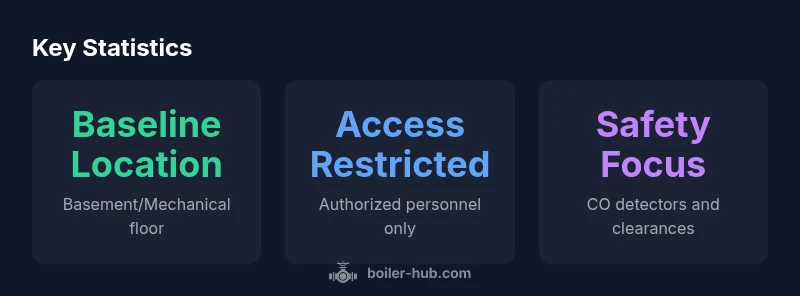
In most NYC buildings, the boiler room is located in the basement or sub-basement; larger high-rise structures may use a dedicated mechanical floor. Access is usually restricted to licensed personnel or building staff, with clear signage directing authorized entry. This quick guide explains common layouts and safety considerations relevant to where is boiler room nyc.
Why the boiler room location matters in NYC buildings
Understanding where is boiler room nyc is more than curiosity; it affects safety, maintenance efficiency, and regulatory compliance. In New York City, the location of a building's boiler room determines how technicians access essential equipment, how heat and hot water are distributed, and how quickly staff can respond to emergencies. According to Boiler Hub, most boiler rooms are positioned to minimize disruption to occupiable spaces while maximizing serviceability and safety. The exact placement depends on building type, age, and layout, but several patterns recur across NYC structures. In older residential buildings, basements or sub-basements are common because these spaces provide direct routes for exhaust, piping, and vent stacks without intruding on living areas. In taller towers, some facilities consolidate boilers on a dedicated mechanical floor near the core, though such layouts require careful coordination with vertical shafts, fire-rated partitions, and access corridors. The location also influences ventilation strategy, combustion air supply, and the need for CO monitoring. For homeowners and facility managers, understanding these patterns supports better planning, budgeting, and safety preparedness. where is boiler room nyc
Typical locations by building type in NYC
NYC buildings vary, but several location patterns recur across residential, commercial, and institutional properties. In many older low-rise buildings, the boiler room is commonly found in the basement or sub-basement where it can connect to main steam or hot-water risers with minimal disruption to occupiable spaces. Mid-rise properties often place equipment on a dedicated mechanical floor, usually near the building core to streamline piping and vent systems. High-rise towers may consolidate boilers on a mechanical level within a central shaft or a secure floor designed for heavy equipment. Some commercial facilities opt for rooftop plant rooms when space inside the building is constrained, though this requires weatherproofing and more complex venting. Regardless of location, proper access routes, protective barriers, and clear labeling are essential for safe operation. where is boiler room nyc
How mechanical systems influence boiler room layout
Boiler room design is driven by the broader mechanical system of the building. Piping networks, hot water return lines, and steam mains must be laid out to minimize energy losses and facilitate routine maintenance. Adequate clearance around boilers, pumps, and control panels is non-negotiable for safe operation and easy service access. Ventilation must manage combustion air and exhaust effectively, while ductwork and electrical conduits should be positioned to avoid interference with critical systems. In NYC, the proximity to other utilities, fire barriers, and elevator cores can influence where a boiler room sits within the vertical stack. Building managers should plan for future upgrades by leaving space for additional boilers or expansion of supply and return networks. where is boiler room nyc
Safety and regulatory considerations in NYC boiler rooms
Regulatory compliance shapes boiler room placement and operation. NYC building codes require safe access, adequate ventilation, and proper combustion air supply, along with functional CO detectors and alarm systems. Clear signage, restricted access, and maintenance logs are standard expectations for any mechanical space. Fire-rated enclosures and separation from living areas help reduce risk to occupants during faults or fires. Regular inspections by licensed professionals are essential to verify venting integrity, gas connections, and electrical safety. While specifics vary by building type, the underlying principle is consistent: boiler rooms must support safe, reliable operation without compromising occupant safety or egress routes. where is boiler room nyc
How to identify the boiler room safely on-site
Locating a boiler room on a busy NYC property should be done with care. Look for large steel doors labeled for mechanical or boiler use and note guardrails, access-controlled panels, and heavy-gauge piping entering through a dedicated corridor. Signage will typically indicate “Mechanical Room,” “Boiler Room,” or “Heating Plant,” and floors may have a dedicated mechanical directory. In older buildings, you might find the space in the basement with visible steam or hot-water risers. Modern properties often place boiler rooms on a mechanical floor with direct vertical access to service risers. If you must enter, ensure you have authorization, wear appropriate PPE, and follow lockout/tagout procedures. where is boiler room nyc
Access protocols and maintenance roles
Access to boiler rooms is typically restricted to licensed technicians, property engineers, or authorized building staff. Maintenance planning usually occurs on a scheduled basis, with contractors required to log entries and follow lockout/tagout protocols to prevent accidental energization. Regular checks cover gas connections, burner alignment, pump performance, and control wiring. Building owners should maintain clear access routes, keep a current floor plan of the mechanical spaces, and ensure CO detectors are functional. Training for staff on emergency procedures and exit routes reduces risks during faults or incidents. where is boiler room nyc
Signs of common boiler room issues and what to do
Boiler rooms can exhibit warning signs that warrant immediate attention. Listen for unusual banging or rumbling sounds that may indicate air in the system or failing burners. Look for dripping water or visible corrosion on piping, a sudden drop in pressure, or frequent tripping of electrical breakers around the boiler area. Uneven heat distribution in the building or unexplained increases in energy bills can signal inefficiencies or failing components. If you notice any of these conditions, do not attempt DIY repairs; contact a licensed technician or building engineer. where is boiler room nyc
Practical steps for homeowners and facility managers
For building managers and homeowners, a proactive approach to boiler room locations and safety starts with documentation. Create and maintain an up-to-date mechanical room map, confirm the exact location of all boilers and control panels, and ensure access doors are secured with proper signage. Schedule annual inspections with a licensed professional and verify that CO detectors, smoke detectors, and ventilation systems are functioning. Keep maintenance logs accessible and share emergency contact information with on-site staff. When upgrading or expanding heating capacity, plan for space, ventilation, and future service access to prevent bottlenecks in essential mechanical spaces. where is boiler room nyc
Quick reference checklist for boiler room location and safety
- Locate boiler room(s) on a current building map and verify access notes.
- Check for proper ventilation, CO detectors, and alarm systems.
- Ensure doors and corridors to the space are clearly labeled and unobstructed.
- Confirm maintenance schedules with licensed technicians.
- Review compliance with NYC DOB guidelines and applicable codes.
Typical boiler room locations by building type in NYC
| Category | Typical Location | Notes |
|---|---|---|
| Residential basements | Basement or sub-basement | Common in older NYC buildings |
| High-rise mechanical floors | Dedicated mechanical floor near core | Depends on height and design |
| Commercial/industrial | Ground or rooftop access via service corridors | Size varies with demand |
Questions & Answers
Where is the boiler room typically located in NYC buildings?
In NYC, boiler rooms are usually found in basements or sub-basements, with some larger buildings using a dedicated mechanical floor near the core. Location varies by age and design but aims to optimize service access and safety.
Typically in the basement or a mechanical floor; access is controlled for safety.
Do I need a permit to access the boiler room?
Access is generally restricted to authorized personnel, such as licensed technicians or building staff. Obtain permission from building management before entry.
Access is restricted; check with building management.
What safety precautions are required near boiler rooms?
Ensure proper ventilation, functioning CO detectors, clear signage, and unobstructed egress. Do not block exhaust outlets or emergency equipment.
Ventilation and CO detectors help keep people safe.
Can residents access boiler rooms for maintenance?
Routine maintenance is typically performed by licensed professionals with scheduled access. Residents should not enter boiler rooms unsupervised.
Maintenance is usually done by licensed pros.
What regulations govern boiler rooms in NYC?
Boiler rooms are governed by NYC building codes, fire codes, and related safety regulations. Consult the DOB and a qualified professional for specifics.
Regulations are strict; consult DOB guidance.
“A boiler room's location is a critical element of the building's safety and reliability. Understanding typical layouts helps owners plan maintenance and ensure compliance.”
Key Points
- Know common boiler room locations to improve safety and maintenance planning
- Access is usually restricted to licensed personnel or building staff
- Regular maintenance and CO monitoring are essential for safety
- Signage and clear pathways reduce incident risk
- Plan for future expansion when evaluating boiler room layouts