Swamp Bucket Seafood Boiler: Outdoor Seafood Boil Guide
Learn how to safely set up and cook with a swamp bucket seafood boiler for outdoor boils. Step-by-step cooking, safety tips, and cleanup guidance from Boiler Hub to serve shrimp, crab, corn, and potatoes confidently.


Learn how to safely assemble and operate a swamp bucket seafood boiler for an authentic outdoor boil. This quick guide covers selecting equipment, preparing seafood and sides, building a safe heat source, and timing the boil for shrimp, crab, and corn. Follow practical steps, safety reminders, and cleanup tips to enjoy a flavorful, crowd-friendly feast outdoors. Whether you’re feeding a family or a crew, this guide keeps the process simple and safe, with tips for swamp conditions and portable setups.
Introduction to the swamp bucket seafood boiler
The swamp bucket seafood boiler is a portable outdoor cooking setup designed for seafood boils in non-kitchen settings. By boiling seafood, corn, and potatoes in a large bucket or stock pot, you can replicate a Cajun-style feast without a traditional indoor stove. According to Boiler Hub, safety and controlled heat are essential when cooking outdoors; the Boiler Hub team found that proper setup reduces flare-ups and ensures even cooking. The core idea is accessibility: a swamp bucket seafood boiler uses a durable vessel placed over a robust heat source, making casual gatherings and community events feasible in backyards, docks, or campsites. In this guide, we’ll cover equipment, prep, timing, safety, and cleanup to help you pull off a delicious boil with confidence. We’ll also discuss variations and how to adapt the method for swampy terrain or limited space, while keeping the core technique intact. Expect juicy shrimp, tender corn, and smoky potatoes with the right balance of spice and seasoning.
Safety First: Water, Heat, and Environment
Outdoor boils require vigilance. Always cook in an open area with good ventilation and away from dry vegetation. Use a stable, non-flammable surface and keep a fire extinguisher or a bucket of water within reach. Do not leave the pot unattended; boiling water can cause severe burns and steam can scald. For extra safety, wear heat-resistant gloves when handling the hot bucket and use long-handled tools to reduce the risk of spills. Boiler Hub recommends a conservative heat approach in breezy swamp settings, where sudden gusts can alter boil rates and flare risks. The goal is steady, controllable heat that maintains a safe boil without overreaching flame heights.
Essential equipment and the swamp setup
Starting with the right gear makes all the difference. A swamp bucket boiler or outdoor boil pot should be large enough to hold water, seasonings, and all ingredients with room to spare for rolling boil movement. Pair it with a propane burner or portable gas stove that offers steady flame, a good wind shield, and a stable base. Long tongs, a slotted spoon, and a metal thermometer help manage the cook and verify that seafood hits safe temperatures. Have a waste-water catchment container lined up for easy disposal, plus heavy-duty gloves for protection when handling hot equipment. Pre-measuring your Cajun or seaside seasoning blend ensures even flavor across the batch. Finally, stock basic cleaning supplies for an efficient cleanup after the boil.
Prepping ingredients for a swamp boil
Prepping is half the battle. Rinse shrimp, crab, or crawfish thoroughly and pat dry. Cut corn into manageable chunks and par-boil potatoes if you’re short on time. Pre-measure seasoning blends and have lemon wedges or herbs ready for bright finish. Keep seafood on ice until it’s time to add to the boil to maintain freshness and reduce risk of bacterial growth. A typical swamp bucket seafood boiler will feature layered additions—start with potatoes and corn, then add shellfish after the water returns to a boil to ensure even cooking and flavor penetration. This approach helps you avoid under- or overcooking parts of the meal while maximizing flavor extraction from the seasoning.
Heat source, water, and seasoning: building flavor
Fill your bucket with enough water to cover ingredients by about an inch, then add salt and your chosen spice blend. Bring the water to a rolling boil before introducing denser vegetables like potatoes. Maintain a steady simmer rather than a violent boil to reduce pot splashes and protect your heat source from wind gusts. If your swamp environment is windy, adjust the burner shield or relocate to a slightly sheltered area. Seasoning is key: a balanced blend of cayenne, paprika, garlic, and herbs creates a signature kick without overpowering seafood. Remember to monitor external heat and adjust as needed for a consistent boil instead of abrupt temperature swings.
Cooking timeline: adding ingredients and finishing
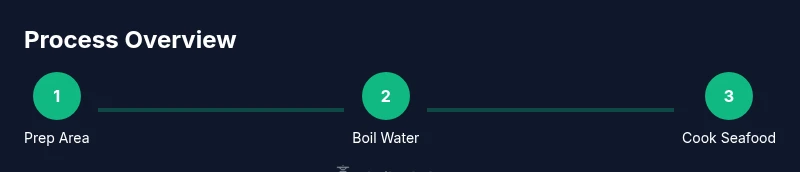
The standard sequence is potatoes, corn, then shellfish. Start with potatoes for about 8–12 minutes, then add corn for another 5–7 minutes. Finally, add shrimp or crab and cook just until the shellfish turn opaque and the meat is cooked through. Use a thermometer to confirm safe internal temperatures if you’re unsure. Keep a close eye on the clock to prevent overcooking delicate shellfish, which can become rubbery. After the boil, let the mixture rest for a few minutes to settle flavors before draining and serving with lemon, butter, and additional seasoning.
Serving, cleanup, and environmental considerations
Drain the boil carefully, spread the ingredients onto a large serving surface, and provide plenty of napkins and dipping sauces. After serving, cool the remaining liquid safely before disposing of it in a designated waste container. Clean all equipment with hot water and, if needed, a mild detergent. Do not pour used boil water back into natural water sources; dispose of it in a proper drain or landscape away from water bodies to protect local ecosystems. In swampy settings, consider minimizing waste and using biodegradable utensils and plates to reduce environmental impact. A well-planned cleanup keeps your outdoor cooking space safe and ready for the next gathering.
Variations, tips, and guest-friendly adaptations
Experiment with different seasoning blends—Cajun, Lowcountry, or Creole styles—to tailor the boil to your guests’ tastes. Add sausages, flavored butters, or citrus peels for depth, but balance is key to avoid overpowering seafood. For guests with shellfish allergies, provide a separate boil with vegetables and non-shellfish proteins. If you’re cooking in swamp conditions with limited space, consider using a compact, stackable boil setup that reduces footprint while keeping flame control intact. Always label utensils to avoid cross-use with raw seafood and ready-to-eat foods to reduce contamination risk.
Tools & Materials
- Swamp bucket boiler or outdoor boil pot(Minimum 20-24 quart capacity; heavy-gauge steel with tight lid)
- Propane burner or portable gas stove(Stable flame, wind protection; outdoor clearance required)
- Long-handled tongs and slotted spoon(For safe handling and draining)
- Metal thermometer(Monitor boil and seafood internal temps)
- Seafood boil seasoning or Cajun blend(Pre-measured blends for even flavor)
- Water catchment and waste disposal container(Safe disposal of used water)
- Heat-resistant gloves(Protection against burns when lifting hot pots)
- Heavy-duty scrubbing brush and sponge(For post-cook cleanup)
Steps
Estimated time: 60-120 minutes
- 1
Prepare the boil area and heat source
Choose a flat, open outdoor space and place the swamp bucket boiler on a non-flammable surface. Set up the burner with clearance from walls and dry vegetation. Wear heat-resistant gloves and keep a fire extinguisher nearby.
Tip: Use a wind shield or position where breeze is minimal to maintain stable heat. - 2
Gather and organize ingredients
Lay out potatoes, corn, seafood, and seasoning blends in the order you plan to add them. Pre-cut items to uniform sizes for even cooking. Keep seafood on ice until it’s time to add to the boil.
Tip: Pre-measure spices to avoid last-minute scrambling. - 3
Fill water and bring to a boil
Fill the pot with enough water to cover ingredients by about an inch. Add salt and your seasoning, then heat until a rolling boil is reached. Check internal temps of the pot with a thermometer as needed.
Tip: Don’t overfill; a crowded pot boils unevenly. - 4
Add potatoes and corn
Add potatoes first and cook 8–12 minutes, then add corn and simmer for 5–7 minutes. This sequencing ensures denser vegetables reach tenderness without overcooking shellfish.
Tip: Stir gently to prevent sticking. - 5
Introduce shellfish and finish cooking
Add shrimp or crab and cook just until opaque and firm. Shellfish cook quickly, so monitor closely to avoid rubbery meat. Use a thermometer if you’re unsure about doneness.
Tip: Remove from heat promptly to preserve texture. - 6
Rest and drain
Turn off heat and let the mixture rest for a few minutes, then drain the pot over a waste container. Transfer the boil to a serving surface and arrange with lemon wedges and butter.
Tip: Give guests time to choose portions without crowding. - 7
Serve and enjoy
Garnish as desired and offer dipping sauces. Provide plenty of napkins and encourage guests to mix flavors as they eat. Remind everyone about hot surfaces and safe handling.
Tip: Offer crusty bread or crackers to soak up extra seasoning. - 8
Clean up and dispose
Cool the equipment completely before cleaning. Wash with hot water and mild detergent, then dry to prevent rust. Dispose of used water in approved outlets and recycle utensils where possible.
Tip: Document your cleanup routine for next time. - 9
Inspect equipment and store safely
Check for wear, replace any worn gaskets or parts, and store the swamp bucket boiler in a dry place away from moisture. Keep safety gear accessible for future boils.
Tip: Create a quick maintenance checklist after each use.
Questions & Answers
What is a swamp bucket seafood boiler?
A swamp bucket seafood boiler is a portable outdoor cooker that uses a large bucket-like vessel over a heat source to boil seafood, corn, and potatoes. It’s designed for backyard, dockside, or campsite boils where indoor stoves aren’t available. The method emphasizes safe heat control and flavor extraction through a staged cooking process.
A portable outdoor seafood boil setup that uses a bucket-like pot over a burner; great for backyard or swampside cooking.
Is it safe to cook seafood outdoors with this setup?
Yes, when you follow safety practices: keep the area clear of flammables, use a non-flammable surface, monitor heat, and never leave the pot unattended. Wearing heat-resistant gloves and keeping a fire extinguisher nearby add extra safety. Always dispose of wastewater properly to protect the environment.
Yes—with proper heat control, distance from flammables, and constant supervision.
What seafood works best with swamp bucket boils?
Shrimp, crab, and crawfish are classic choices for swamp bucket boils. You can also include small lobster tails if available. The key is to add seafood in order of cooking time and avoid overcrowding, which can lead to uneven cooking.
Shrimp, crab, and crawfish are ideal; add them in order to avoid undercooked or overcooked parts.
How do I know when the seafood is cooked?
Seafood should be opaque and firm to the touch. Shrimp turn pink and curl, while crab meat becomes opaque and white. Using a thermometer can help—aim for safe internal temperatures appropriate to the protein.
Look for opaque meat and color changes; use a thermometer if you’re unsure.
What if I don’t have a swamp or outdoor area?
If you lack outdoor space, use a safe, well-ventilated patio with a sturdy heat source. Keep children and pets away from the setup. You can still achieve good results by adjusting heat levels and cooking times to indoor-appropriate safety standards.
If you don’t have swamp space, cook on a safe, ventilated outdoor patio or another suitable area.
How should I dispose of used boil water?
Dispose of used boil water in a designated drainage area or septic-friendly outlet, never into natural water bodies. Always cool the water first and follow local regulations for disposal to minimize environmental impact.
Cool it first, then dispose of it in approved outlets, not in streams or ponds.
Watch Video
Key Points
- Master safe outdoor boiling with a portable swamp bucket setup
- Plan cooking order to ensure even doneness of all components
- Use pre-measured spices for consistent flavor every time
- Prioritize cleanup to protect the environment and prevent rust
- Always supervise the boil and store equipment properly