Electric Boilers for Radiators: A Practical Homeowner's Guide
A practical, step-by-step guide to selecting, installing, and maintaining an electric boiler for radiators. Learn sizing, electrical requirements, safety, costs, and tips for efficient heating in homes without gas supply.


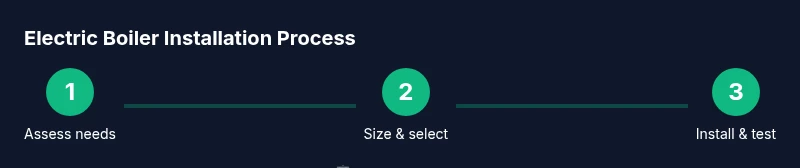
By the end of this guide, you’ll learn how to assess, select, and safely install an electric boiler for radiators, plus simple maintenance to keep it efficient. We cover sizing, electrical requirements, and realistic running costs. According to Boiler Hub, electric boilers can be a compact, reliable option for smaller homes with modest hot-water needs.
What is an electric boiler for radiators?
An electric boiler for radiators is a compact heating unit that uses electric resistance elements to heat water and circulate it through a network of radiators to warm living spaces. Unlike gas or oil boilers, it does not burn fuel on-site and does not require a flue for exhaust. This makes it an attractive option for homes without access to natural gas, for apartments with limited boiler space, or for retrofit projects where venting would be challenging. In practice, the unit connects to a dedicated electrical circuit, heats water to a programmed temperature, and pushes it through steel or cast-iron radiators. When paired with smart thermostats and zone controls, you can achieve precise comfort and energy savings. According to Boiler Hub, these systems can be especially suitable for smaller spaces with modest heating loads. Understanding how they work lays the groundwork for safe installation and reliable performance.
Benefits of electric boilers for radiators
- Simpler installation: No flue, no fuel storage, and fewer mechanical connections often shorten setup time and reduce permit requirements.
- Space-saving: Many models are compact and install in utility cupboards or closets, leaving more room for storage or insulation.
- Clean operation: Electric boilers emit no combustion byproducts, reducing indoor air quality concerns and eliminating direct CO risks when installed correctly.
- Zonal control: Built-in or compatible controls support multiple zones or smart thermostats, helping you heat only occupied rooms and reduce waste.
- Quiet operation: They run with minimal noise compared with some gas boilers or circulator pumps.
- Low maintenance: Fewer moving parts typically mean fewer service visits; annual inspections are usually straightforward.
Note that running costs depend on electricity prices and overall heat demand, so consider local rates and home insulation before committing.
Key considerations when choosing an electric boiler
When selecting an electric boiler for radiators, prioritize size, efficiency, controls, and compatibility with your home’s wiring and radiators. Key questions include: what is the unit’s nominal heat output (kW) and how does it match room heat loss? Does it feature weather compensation, time scheduling, or smart thermostat integration? Is your electrical system capable of carrying the load without tripping circuits? Look for models with high-quality electrical components and safety features such as overheat protection and a pressure relief valve. Consider future flexibility: if you plan to add radiators or integrate with another heating source, choose a boiler that can scale. Finally, review warranties and service networks since a reliable installer is as important as the boiler’s spec.
Sizing and compatible radiators
Sizing an electric boiler for radiators begins with calculating room-by-room heat loss, then selecting a unit that delivers enough warmth without overheating. Use a reputable heat-loss calculator and input factors like room dimensions, insulation level, window quality, and climate. Radiators in older homes may require adjustments or additional units to ensure even heat distribution. Ensure your piping and radiators support proper flow and return, and consider adding thermostatic radiator valves (TRVs) and zone controls to optimize efficiency. An undersized unit will run constantly and waste energy; an oversized unit will cycle on and off, shortening its life. Accurate sizing improves comfort and lowers operating costs.
Installation: electrical, permits, and safety
Electrical installation must comply with local codes and be performed by a licensed electrician. A dedicated circuit or subpanel may be required, with appropriate wiring gauge and protective devices. Before starting, obtain any necessary permits and keep the boiler’s installation manual accessible. Install the unit on a stable surface with clear access to service ports and adequate clearance for ventilation. Plan for routing cables, conduit, and surge protection if upgrading from a non-electric system. Finally, verify radiator loop integrity during commissioning and ensure all air is bled from the system to prevent cold spots.
Operation, maintenance, and safety practices
After installation, program the boiler to maintain comfortable indoor temperatures while avoiding excessive cycling. Regularly check electrical connections, test safety controls, and inspect for leaks around fittings. Bleed radiators to remove trapped air and ensure consistent heat output. Electric boilers do not burn fuel, so there is no direct CO risk, but maintain a well-ventilated mechanical room and keep flammable materials away from heat sources. If you notice tripping breakers, unusual smells, or inconsistent heating, shut down power and contact a qualified technician immediately. Document routine maintenance and keep a log of service visits for warranty purposes.
Costs, incentives, and running efficiency
Electric boilers cut fuel handling and combustion risks, but electricity prices influence operating costs. Efficiency remains high for modern electric boilers, particularly in well-insulated homes with efficient radiators. Look for models with good standby losses, good heat distribution, and features like smart scheduling to maximize efficiency. Check for local incentives, rebates, or grants for upgrading heating systems or improving home insulation. Compare total cost of ownership, including purchase, installation, maintenance, and electricity consumption, and weigh this against longer-term comfort and reliability. Choosing a solution aligned with climate, budget, and lifestyle is essential.
Authority sources
- https://www.energy.gov/
- https://www.epa.gov/iaq
- https://www.esru.strath.ac.uk/energy-resources/
Tools & Materials
- Voltage tester(Verify supply before work)
- Screwdriver set (Phillips and flat-head)(For mounting and connections)
- Wrench or adjustable spanner(Tightening fittings)
- Wire stripper/cressor(Prepare conductors)
- Electrical conduit and fittings(Protect wiring)
- Cable glands and clamps(Secure cables)
- Mounting hardware for boiler(Secure installation)
- Personal protective equipment (gloves, safety glasses)(Safety first)
- Multimeter (optional but helpful)(Voltage and resistance checks)
- Manufacturer installation manual(Refer to specs)
- Smoke and heat detectors (as applicable)(Enhanced safety)
Steps
Estimated time: 4-6 hours
- 1
Assess electrical capacity and codes
Begin by reviewing your electrical service rating and local building codes. Confirm that your panel can safely support the additional load from an electric boiler for radiators. If you’re unsure, consult a licensed electrician before purchasing a unit.
Tip: Ask for a written load calculation to avoid overloading circuits. - 2
Select a compatible electric boiler
Choose a boiler with an appropriate kilowatt rating for your space and compatible controls (thermostats, TRVs, zoning). Check warranty terms and ensure service networks are accessible in your area.
Tip: Prefer models with built-in protective features and clear wiring diagrams. - 3
Prepare installation space
Clear a stable mounting area with at least the recommended clearance around the unit. Ensure a dry, accessible space with proper ventilation and a nearby electrical supply.
Tip: Have a dedicated circuit or subpanel ready before mounting. - 4
Make electrical connections
Run wires from the service panel to the boiler following manufacturer instructions. Use conduit and appropriate fittings; install a dedicated breaker and proper grounding as required by local codes.
Tip: Turn off power at the main breaker before any work. - 5
Connect radiators and bleed
Attach the boiler’s outlet loop to the radiator circuit, verify fittings, and bleed each radiator to remove air bubbles. Check for leaks and correct flow direction as per the manual.
Tip: Bleed gradually and repeat after the first heating cycle. - 6
Test, calibrate, and finalize
Power up the system, test all zones, set temperatures, and confirm safe operation of safety devices. Schedule a professional inspection after commissioning.
Tip: Keep a log of settings and any adjustments made.
Questions & Answers
What is an electric boiler for radiators?
An electric boiler heats water using electricity and circulates it through radiators to warm a space. It does not burn fuel on-site, which eliminates combustion byproducts but requires a suitable electrical supply and space for installation.
An electric boiler heats water with electricity and sends it to radiators, so it doesn’t burn fuel on-site.
Can I install an electric boiler myself?
Installation should be performed by a licensed electrician or qualified heating professional. Incorrect wiring or lack of permits can create safety hazards and may void warranties.
No—professional installation is required for safety and warranty reasons.
Are electric boilers efficient?
Electric boilers offer high operational efficiency, especially with modern insulation and controls. However, running costs depend on electricity prices and heat demand, so assess total cost of ownership against your climate and insulation.
Yes, they’re efficient, but electricity prices and heat demands affect running costs.
What maintenance do they require?
Annual professional inspection is recommended. Regular checks for leaks, ensure radiators are bled, and verify controls are functioning correctly to maintain efficiency and safety.
Have a pro inspect annually and bleed radiators as needed.
Will it work with my existing radiators?
Most modern electric boilers can be paired with existing radiators, but confirmation depends on radiator size, layout, and zoning. A sizing evaluation helps determine compatibility.
In many cases yes, but do a proper sizing check first.
Do electric boilers require venting?
No, electric boilers do not burn fuel, so they do not require a combustion vent or flue. Venting considerations relate to space and safety rather than exhaust gas.
No venting is needed for electrical boilers.
Watch Video
Key Points
- Choose the correct kW rating for each room’s heat loss.
- Ensure dedicated electrical capacity and proper safety devices.
- Zonal controls improve efficiency and comfort.
- Professional installation and inspection are essential.
- Compare total cost of ownership, not just upfront price.